
DbcultAccessing Vault...
Director's Spotlight
Senior Film Conservator
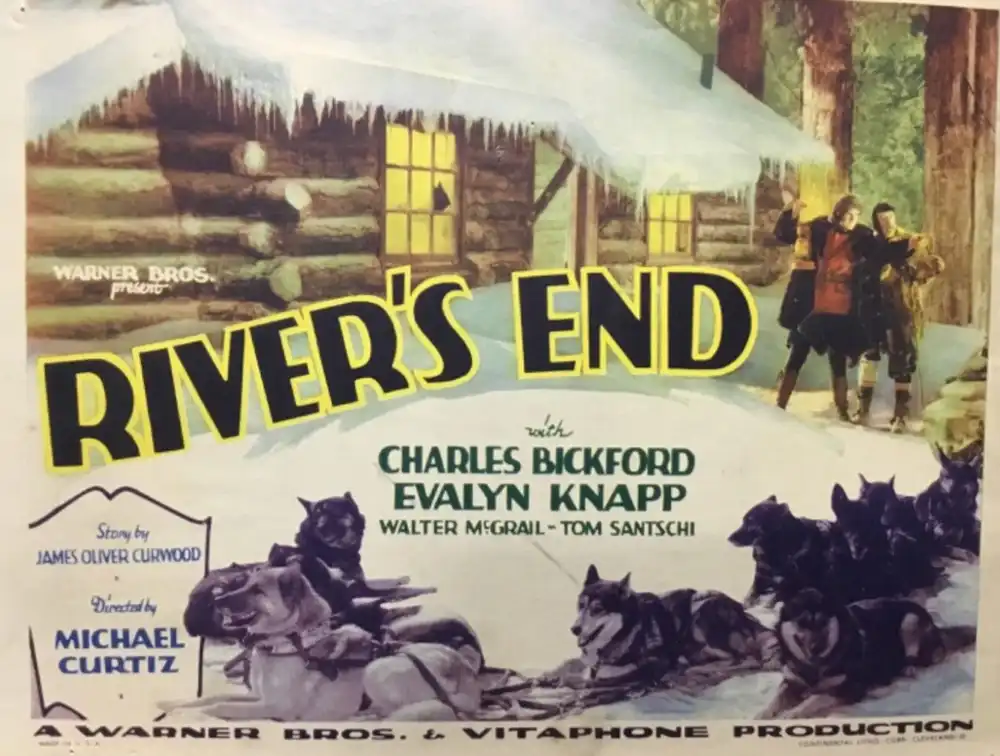
Director's Spotlight: United States
A Deep Dive into the 1930 Vision of Michael Curtiz
In the grand tapestry of Western cinema, River's End serves as a bridge between the philosophical inquiries that Michael Curtiz embeds within the narrative. Melding the raw energy of United States with a global Western appeal, it invites us to question our own perceptions of Western narratives.
In River's End, Michael Curtiz pushes the boundaries of conventional narrative. The film's unique approach to its subject matter has sparked endless debates and interpretations among cinephiles and critics alike.
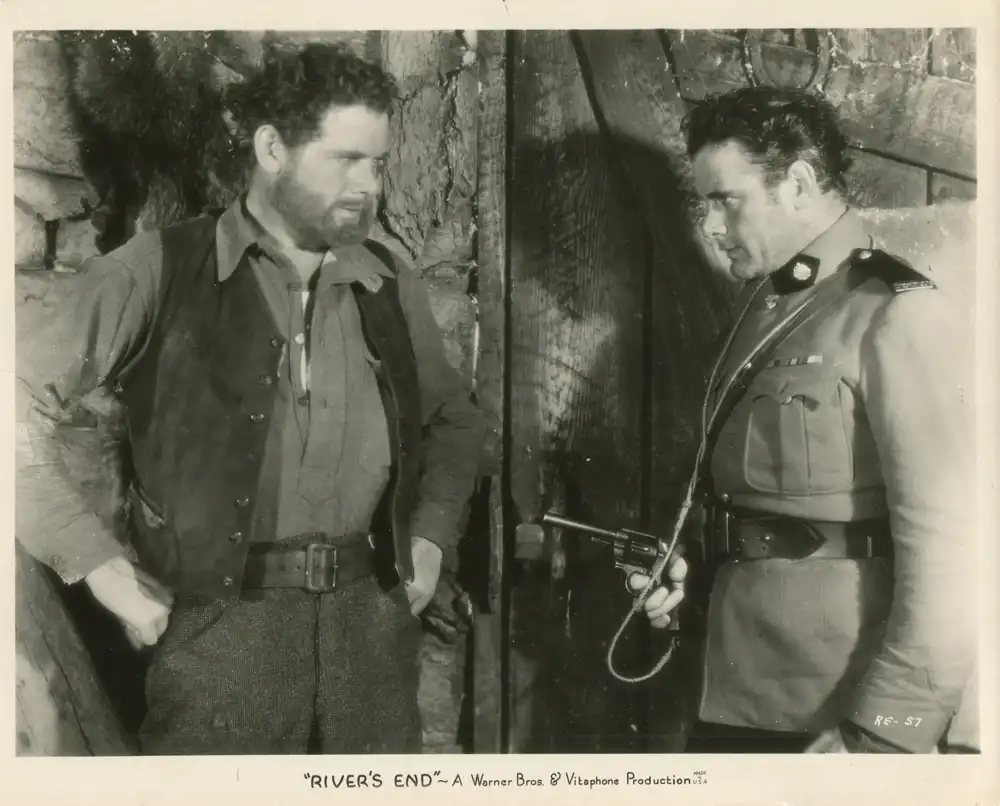
The visual language of River's End is defined by its use of shadows and framing, a hallmark of Michael Curtiz's style. By utilizing a 1930-era palette, the film creates an immersive experience that perfectly complements its Western themes.
| Cinematography | Noir-Inspired |
| Soundtrack | Synth-Heavy |
| Editing | Rhythmic |
| Art Direction | Naturalist |
Visualizing the convergence of Michael Curtiz's style and the core Western narrative.
Sgt. Conniston and his alcoholic guide O'Toole are on the trail of an escaped murderer named Keith. When they catch up with him in the farthest reaches of Northern Canada, Keith turns out to be a dead ringer for Conniston. On the way back, the sled overturns, Keith grabs the gun and leaves them to die in the snow. After second thoughts he comes back and brings them to safety at an RCMP emergency cabin. Conniston dies of a frozen lung. O'Toole becomes convinced of Keith's innocence and refuses to take him in. Instead he helps Keith disguise himself as Conniston to escape. Before he can do so, he is spotted by Mounties looking for Conniston and brought back to Conniston's fort. During the time Conniston was gone, it was discovered that Keith was innocent of the charges. Still Keith can't reveal his true identity for fear the Mounties will think he killed Conniston. Keith plans to keep up the charade only long enough to escape but Miriam, who Conniston had unsuccessfully pursued, is intrigued by the 'changed' Conniston and falls for him and he for her.
Decades after its release, River's End remains a vital piece of the cinematic puzzle. Its influence can be seen in countless modern works, solidifying Michael Curtiz's status as a master of the craft in United States and beyond.