
DbcultAccessing Vault...
Director's Spotlight
Senior Film Conservator
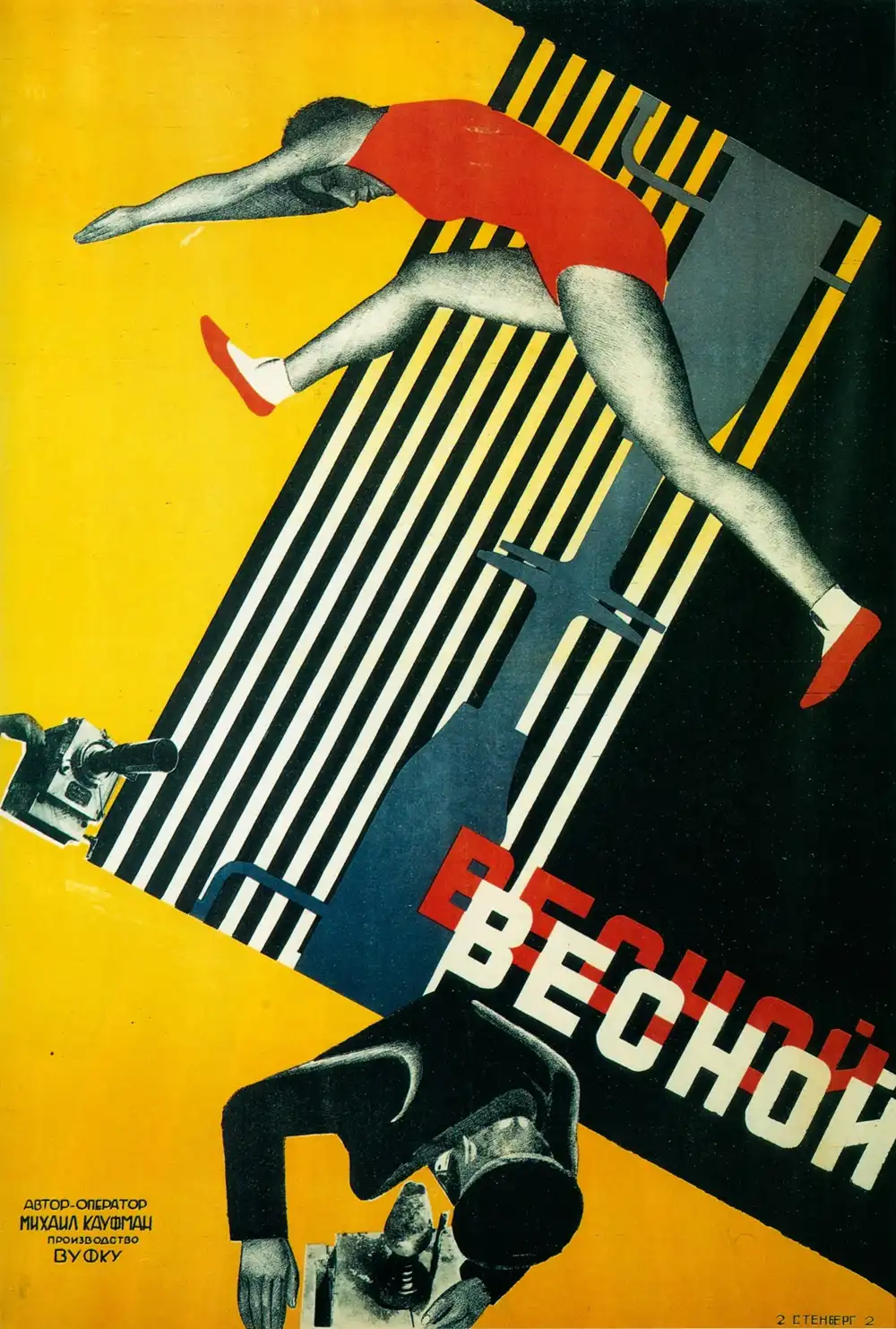
Director's Spotlight: Soviet Union
A Deep Dive into the 1929 Vision of Mikhail Kaufman
In the grand tapestry of Documentary cinema, In Spring serves as a bridge between the philosophical inquiries that Mikhail Kaufman embeds within the narrative. Melding the raw energy of Soviet Union with a global Documentary appeal, it invites us to question our own perceptions of Documentary narratives.
In In Spring, Mikhail Kaufman pushes the boundaries of conventional narrative. The film's unique approach to its subject matter has sparked endless debates and interpretations among cinephiles and critics alike.
The visual language of In Spring is defined by its use of shadows and framing, a hallmark of Mikhail Kaufman's style. By utilizing a 1929-era palette, the film creates an immersive experience that perfectly complements its Documentary themes.
| Cinematography | Deep Focus |
| Soundtrack | Synth-Heavy |
| Editing | Rhythmic |
| Art Direction | Naturalist |
Visualizing the convergence of Mikhail Kaufman's style and the core Documentary narrative.
In Spring is a masterpiece of Ukrainian cinema avant-garde, a non-fiction film made by Mikhail Kaufman, Dziga Vertov's brother and co-author, along the lines of the avant-gardist theory of «cine-eye». The film shows Kyiv in 1929, almost unknown today. Pictures of wakening city, its resurging life resonate with lyrical views of reviving nature. Kaufman's attentive camera dwells deliberately on smiling faces of children, lyrically depicting a declaration of love to Kyiv. In In Spring, Kaufman used the method of «hidden camera» for the first time.
Decades after its release, In Spring remains a vital piece of the cinematic puzzle. Its influence can be seen in countless modern works, solidifying Mikhail Kaufman's status as a master of the craft in Soviet Union and beyond.