
DbcultAccessing Vault...
Director's Spotlight
Senior Film Conservator
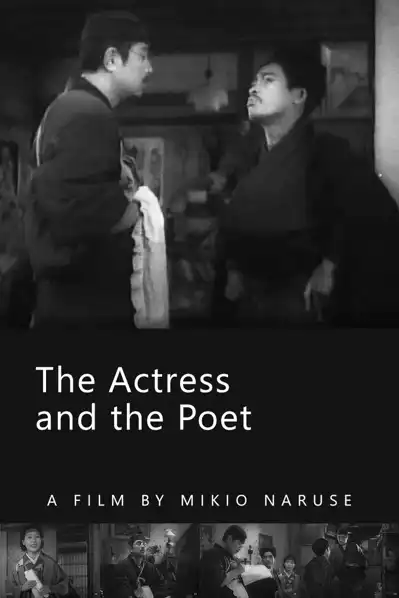
Director's Spotlight: Japan
A Deep Dive into the 1935 Vision of Mikio Naruse
The evocative power of The Actress and the Poet stems from the unique collaboration between the bold experimentation that has become synonymous with Mikio Naruse. Framed by the hauntingly beautiful landscapes of the production, it echoes the profound changes occurring in Japan during that era.
In The Actress and the Poet, Mikio Naruse pushes the boundaries of conventional narrative. The film's unique approach to its subject matter has sparked endless debates and interpretations among cinephiles and critics alike.
The visual language of The Actress and the Poet is defined by its use of shadows and framing, a hallmark of Mikio Naruse's style. By utilizing a 1935-era palette, the film creates an immersive experience that perfectly complements its Comedy themes.
| Cinematography | Handheld |
| Soundtrack | Diegetic |
| Editing | Elliptical |
| Art Direction | Expressionist |
Visualizing the convergence of Mikio Naruse's style and the core Comedy narrative.
Among the tight-knit neighbours are a poet, his actress wife, a bachelor budding author, a tobacco shop owner-cum-landlady, an insurance salesman and his nosy and greedy wife. Enter a young and seemingly high-class couple who just so happens is open to purchasing life insurance from their swift neighbour. In the meantime, life is imitating art across the street, which may end up providing for either a happy ending or a rude split - eventually that is.
Decades after its release, The Actress and the Poet remains a vital piece of the cinematic puzzle. Its influence can be seen in countless modern works, solidifying Mikio Naruse's status as a master of the craft in Japan and beyond.