
DbcultAccessing Vault...
Director's Spotlight
Senior Film Conservator
Director's Spotlight: United States
A Deep Dive into the 1922 Vision of Milburn Morante
Analyzing Diamond Carlisle (1922) requires a deep dive into the unique directorial voice that Milburn Morante brought to the screen. By challenging the status quo of 1922 cinema, it continues to spark endless debates among critics and cinephiles alike.
In Diamond Carlisle, Milburn Morante pushes the boundaries of conventional narrative. The film's unique approach to its subject matter has sparked endless debates and interpretations among cinephiles and critics alike.
| Cinematography | Static |
| Soundtrack | Orchestral |
| Editing | Invisible |
| Art Direction | Kitsch |
Visualizing the convergence of Milburn Morante's style and the core Drama narrative.
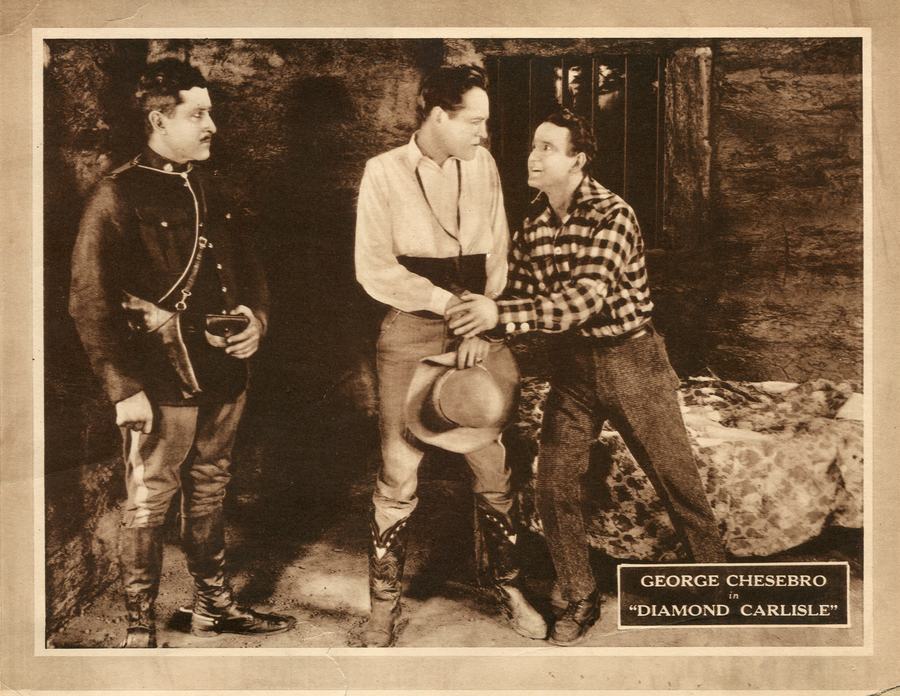
Daring bandit Diamond Carlisle and Lopez, a murderer, cleverly escape from a posse and cross the border into Canada. Abandoned by Lopez, Carlisle is hired by gambler and saloon-keeper Black Meyer to use his skill with cards to bankrupt Dick Boyd, who owns valuable timberland. Carlisle proceeds successfully until he falls in love with Dick's sister, Mae. He then has a change of heart and returns his winnings to Dick. Lopez reappears, fights with Carlisle, and is killed. Carlisle exchanges clothes with him, thus satisfying the Northwest Mounted Police, when they find the body, and leaving Carlisle free to marry Mae.
Decades after its release, Diamond Carlisle remains a vital piece of the cinematic puzzle. Its influence can be seen in countless modern works, solidifying Milburn Morante's status as a master of the craft in United States and beyond.