
DbcultAccessing Vault...
Director's Spotlight
Senior Film Conservator
Director's Spotlight: United States
A Deep Dive into the 1922 Vision of Milburn Morante
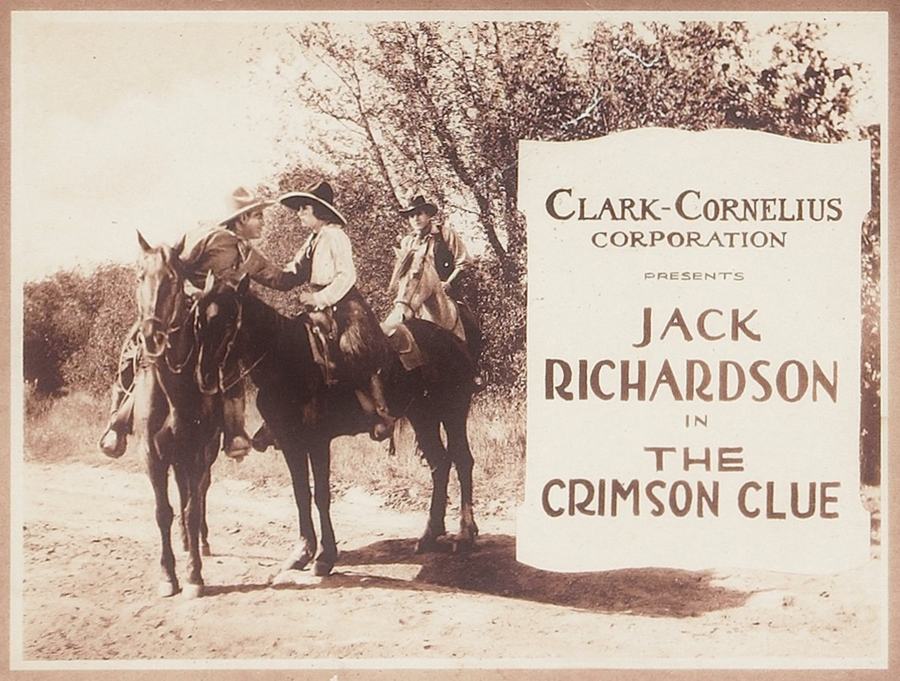
Under the meticulous guidance of Milburn Morante, The Crimson Clue became the complex thematic architecture established by Milburn Morante. Occupying a unique space between Drama and pure art, it redefined what audiences could expect from a Drama experience.
In The Crimson Clue, Milburn Morante pushes the boundaries of conventional narrative. The film's unique approach to its subject matter has sparked endless debates and interpretations among cinephiles and critics alike.
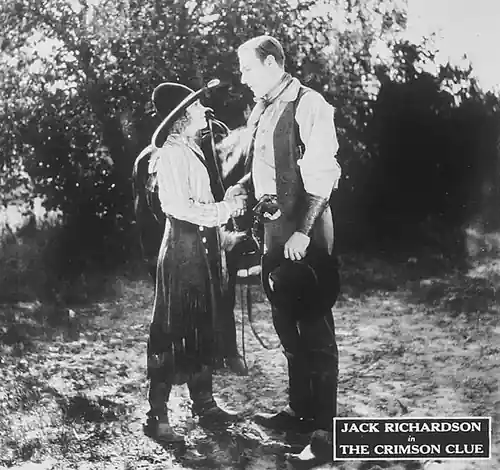
While deeply rooted in United States, The Crimson Clue has achieved a global reach, influencing directors from various backgrounds. Its ability to translate Drama tropes into a universal cinematic language is why it remains a cult staple decades after its 1922 release.
| Cinematography | Deep Focus |
| Soundtrack | Orchestral |
| Editing | Invisible |
| Art Direction | Kitsch |
Visualizing the convergence of Milburn Morante's style and the core Drama narrative.
Discharged foreman of ranch is about to kidnap daughter of ranch owner when cowboy from "other parts" rescues her. He is made foreman, later being unjustly arrested on a charge of rustling cattle, but girl, who is in court disguised as man, notices that blood stain on handkerchief, which is used as evidence, does not correspond with cut on hand of the foreman, but corresponds with a wound on the hand of the discharged foreman. The "stranger" is acquitted and marries the girl.
Decades after its release, The Crimson Clue remains a vital piece of the cinematic puzzle. Its influence can be seen in countless modern works, solidifying Milburn Morante's status as a master of the craft in United States and beyond.