
DbcultAccessing Vault...
Director's Spotlight
Senior Film Conservator
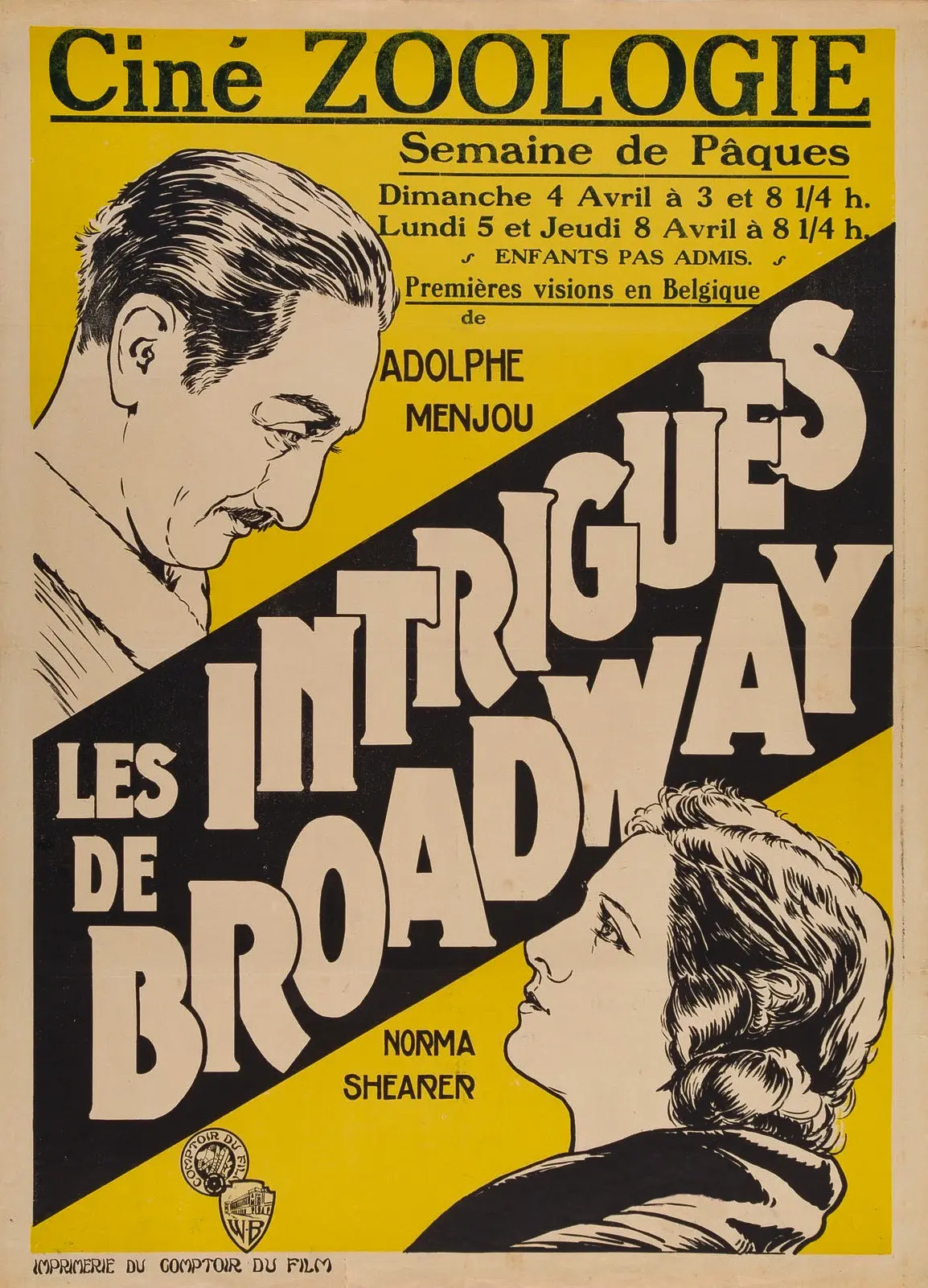
Director's Spotlight: United States
A Deep Dive into the 1924 Vision of Monta Bell
When we examine the cinematic landscape of United States, Broadway After Dark emerges as a landmark work of the enduring legacy of Monta Bell's artistic contribution to the genre. Through a lens of existential fatalism and Comedy tropes, it captures a specific kind of cinematic magic that is rarely replicated.
In Broadway After Dark, Monta Bell pushes the boundaries of conventional narrative. The film's unique approach to its subject matter has sparked endless debates and interpretations among cinephiles and critics alike.
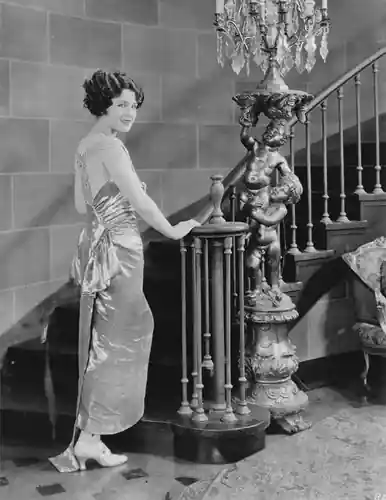
While deeply rooted in United States, Broadway After Dark has achieved a global reach, influencing directors from various backgrounds. Its ability to translate Comedy tropes into a universal cinematic language is why it remains a cult staple decades after its 1924 release.
| Cinematography | Handheld |
| Soundtrack | Experimental |
| Editing | Elliptical |
| Art Direction | Expressionist |
Visualizing the convergence of Monta Bell's style and the core Comedy narrative.
A brash young man-about-town is attracted to a Broadway actress, but her flirtatious ways turn him off and make him want to change his life. He takes a room in a quite boarding-house that caters to theatrical people. He soon meets Rose, a working girl who has just been fired because of a previous jail sentence, and decides to help her.
Decades after its release, Broadway After Dark remains a vital piece of the cinematic puzzle. Its influence can be seen in countless modern works, solidifying Monta Bell's status as a master of the craft in United States and beyond.