
DbcultAccessing Vault...
Director's Spotlight
Senior Film Conservator
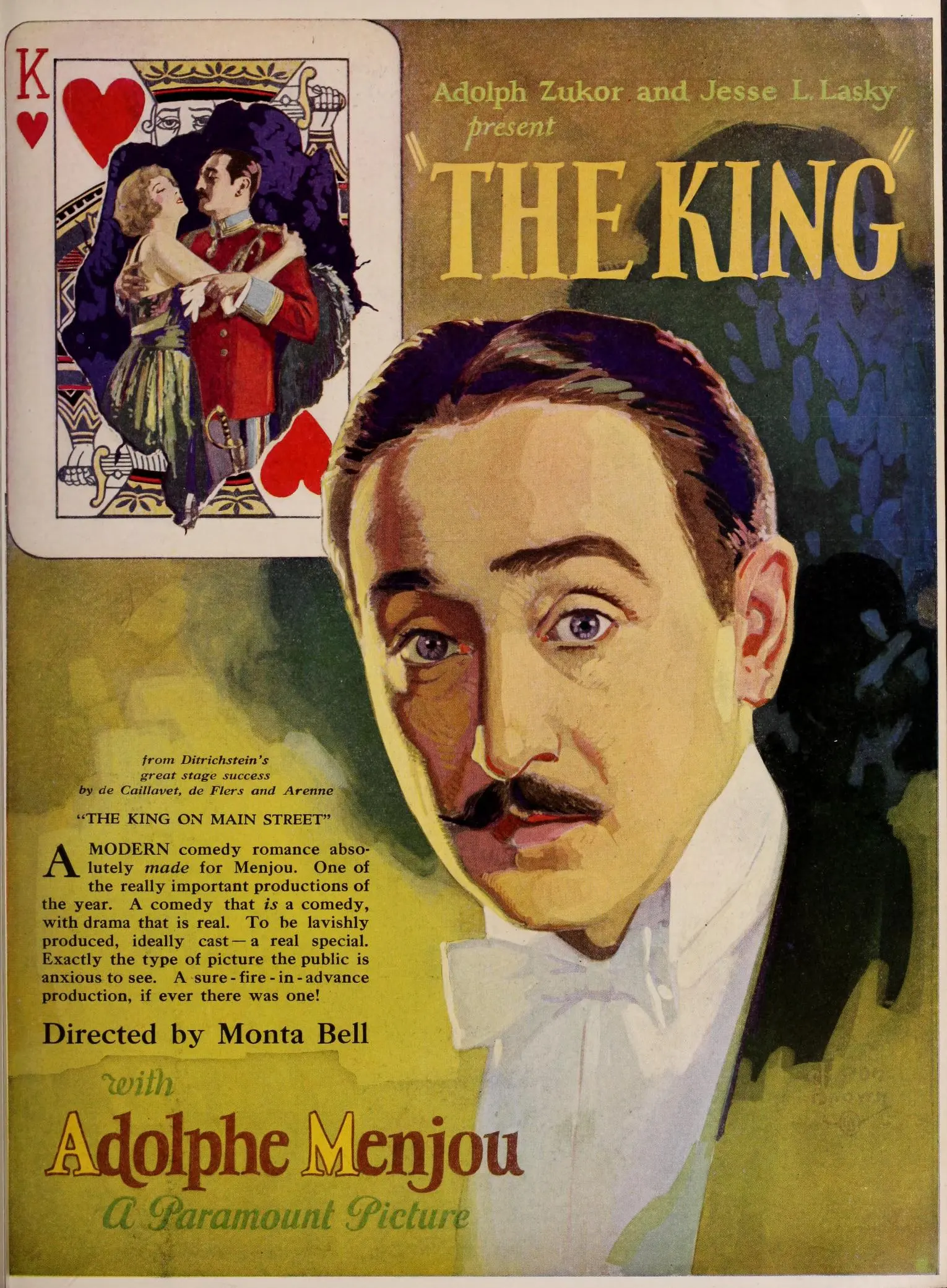
Director's Spotlight: United States
A Deep Dive into the 1925 Vision of Monta Bell
The enduring fascination with The King on Main Street is a testament to the artistic risks taken by Monta Bell that eventually paid off. Challenging the viewer to find meaning in the Comedy shadows, it reminds us of the fragility and beauty of the 1925s.
In The King on Main Street, Monta Bell pushes the boundaries of conventional narrative. The film's unique approach to its subject matter has sparked endless debates and interpretations among cinephiles and critics alike.
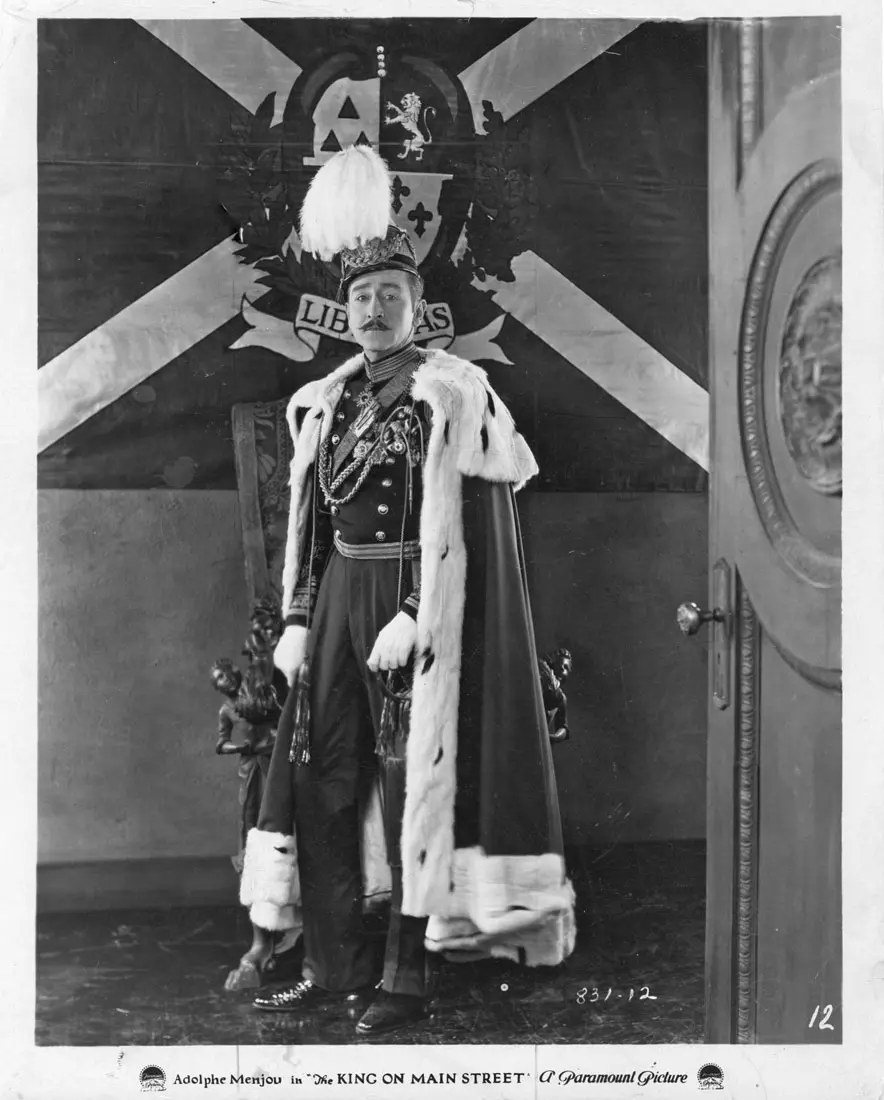
The visual language of The King on Main Street is defined by its use of shadows and framing, a hallmark of Monta Bell's style. By utilizing a 1925-era palette, the film creates an immersive experience that perfectly complements its Comedy themes.
| Cinematography | Static |
| Soundtrack | Experimental |
| Editing | Elliptical |
| Art Direction | Expressionist |
Visualizing the convergence of Monta Bell's style and the core Comedy narrative.
King Serge IV of Molvania (Menjou) comes to Manhattan to conduct business with Arthur Trent (Kilgour), but instead goes to Coney Island, where he meets Gladys Humphreys (Love) and John Rockland (Shaw). John, not knowing the king's royal identity, invites him to his home at Little Falls, New Jersey. The king falls in love with Gladys, but Trent catches them in a compromising situation, and blackmails the king into completing their business deal. The king leaves the United States and Gladys forever.
Decades after its release, The King on Main Street remains a vital piece of the cinematic puzzle. Its influence can be seen in countless modern works, solidifying Monta Bell's status as a master of the craft in United States and beyond.