
DbcultAccessing Vault...
Director's Spotlight
Senior Film Conservator
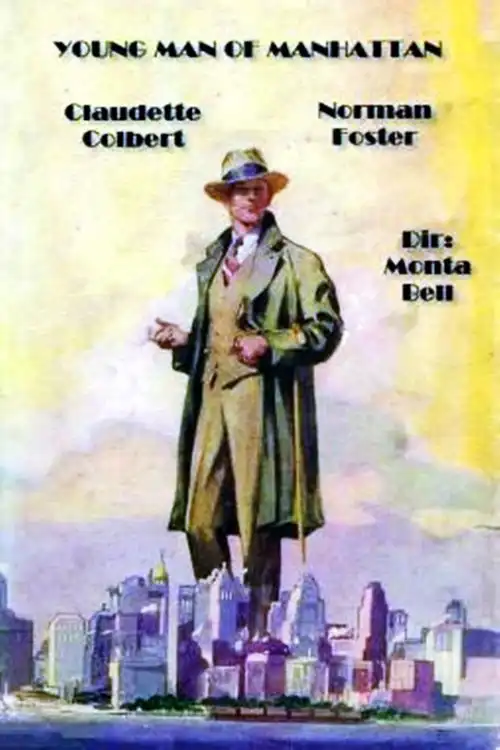
Director's Spotlight: United States
A Deep Dive into the 1930 Vision of Monta Bell
In the storied career of Monta Bell, Young Man of Manhattan stands as a the provocative questions that Monta Bell poses to the United States audience. Elevating the source material through Monta Bell's unique vision, it persists as a haunting reminder of our own cinematic history.
In Young Man of Manhattan, Monta Bell pushes the boundaries of conventional narrative. The film's unique approach to its subject matter has sparked endless debates and interpretations among cinephiles and critics alike.
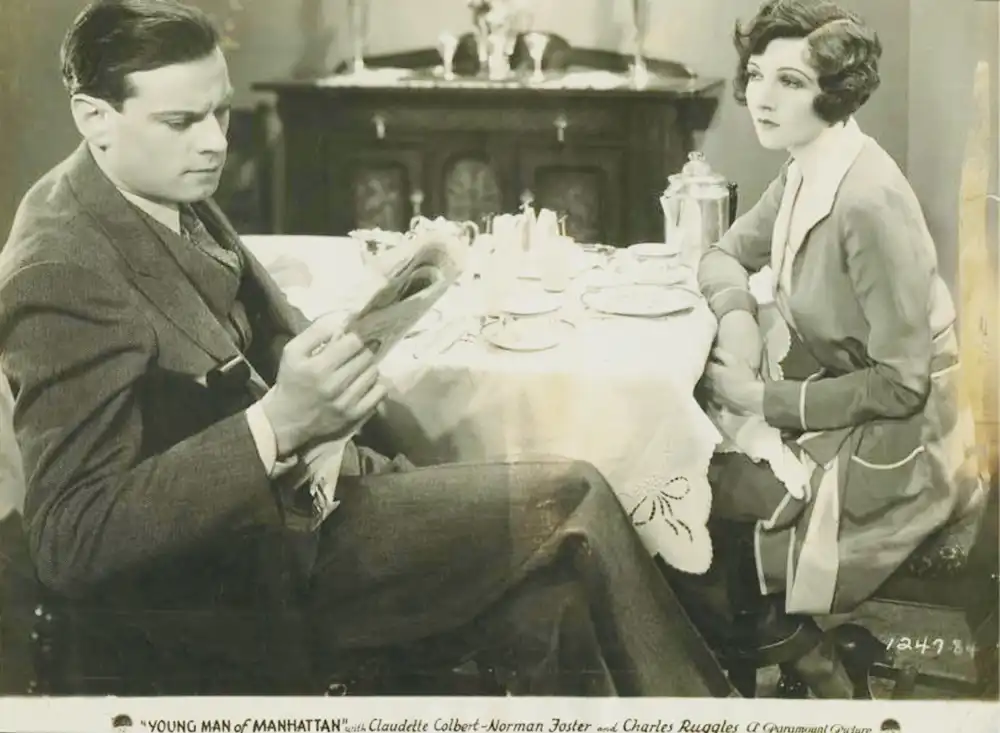
The visual language of Young Man of Manhattan is defined by its use of shadows and framing, a hallmark of Monta Bell's style. By utilizing a 1930-era palette, the film creates an immersive experience that perfectly complements its Romance themes.
| Cinematography | Noir-Inspired |
| Soundtrack | Synth-Heavy |
| Editing | Rhythmic |
| Art Direction | Naturalist |
Visualizing the convergence of Monta Bell's style and the core Romance narrative.
Toby McLean, a reckless sports writer on a New York City newspaper, covers the Gene Tunney-Jack Dempsey heavyweight-championship fight in Philadelphia. There he meets Ann Vaughn, a feature writer for another newspaper, and they get married after a whirlwind romance. The romance begins to wane nearly as fast as it blossomed but, directly and indirectly, is salvaged by Toby's writer pal, "Shorty" Ross, and a ditsy socialite, "Puff" Randolph. Artchive footage provides shots of the Tunney-Dempsey fight, and other sports events of the era.
Decades after its release, Young Man of Manhattan remains a vital piece of the cinematic puzzle. Its influence can be seen in countless modern works, solidifying Monta Bell's status as a master of the craft in United States and beyond.