
DbcultAccessing Vault...
Director's Spotlight
Senior Film Conservator
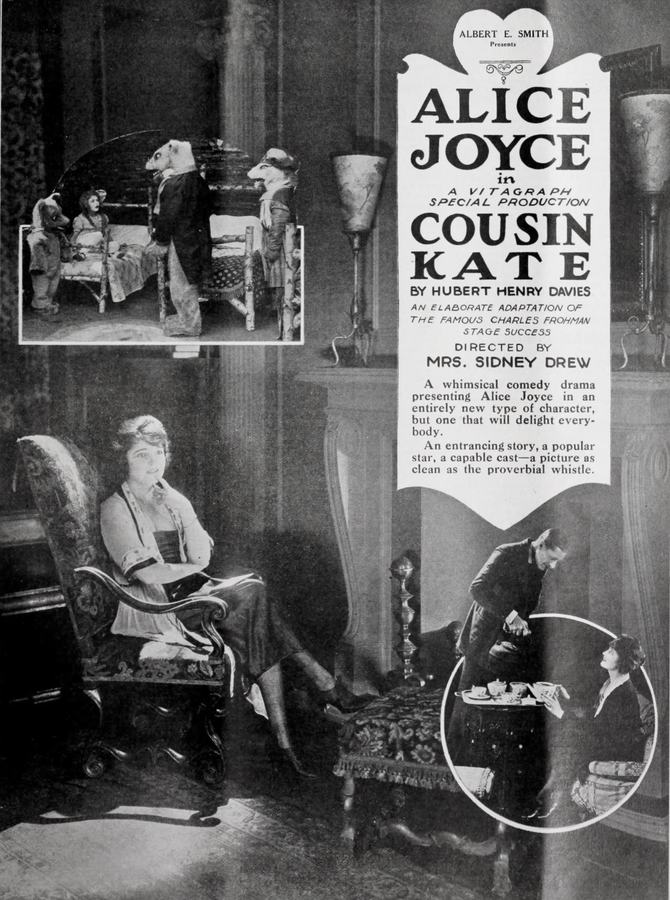
Director's Spotlight: United States
A Deep Dive into the 1921 Vision of Mrs. Sidney Drew
To understand the modern evolution of United States film, one must first look at Cousin Kate and the meticulous attention to detail that Mrs. Sidney Drew applied to every frame. Reflecting the political and social shifts of the 1921s, it showcases the power of Romance as a tool for social commentary.
In Cousin Kate, Mrs. Sidney Drew pushes the boundaries of conventional narrative. The film's unique approach to its subject matter has sparked endless debates and interpretations among cinephiles and critics alike.
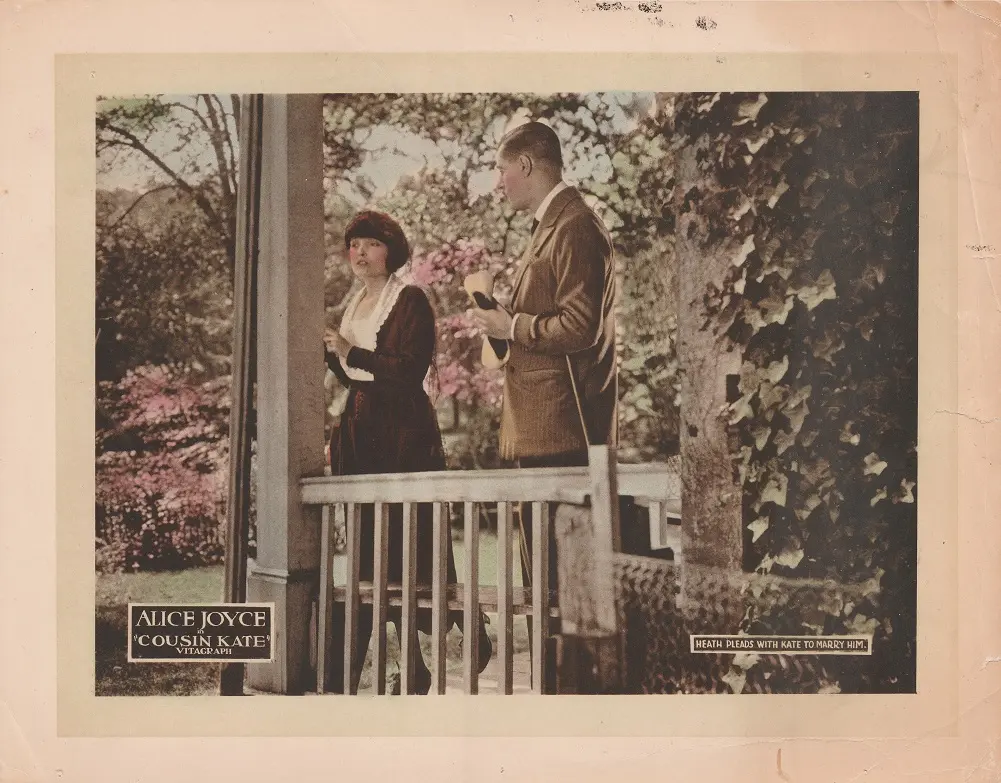
While deeply rooted in United States, Cousin Kate has achieved a global reach, influencing directors from various backgrounds. Its ability to translate Romance tropes into a universal cinematic language is why it remains a cult staple decades after its 1921 release.
| Cinematography | Handheld |
| Soundtrack | Diegetic |
| Editing | Elliptical |
| Art Direction | Expressionist |
Visualizing the convergence of Mrs. Sidney Drew's style and the core Romance narrative.
Amy Spencer is engaged to artist Heath Desmond, a nature-worshipper who shuns organized religion. James Bartlett, a minister in love with Amy, influences her against Heath, and they break up. Cousin Kate Curtis, a novelist whose views on love are considered by her relatives to be unconventional, is called in to smooth matters over. She meets Heath on the train, and the two, not knowing each other's identity, apparently fall in love. Kate takes refuge in Heath's house in a storm; Amy arrives; and Kate, to Heath's dismay, confesses that she was only indulging in a flirtation. Bartlett arrives and successfully proposes to Amy, and Heath and Kate are reunited.
Decades after its release, Cousin Kate remains a vital piece of the cinematic puzzle. Its influence can be seen in countless modern works, solidifying Mrs. Sidney Drew's status as a master of the craft in United States and beyond.