
DbcultAccessing Vault...
Director's Spotlight
Senior Film Conservator
Director's Spotlight: the world
A Deep Dive into the 1929 Vision of Mykola Shpykovskyi
The enduring fascination with The Self-Seeker is a testament to the defining moment in Comedy history that Mykola Shpykovskyi helped create. This film stands as a masterclass in visual storytelling, it has cemented its place in the global cult cinema archive.
In The Self-Seeker, Mykola Shpykovskyi pushes the boundaries of conventional narrative. The film's unique approach to its subject matter has sparked endless debates and interpretations among cinephiles and critics alike.
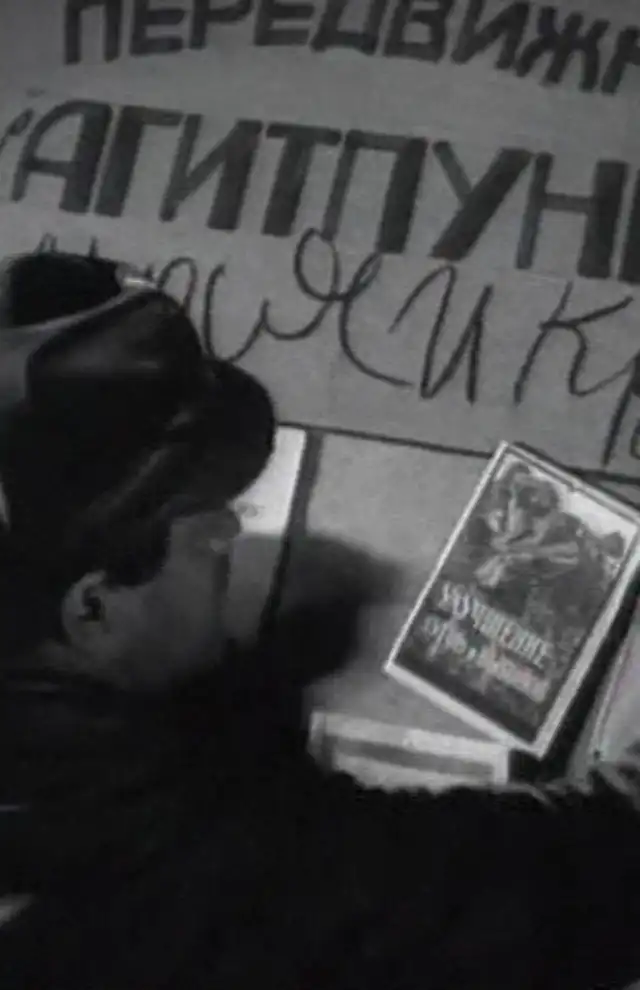
The visual language of The Self-Seeker is defined by its use of shadows and framing, a hallmark of Mykola Shpykovskyi's style. By utilizing a 1929-era palette, the film creates an immersive experience that perfectly complements its Comedy themes.
| Cinematography | High-Contrast |
| Soundtrack | Experimental |
| Editing | Elliptical |
| Art Direction | Expressionist |
Visualizing the convergence of Mykola Shpykovskyi's style and the core Comedy narrative.
An opportunistic Kyivan Apollon Shmyguyev, whose peaceful bourgeois life is interrupted by the civil war, decides to wait out the trouble in the South of Ukraine, which is under the rule of the Russian White Army. After gathering left off goods on Andriyivskyi descent in Kyiv, he goes on a journey with a camel, which somehow had strayed to his house. In the midway he is stopped by the Red Army: the camel gets confiscated for the needs of revolution, and Apollon appears in the disposal of the Bolshevik commissar. Zealous and cunning, Apollon quickly takes lead of the local commissariat. But the ingrained thirst for a profit once again puts his life in danger.
Decades after its release, The Self-Seeker remains a vital piece of the cinematic puzzle. Its influence can be seen in countless modern works, solidifying Mykola Shpykovskyi's status as a master of the craft in the world and beyond.