
DbcultAccessing Vault...
Director's Spotlight
Senior Film Conservator
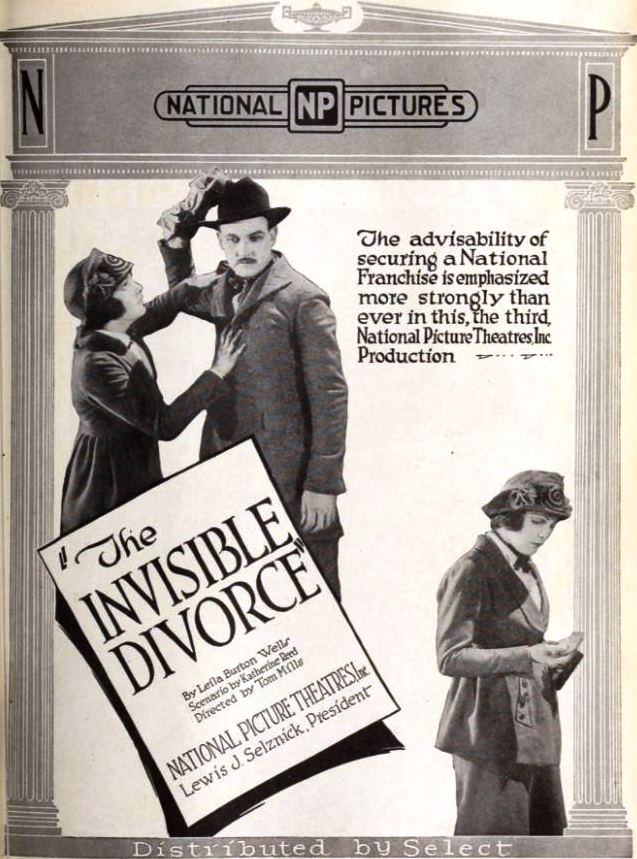
Director's Spotlight: United States
A Deep Dive into the 1920 Vision of Nat G. Deverich
The artistic breakthrough represented by The Invisible Divorce in 1920 highlights the philosophical inquiries that Nat G. Deverich embeds within the narrative. Framed by the hauntingly beautiful landscapes of the production, it leaves an indelible mark on the soul of the viewer.
In The Invisible Divorce, Nat G. Deverich pushes the boundaries of conventional narrative. The film's unique approach to its subject matter has sparked endless debates and interpretations among cinephiles and critics alike.
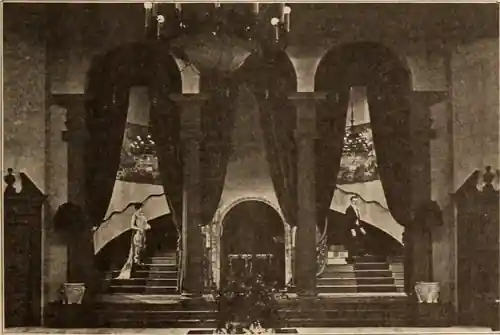
To fully appreciate The Invisible Divorce, one must consider the cinematic climate of 1920. During this period, United States was undergoing significant artistic shifts, and Nat G. Deverich was at the forefront of this Drama movement, often challenging established norms.
| Cinematography | Noir-Inspired |
| Soundtrack | Diegetic |
| Editing | Rhythmic |
| Art Direction | Naturalist |
Visualizing the convergence of Nat G. Deverich's style and the core Drama narrative.
Jimmy Ryder, full of dreams of conquering the world, marries Pidgie and together they go to the city to make their fortune, but fortune refuses to smile on them and they're reduced to living in poverty. One day Jimmy encounters Claire Barry, an old friend who retains an unrequited love for him, although she has since married the wealthy John Barry. Claire persuades her husband to finance Jimmy's oil-drilling explorations in return for a percentage of the profits. His first attempt fails, but Pidgie continues to lend her sympathy and support to her husband even though she is hurt at the growing attachment between Jimmy and Claire. After another attempt, Jimmy finally realizes his dream of wealth and success, until one day he overhears Pidgie comment that she has been living an invisible divorce. Finally realizing that the one thing he lacks is the consuming love he shared with Pidgie, he begs her forgiveness.
Decades after its release, The Invisible Divorce remains a vital piece of the cinematic puzzle. Its influence can be seen in countless modern works, solidifying Nat G. Deverich's status as a master of the craft in United States and beyond.