
DbcultAccessing Vault...
Director's Spotlight
Senior Film Conservator
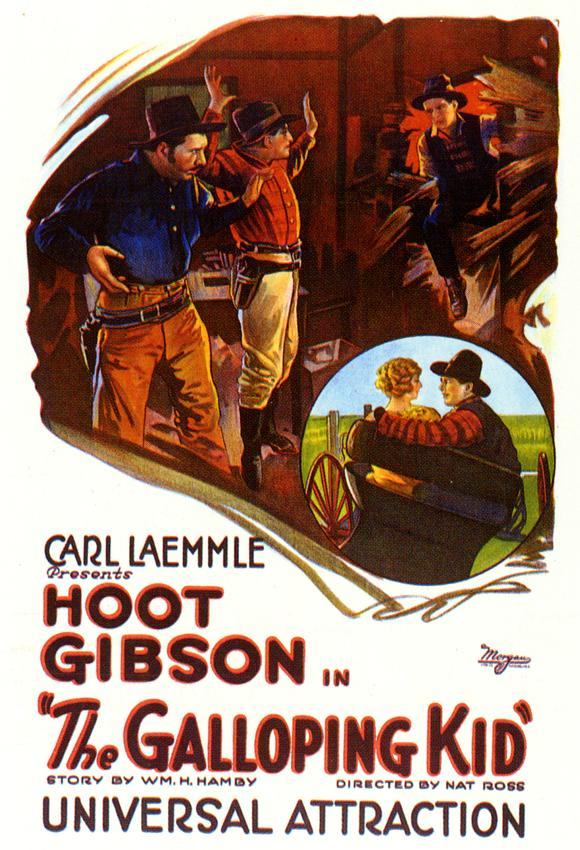
Director's Spotlight: United States
A Deep Dive into the 1922 Vision of Nat Ross
The brilliance of The Galloping Kid (1922) is inseparable from a monumental shift in Western filmmaking spearheaded by Nat Ross. Occupying a unique space between Western and pure art, it serves as a blueprint for future generations of Western directors.
In The Galloping Kid, Nat Ross pushes the boundaries of conventional narrative. The film's unique approach to its subject matter has sparked endless debates and interpretations among cinephiles and critics alike.
The visual language of The Galloping Kid is defined by its use of shadows and framing, a hallmark of Nat Ross's style. By utilizing a 1922-era palette, the film creates an immersive experience that perfectly complements its Western themes.
| Cinematography | Noir-Inspired |
| Soundtrack | Synth-Heavy |
| Editing | Disjunctive |
| Art Direction | Baroque |
Visualizing the convergence of Nat Ross's style and the core Western narrative.
Cowboy Simplex Cox, now a drifter and odd-job seeker, lands the assignment of chaperoning the pretty daughter of cattleman "Five-Notch" Arnett. Laura Arnett has a weakness of falling in love with every man she meets---Simplex Cox the exception---and it is Simp's job to keep her from meeting any. However, too late, as she has succumbed to the polished, oily charms of Hubert Bolston, who has dastardly designs upon Arnett's land and intends getting them by marrying the daughter. Simplex sees through Oil-Can's plans, sets out to expose them and this raises Laura's already-high level for contempt for Simplex even higher. Meanwhile, Bolston has discovered a platinum vein running through the Arnett land and doubles his already-frantic efforts to get the land.
Decades after its release, The Galloping Kid remains a vital piece of the cinematic puzzle. Its influence can be seen in countless modern works, solidifying Nat Ross's status as a master of the craft in United States and beyond.