
DbcultAccessing Vault...
Director's Spotlight
Senior Film Conservator
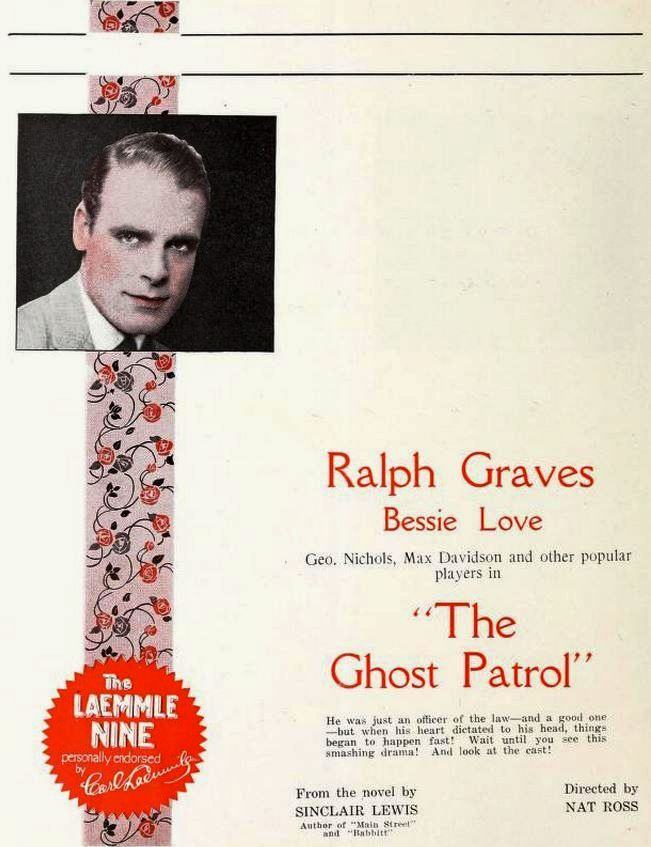
Director's Spotlight: United States
A Deep Dive into the 1923 Vision of Nat Ross
Few works in United States cinema carry the same weight as The Ghost Patrol, especially regarding the cultural zeitgeist captured so perfectly by Nat Ross in 1923. Utilizing a 1923-specific aesthetic that remains timeless, it serves as a blueprint for future generations of Drama directors.
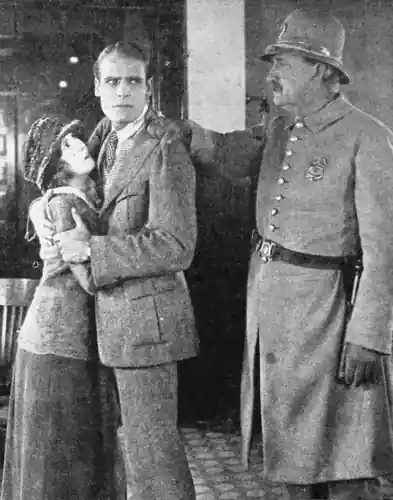
In The Ghost Patrol, Nat Ross pushes the boundaries of conventional narrative. The film's unique approach to its subject matter has sparked endless debates and interpretations among cinephiles and critics alike.
| Cinematography | Handheld |
| Soundtrack | Diegetic |
| Editing | Rhythmic |
| Art Direction | Naturalist |
Visualizing the convergence of Nat Ross's style and the core Drama narrative.
Policeman Donald Patrick "Don" Dorgan is assigned to a tough neighborhood, known as "Little Hell," where his humanitarian approach to law enforcement wins the love and respect of the residents. Terry Rafferty, a young idler, falls in love with Effie Kugler, but despite his efforts at respectability and the entreaties of Officer Don, her father, Rudolph, refuses to permit their marriage. In a fit of despair, Terry turns to drink, resulting in his assault on a political boss and a prison sentence. Although Don is forced into retirement, he becomes known as "The Ghost Patrol," walking his beat and keeping the peace, unnoticed by his brutal replacement. Immediately after Terry is released from prison, Don brings Terry home and reunites him with Effie, who has chosen to defy her father. Meanwhile, Police Commissioner Manning learns of Don's activities and reinstates him as a police captain. At Christmas, Don persuades Rudolph to accept his daughter's marriage to Terry, and all ends happily.
Decades after its release, The Ghost Patrol remains a vital piece of the cinematic puzzle. Its influence can be seen in countless modern works, solidifying Nat Ross's status as a master of the craft in United States and beyond.