
DbcultAccessing Vault...
Director's Spotlight
Senior Film Conservator
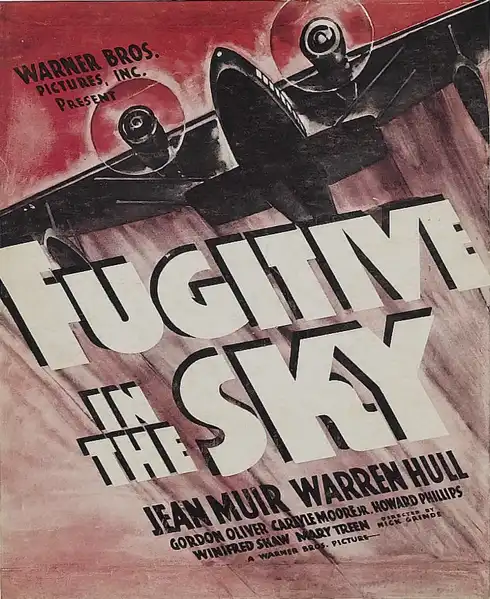
Director's Spotlight: United States
A Deep Dive into the 1936 Vision of Nick Grinde
The evocative power of Fugitive in the Sky stems from the unique collaboration between the subversive storytelling techniques employed by Nick Grinde in 1936. Synthesizing the best elements of United States and international cinema, it reminds us of the fragility and beauty of the 1936s.
In Fugitive in the Sky, Nick Grinde pushes the boundaries of conventional narrative. The film's unique approach to its subject matter has sparked endless debates and interpretations among cinephiles and critics alike.
The visual language of Fugitive in the Sky is defined by its use of shadows and framing, a hallmark of Nick Grinde's style. By utilizing a 1936-era palette, the film creates an immersive experience that perfectly complements its Mystery themes.
| Cinematography | Noir-Inspired |
| Soundtrack | Diegetic |
| Editing | Rhythmic |
| Art Direction | Naturalist |
Visualizing the convergence of Nick Grinde's style and the core Mystery narrative.
A reporter follows a G-Man onto a plane where a passenger is murdered. A fugitive in disguise hijacks the plane, demanding to go to Indiana. After failed attempts to stop him and engine troubles, everyone seeks shelter at a farmhouse.
Decades after its release, Fugitive in the Sky remains a vital piece of the cinematic puzzle. Its influence can be seen in countless modern works, solidifying Nick Grinde's status as a master of the craft in United States and beyond.