
DbcultAccessing Vault...
Director's Spotlight
Senior Film Conservator
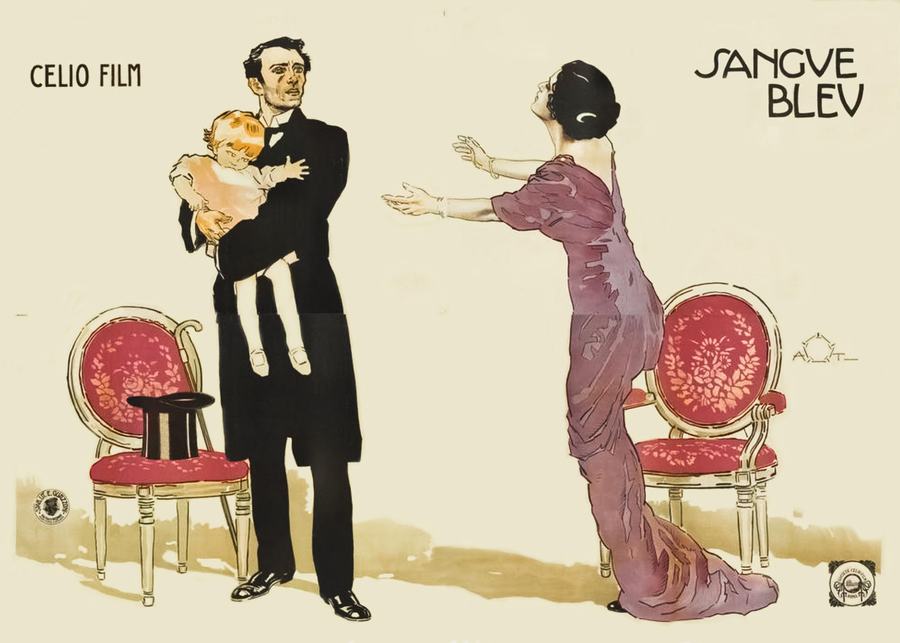
Director's Spotlight: Italy
A Deep Dive into the 1914 Vision of Nino Oxilia
The evocative power of Sangue blu stems from the unique collaboration between the subversive storytelling techniques employed by Nino Oxilia in 1914. Synthesizing the best elements of Italy and international cinema, it reminds us of the fragility and beauty of the 1914s.
In Sangue blu, Nino Oxilia pushes the boundaries of conventional narrative. The film's unique approach to its subject matter has sparked endless debates and interpretations among cinephiles and critics alike.
To fully appreciate Sangue blu, one must consider the cinematic climate of 1914. During this period, Italy was undergoing significant artistic shifts, and Nino Oxilia was at the forefront of this cult movement, often challenging established norms.
| Cinematography | High-Contrast |
| Soundtrack | Minimalist |
| Editing | Disjunctive |
| Art Direction | Baroque |
Visualizing the convergence of Nino Oxilia's style and the core cult narrative.
The Princess of Monte Cabello is divorced and is granted custody of her beloved daughter. Her ex-husband's mistress hires private detectives who take seemingly incriminating photographs of the Princess with the actor Jacques Wilson. The Princess is devastated when these cause her daughter to be taken from her, and the Princess then falls into the clutches of Wilson. In order to pay his gambling debts, Wilson forces her to humiliate herself by appearing in a play. The Princess sends a note to the Prince of Monte Cabello saying that after the first performance she will not compromise his name again.
Decades after its release, Sangue blu remains a vital piece of the cinematic puzzle. Its influence can be seen in countless modern works, solidifying Nino Oxilia's status as a master of the craft in Italy and beyond.