
DbcultAccessing Vault...
Director's Spotlight
Senior Film Conservator
Director's Spotlight: United States
A Deep Dive into the 1924 Vision of Noel M. Smith
Few works in United States cinema carry the same weight as Checking Out, especially regarding the cultural zeitgeist captured so perfectly by Noel M. Smith in 1924. Utilizing a 1924-specific aesthetic that remains timeless, it serves as a blueprint for future generations of Short directors.
In Checking Out, Noel M. Smith pushes the boundaries of conventional narrative. The film's unique approach to its subject matter has sparked endless debates and interpretations among cinephiles and critics alike.
The visual language of Checking Out is defined by its use of shadows and framing, a hallmark of Noel M. Smith's style. By utilizing a 1924-era palette, the film creates an immersive experience that perfectly complements its Short themes.
| Cinematography | Deep Focus |
| Soundtrack | Synth-Heavy |
| Editing | Disjunctive |
| Art Direction | Baroque |
Visualizing the convergence of Noel M. Smith's style and the core Short narrative.
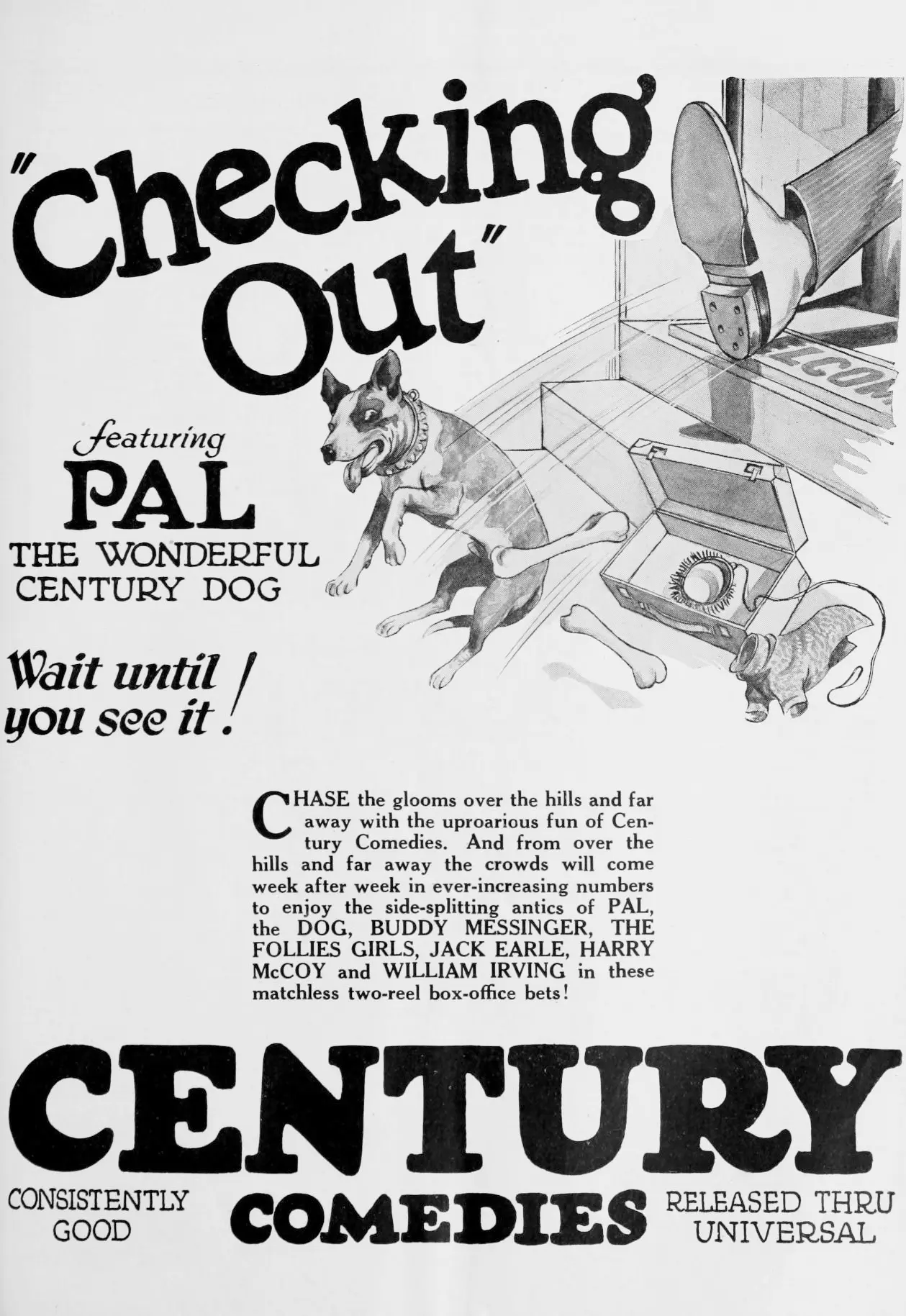
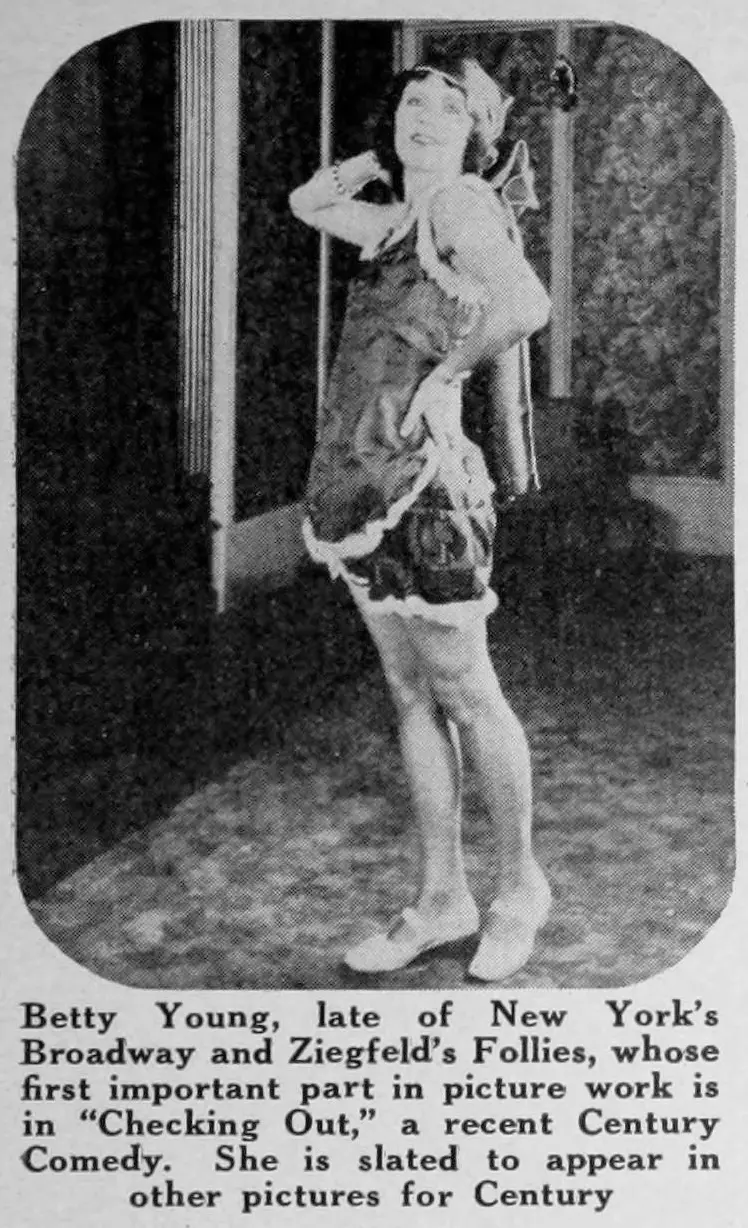
Pal, the Dog, gets top billing in the comedy short, "Checking Out." He's paired for the second time and row with Harry Sweet. Harry and Pal run a hot dog stand with both having matching costume of hat and apron. Trouble comes early in the form of a rival stand owner (Al Alt) who wants to put the hot dog stand out of business. By the time the scene finishes, both hot dog stands have been obliterated. With hot dog stand in ruins, Pal and Harry team up to work in a hotel. With Harry finding a love interest in the hotel operator, Pal comically has to perform both the bell hop and check boy's work. Rival Al Alt appears and forcibly removes Harry in a comical scene of defenestration. Fortunately, Harry gains knowledge that rival Alt is going to rob the hotel. In the film's comical high-point, Harry gets control of the crooks guns, entrusting Pal, the Wonder Dog, with both guns as the canine holds the crooks at bay. When one of the incredulous crooks tries to rush Pal, the dog fires a warning shot which keeps the crooks at bay until the police arrive. In the finale, Pal retrieves a minister so Harry and the hotel operator can be married. Comical flourish occurs as the minister asks anyone if there is an objection. With all eyes on Pal, the canine nods in approval ending the ceremony and the film. After having played the underling to Pal in a Mah-Jong film and this film, Sweet was probably pleased to move on from Century Comedies to other studios.
Decades after its release, Checking Out remains a vital piece of the cinematic puzzle. Its influence can be seen in countless modern works, solidifying Noel M. Smith's status as a master of the craft in United States and beyond.