
DbcultAccessing Vault...
Director's Spotlight
Senior Film Conservator
Director's Spotlight: United States
A Deep Dive into the 1925 Vision of Noel M. Smith
As a cultural artifact of the 1925s, Crying for Love provides the global recognition that Noel M. Smith garnered after the release of Crying for Love. Elevating the source material through Noel M. Smith's unique vision, it solidifies Noel M. Smith's reputation as a master of the craft.
In Crying for Love, Noel M. Smith pushes the boundaries of conventional narrative. The film's unique approach to its subject matter has sparked endless debates and interpretations among cinephiles and critics alike.
The visual language of Crying for Love is defined by its use of shadows and framing, a hallmark of Noel M. Smith's style. By utilizing a 1925-era palette, the film creates an immersive experience that perfectly complements its Comedy themes.
| Cinematography | Deep Focus |
| Soundtrack | Synth-Heavy |
| Editing | Rhythmic |
| Art Direction | Naturalist |
Visualizing the convergence of Noel M. Smith's style and the core Comedy narrative.
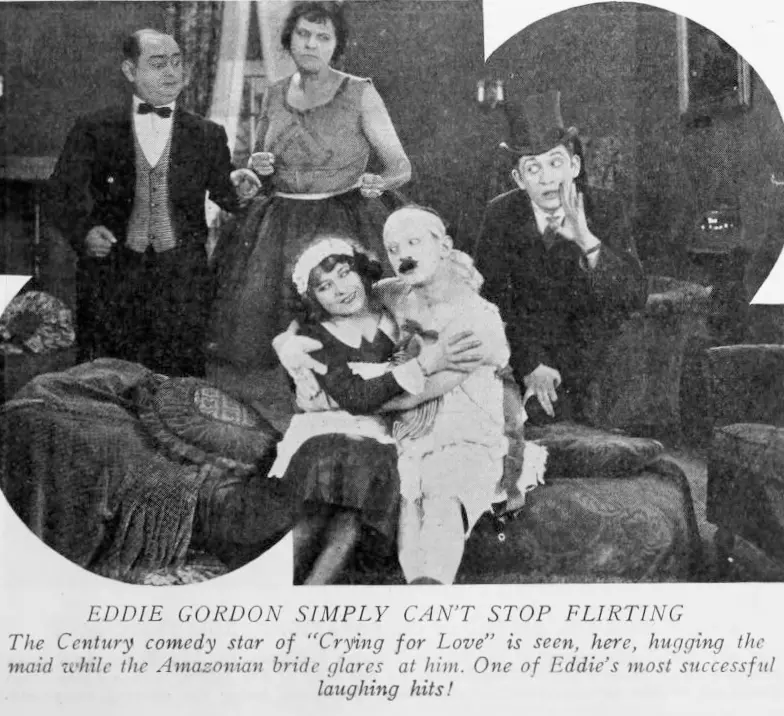
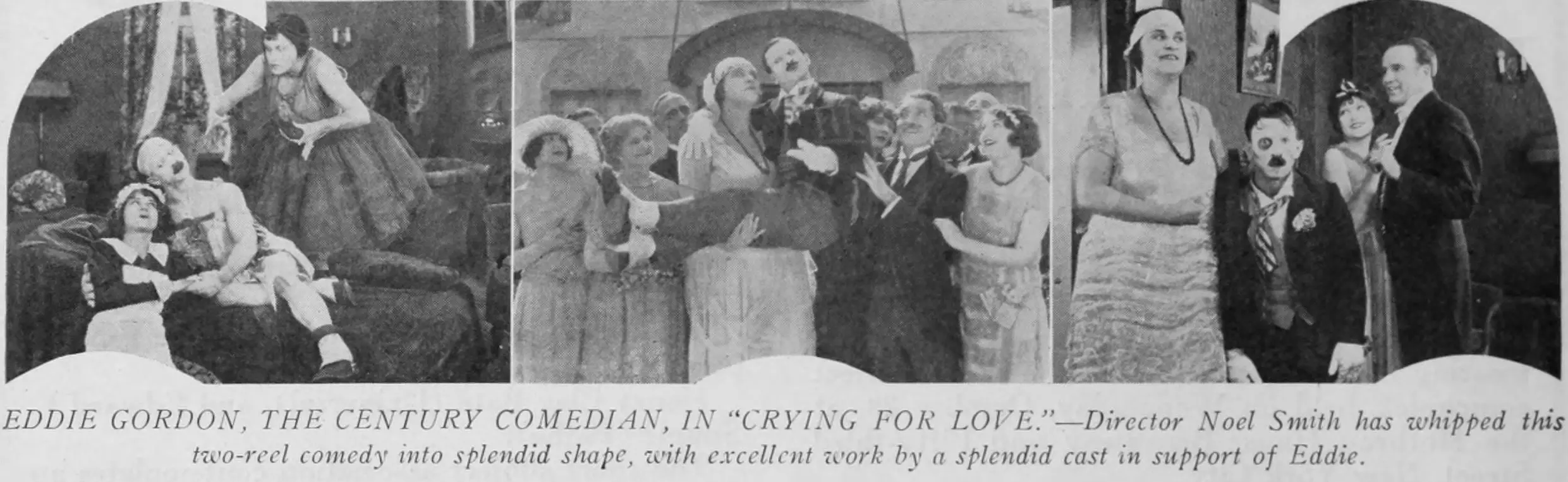
After many turn-downs, Eddie finally succeeds in winning this Amazon for his bride after she discovers her former fiance flirting with a flapper on his way to the Amazon's home for the wedding. After the bride has flattened everyone in the place for no reason at all the pair depart on their honeymoon in a flivver, from which she playfully or otherwise tosses hubby. Later at a house warming this dainty bride continues to humiliate hubby until he is tipped off to some strength-giving pills, which he swallows and then assumes command of the situation. He becomes the real boss of the household as the wife takes a three-story dive through the window.
Decades after its release, Crying for Love remains a vital piece of the cinematic puzzle. Its influence can be seen in countless modern works, solidifying Noel M. Smith's status as a master of the craft in United States and beyond.