
DbcultAccessing Vault...
Director's Spotlight
Senior Film Conservator
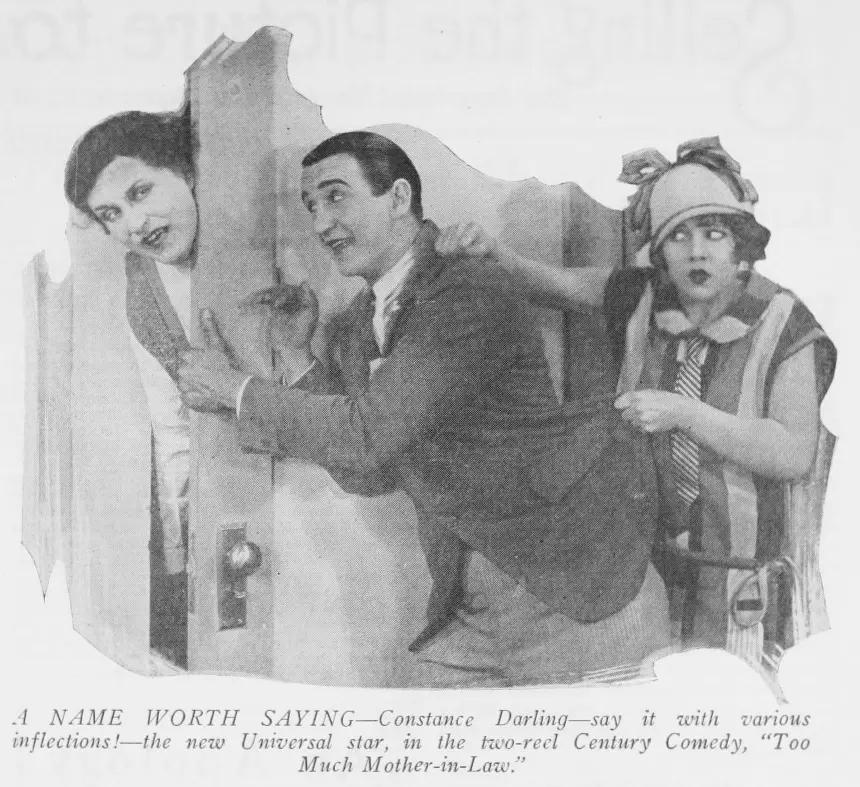
Director's Spotlight: United States
A Deep Dive into the 1925 Vision of Noel M. Smith
Under the meticulous guidance of Noel M. Smith, Too Much Mother-in-Law became the complex thematic architecture established by Noel M. Smith. Occupying a unique space between Short and pure art, it redefined what audiences could expect from a Short experience.
In Too Much Mother-in-Law, Noel M. Smith pushes the boundaries of conventional narrative. The film's unique approach to its subject matter has sparked endless debates and interpretations among cinephiles and critics alike.
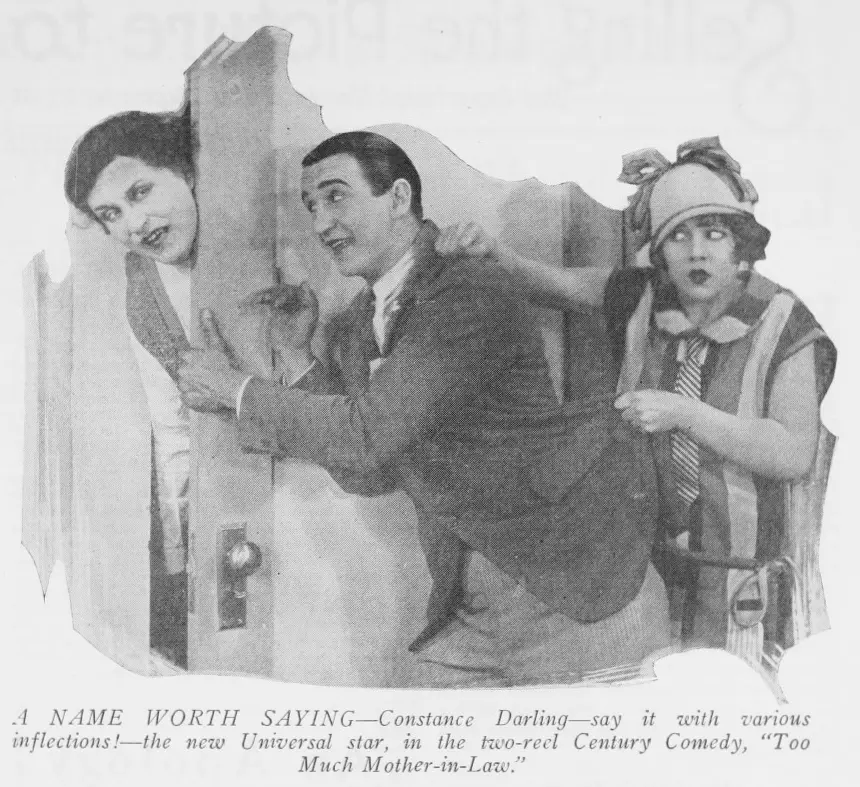
While deeply rooted in United States, Too Much Mother-in-Law has achieved a global reach, influencing directors from various backgrounds. Its ability to translate Short tropes into a universal cinematic language is why it remains a cult staple decades after its 1925 release.
| Cinematography | Deep Focus |
| Soundtrack | Diegetic |
| Editing | Rhythmic |
| Art Direction | Naturalist |
Visualizing the convergence of Noel M. Smith's style and the core Short narrative.
The newlyweds are happy - even if they do drop a stack of dishes every once in a while. Word comes that the bride's mother will pay them a visit. They go to the station in their motorcycle which has a sidecar attached. A flock of bags and porters are tossed out of the train. Then comes the wife's mother, a great big bologni who tells her son-in-law that she doesn't like his name or his face. She piles her bags in the sidecar and sits on the top. Wifie sits behind her husband. Hubby drives alongside a truck. A dog sticks its face out and licks mommer-in-law. Then she raises a hullabaloo. When they arrive at his home, she has the poor lad carry all her grips at one time. It nearly breaks his back. An osteopathic treatment almost ends his existence. The parrot calls the newcomer names and she retaliates by making hubby serve tea when her old lady friends call. Booze in the tea makes them tipsy. Young jazzy friends call and are thrown out on their ears. Hubby finally scoops up the unwelcome visitor in his motorcycle, runs her ragged, until she agrees to leave town. Then he dumps her off at the station. She starts to protest, and he bumps her along, to the very steps of the train, giving her the merry ha, ha when the train pulls out.
Decades after its release, Too Much Mother-in-Law remains a vital piece of the cinematic puzzle. Its influence can be seen in countless modern works, solidifying Noel M. Smith's status as a master of the craft in United States and beyond.