
DbcultAccessing Vault...
Director's Spotlight
Senior Film Conservator
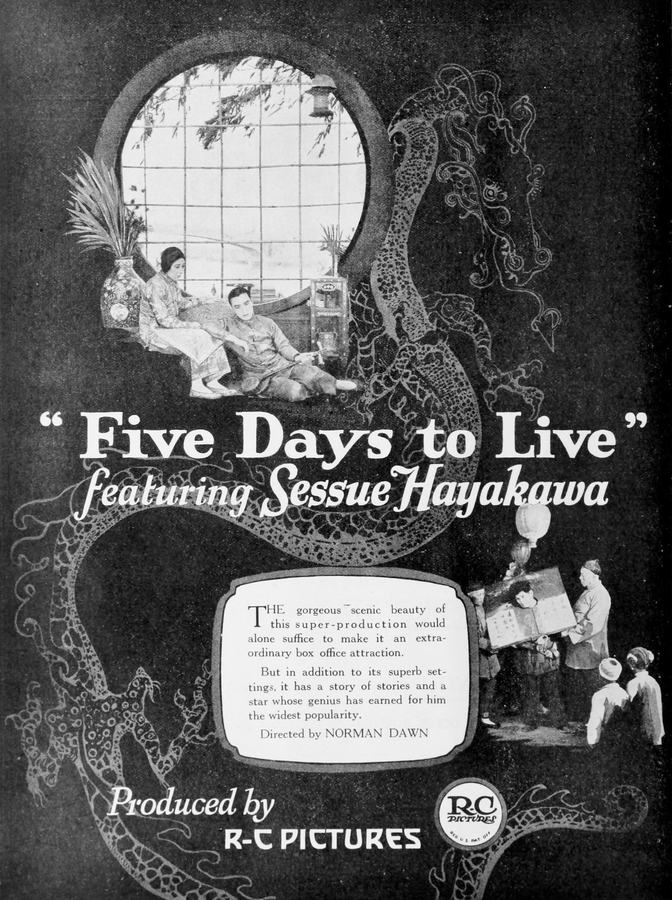
Director's Spotlight: United States
A Deep Dive into the 1922 Vision of Norman Dawn
To understand the modern evolution of United States film, one must first look at Five Days to Live and the meticulous attention to detail that Norman Dawn applied to every frame. Reflecting the political and social shifts of the 1922s, it showcases the power of Drama as a tool for social commentary.
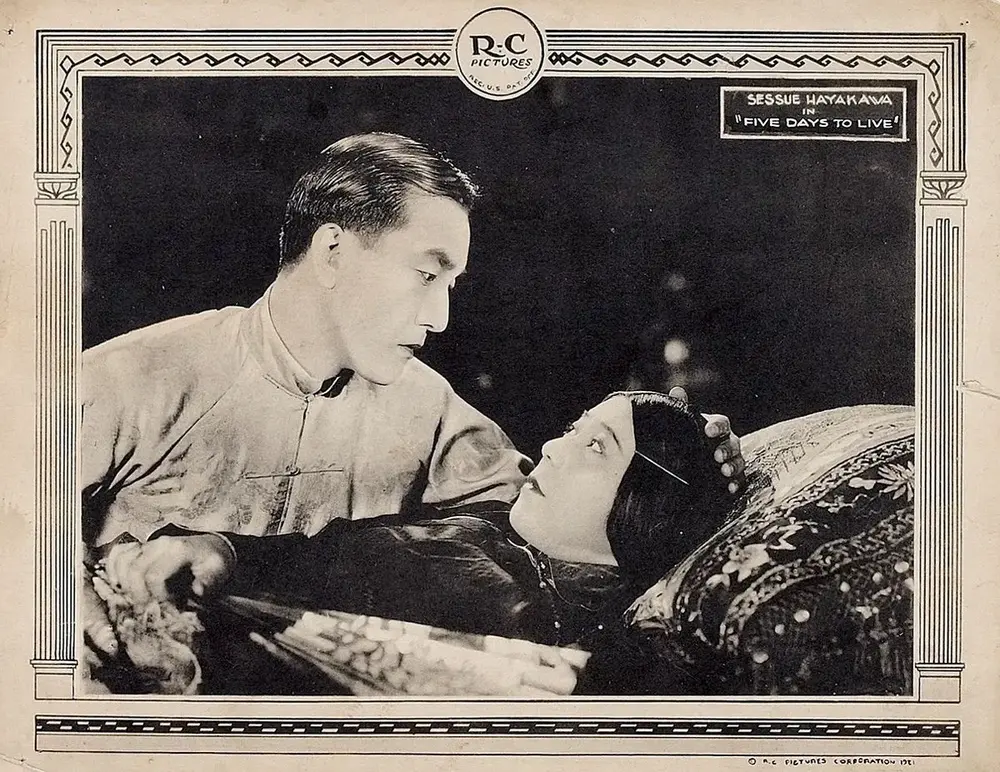
In Five Days to Live, Norman Dawn pushes the boundaries of conventional narrative. The film's unique approach to its subject matter has sparked endless debates and interpretations among cinephiles and critics alike.
| Cinematography | Handheld |
| Soundtrack | Experimental |
| Editing | Elliptical |
| Art Direction | Expressionist |
Visualizing the convergence of Norman Dawn's style and the core Drama narrative.
Tai Leung, a young man who dreams of love and carves ivory images, falls in love with the pretty Kao Ai. Her cruel foster father owns a restaurant where she works, and he overworks and mistreats her. She blossoms when she meets Tai Leung, who is determined to rescue her from her hard life. Her foster father agrees to let her go, but only if Tai pays him a large sum of money. Desperate for money, Tai learns of a condemned pirate, "The Wolf," who has been sentenced to hang and will pay a lot of money for a substitute, and Tai agrees to take The Wolf's place on the gallows to ensure Ko Ai's happiness. However, things don't work out quite the way Tai planned.
Decades after its release, Five Days to Live remains a vital piece of the cinematic puzzle. Its influence can be seen in countless modern works, solidifying Norman Dawn's status as a master of the craft in United States and beyond.