
DbcultAccessing Vault...
Director's Spotlight
Senior Film Conservator
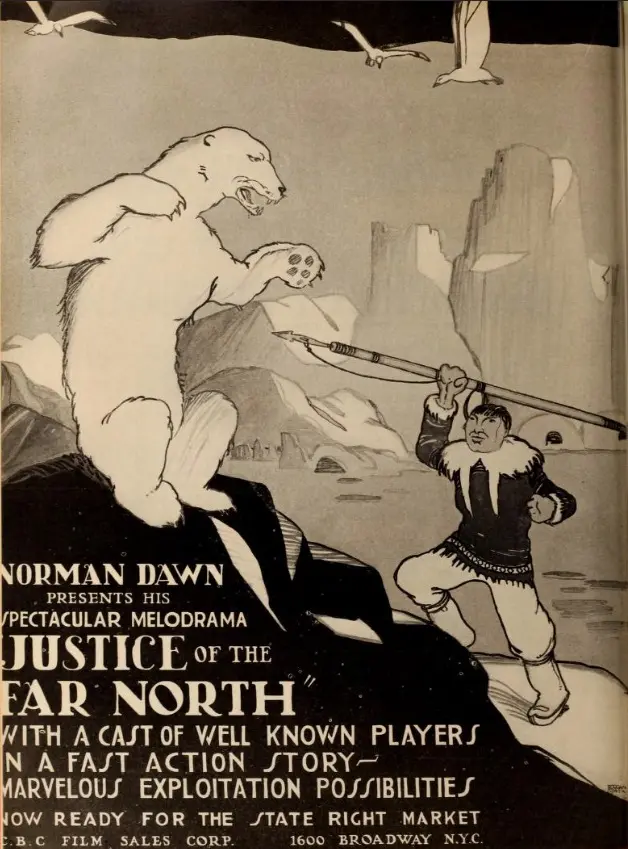
Director's Spotlight: United States
A Deep Dive into the 1925 Vision of Norman Dawn
To understand the modern evolution of United States film, one must first look at Justice of the Far North and the meticulous attention to detail that Norman Dawn applied to every frame. Reflecting the political and social shifts of the 1925s, it showcases the power of Drama as a tool for social commentary.
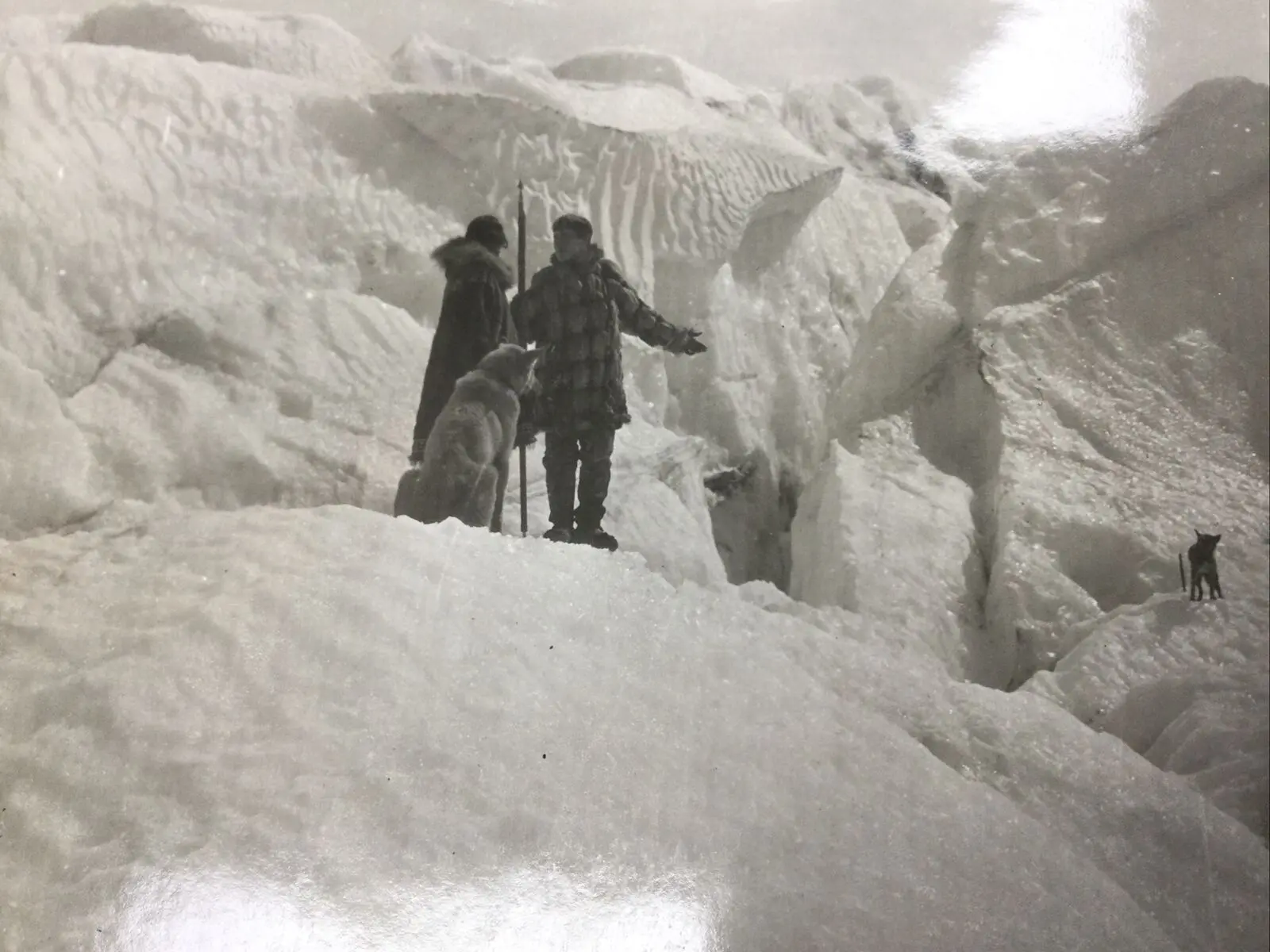
In Justice of the Far North, Norman Dawn pushes the boundaries of conventional narrative. The film's unique approach to its subject matter has sparked endless debates and interpretations among cinephiles and critics alike.
| Cinematography | High-Contrast |
| Soundtrack | Minimalist |
| Editing | Disjunctive |
| Art Direction | Baroque |
Visualizing the convergence of Norman Dawn's style and the core Drama narrative.
Umluk, an Eskimo chief, falls into a crevice while hunting and is rescued by Dr. Wells, a distinguished Arctic explorer and scientist. Umluk returns to his igloo, where he finds Mike Burke, an ex-whaler who runs a trading post in partnership with Izzy Hawkins. Mike has been attempting to win the favor of Umluk's promised bride, the Eskimo-Russian Wamba, by giving her trinkets. Umluk forces Mike to leave, but the trader returns later and takes the willing Wamba away with him, forcing her sister, Nootka, to accompany them as their servant. Umluk learns of the betrayal from Izzy and pursues the party in a light sled. He soon catches sight of the three travelers, but an unlucky accident to his sled prevents him from reaching them. Umluk eventually finds the group in a rough settlement, and, after several trials and tribulations, returns to his icy home with the faithful Nootka, leaving the degraded Wamba behind.
Decades after its release, Justice of the Far North remains a vital piece of the cinematic puzzle. Its influence can be seen in countless modern works, solidifying Norman Dawn's status as a master of the craft in United States and beyond.