
DbcultAccessing Vault...
Director's Spotlight
Senior Film Conservator
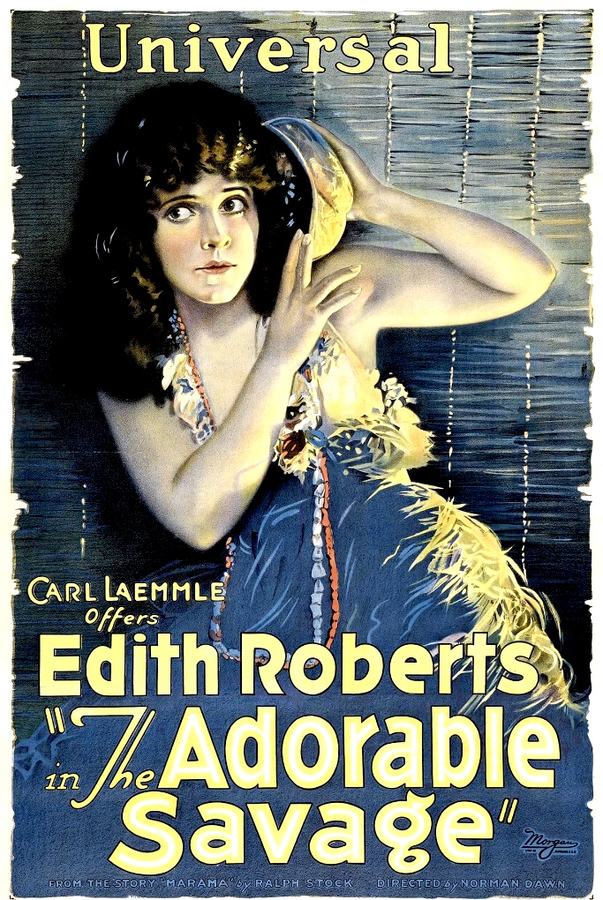
Director's Spotlight: United States
A Deep Dive into the 1920 Vision of Norman Dawn
The 1920 release of The Adorable Savage marked a significant moment for the enduring legacy of Norman Dawn's artistic contribution to the genre. By challenging the status quo of 1920 cinema, it has cemented its place in the global cult cinema archive.
In The Adorable Savage, Norman Dawn pushes the boundaries of conventional narrative. The film's unique approach to its subject matter has sparked endless debates and interpretations among cinephiles and critics alike.
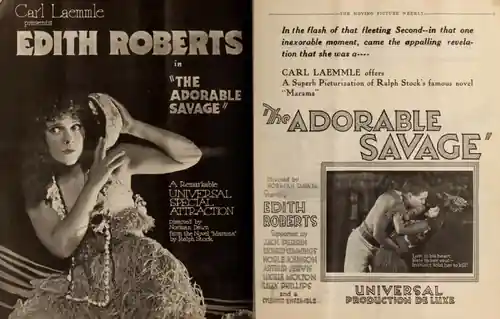
To fully appreciate The Adorable Savage, one must consider the cinematic climate of 1920. During this period, United States was undergoing significant artistic shifts, and Norman Dawn was at the forefront of this cult movement, often challenging established norms.
| Cinematography | Deep Focus |
| Soundtrack | Synth-Heavy |
| Editing | Rhythmic |
| Art Direction | Naturalist |
Visualizing the convergence of Norman Dawn's style and the core cult narrative.
Marama Thurston leaves her fashionable boarding school in America when her ailing father Jim Thurston, a plantation owner on Fiji, begs her to protect the rubber crop from his thieving son-in-law. Upon arriving on the island, Marama learns that she is a half-caste. Traumatized, she assumes native customs and agrees to marry Ratu Madri, the island's ruler. Templeton, an American fugitive living on Fiji, falls in love with her, but Marama rejects him, having pledged herself already to the Fiji chief. As Marama dances the prenuptial rite, Templeton attempts to rescue her. The natives seize the American, and Marama threatens suicide if they harm him. The couple escape during a hurricane, and soon after a yacht arrives with the news that Templeton has been exonerated of murder charges. Their problems thus resolved, they return to America to wed.
Decades after its release, The Adorable Savage remains a vital piece of the cinematic puzzle. Its influence can be seen in countless modern works, solidifying Norman Dawn's status as a master of the craft in United States and beyond.