
DbcultAccessing Vault...
Director's Spotlight
Senior Film Conservator
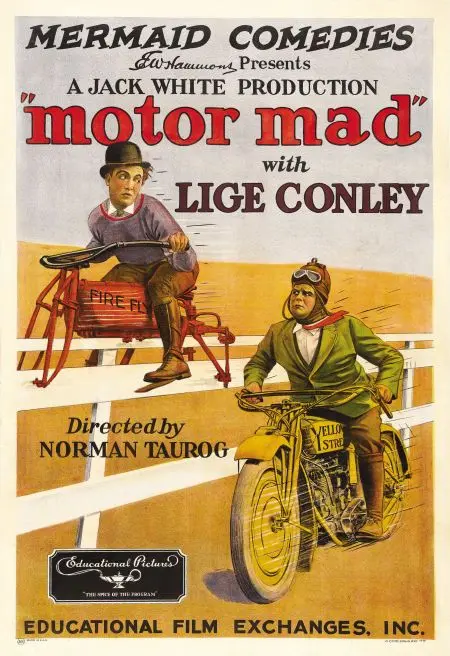
Director's Spotlight: United States
A Deep Dive into the 1924 Vision of Norman Taurog
The enduring fascination with Motor Mad is a testament to the artistic risks taken by Norman Taurog that eventually paid off. Challenging the viewer to find meaning in the Comedy shadows, it reminds us of the fragility and beauty of the 1924s.
In Motor Mad, Norman Taurog pushes the boundaries of conventional narrative. The film's unique approach to its subject matter has sparked endless debates and interpretations among cinephiles and critics alike.
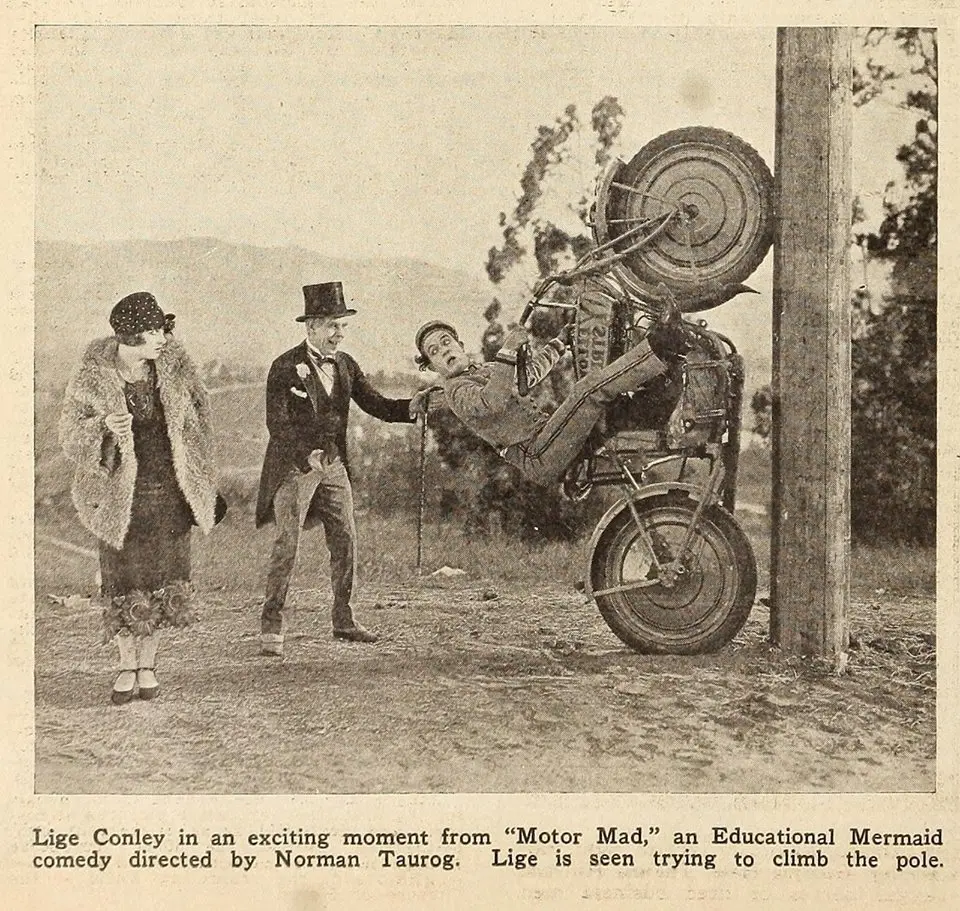
While deeply rooted in United States, Motor Mad has achieved a global reach, influencing directors from various backgrounds. Its ability to translate Comedy tropes into a universal cinematic language is why it remains a cult staple decades after its 1924 release.
| Cinematography | Handheld |
| Soundtrack | Synth-Heavy |
| Editing | Disjunctive |
| Art Direction | Baroque |
Visualizing the convergence of Norman Taurog's style and the core Comedy narrative.
It is try-out day for motorcycle hill climbing contest to determine the entries in the big cross-country race. The chairman has a big bet on his entry but he fails to qualify in the hill climbing contest when his machine bucks him off. Lige is just a bell boy, but he has big ideas. He does not own a car but a pair of roller skates and a dog furnishes him with speedy. and economical transportation. This morning the dog spies a cat and the things that happen to Lige are full of excitement. He tears through traffic, narrowly escaping collisions and sudden death, finally landing in the hotel and upsetting the guests. Otto, the manager of the hotel, bawls out Lige and sets him to work posting up the bills advertising the big race. After Lige gets the posters on the backs of most of the hotel guests, the manager calls him in and chases him around the lobby. During the chase Lige falls from a balcony on to the seat of a motorcycle on exhibition in the lobby. It starts off and tears down the street out to the course where the tryouts are being held. Lige has never been on a motorcycle before but he manages to hold on and gets to the top of the hill. The chairman sees the stunts Lige does and then hires him to ride in the coming race. Lige refuses, but when Ruth rolls her eyes at him he consents. The day of the big event arrives and Lige's enemy, the hotel manager, is his chief rival. The racers are off in a cloud of dust and they hit a terrific speed. Lige and the hotel manager fight it out at ninety miles per hour but the stunts Lige has to go through to win the race are full of thrills and side-splitting results. Lige wins the race and Ruth tells him he can call around every Wednesday night.
Decades after its release, Motor Mad remains a vital piece of the cinematic puzzle. Its influence can be seen in countless modern works, solidifying Norman Taurog's status as a master of the craft in United States and beyond.