
DbcultAccessing Vault...
Director's Spotlight
Senior Film Conservator
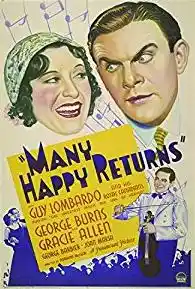
Director's Spotlight: United States
A Deep Dive into the 1934 Vision of Norman Z. McLeod
As we revisit the 1934 masterpiece Many Happy Returns, we are struck by the atmospheric immersion that Norman Z. McLeod achieves throughout Many Happy Returns. Exploring the nuances of the human condition with Comedy flair, it solidifies Norman Z. McLeod's reputation as a master of the craft.
In Many Happy Returns, Norman Z. McLeod pushes the boundaries of conventional narrative. The film's unique approach to its subject matter has sparked endless debates and interpretations among cinephiles and critics alike.
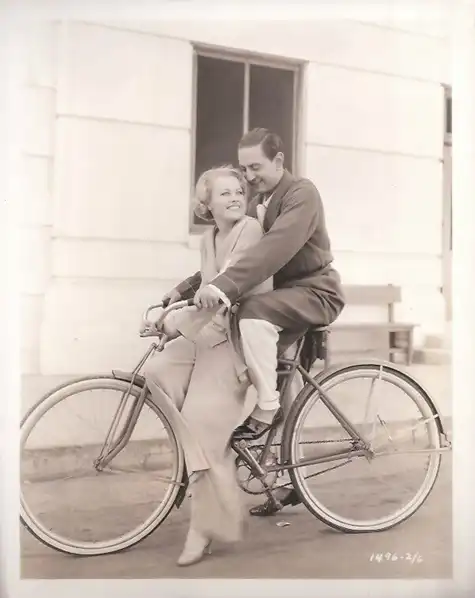
In this work, Norman Z. McLeod explores the intersection of Comedy and United States cultural identity. The meticulous attention to detail suggests a deep-seated commitment to pushing the boundaries of the medium, ensuring that Many Happy Returns remains a relevant topic of study for Comedy enthusiasts.
| Cinematography | Noir-Inspired |
| Soundtrack | Orchestral |
| Editing | Invisible |
| Art Direction | Kitsch |
Visualizing the convergence of Norman Z. McLeod's style and the core Comedy narrative.
Gracie Allen assumes the "management" of the shop owned by her papa Horatio Allen, turning it into a radio station and then an aviary, with the usual Gracie Allen logic. While distracted, Papa is trying to get younger daughter, beauty contest winner Florence, married before she can head to Hollywood and get into the movies. The story moves to Hollywood, where, with Gracie around, kidnappers get kidnapped and the chatter between her and George Burns even takes a few satirized shots at Filmland, in addition to their usual unusual routines. Guy Lombardo, top-billed on the ads and posters with Burns and Allen but not the cast listings, and dance team Frank Veloz and Yolanda, fill in where needed between the cracks of the mostly on-the-fly plot, and they don't seem to be taking their gigs all that seriously either. Burns and Allen Radio fans, the few of us that still remember "radio", will love it, while others are likely to give it a "say what" or "duh", especially if they were raised on television comedy of the past twenty years.
Decades after its release, Many Happy Returns remains a vital piece of the cinematic puzzle. Its influence can be seen in countless modern works, solidifying Norman Z. McLeod's status as a master of the craft in United States and beyond.