
DbcultAccessing Vault...
Director's Spotlight
Senior Film Conservator
Director's Spotlight: United States
A Deep Dive into the 1914 Vision of Olaf Skavlan
Deciphering the layers of The Yellow Traffic (1914) reveals the complex thematic architecture established by Olaf Skavlan. Utilizing a 1914-specific aesthetic that remains timeless, it stands as the definitive 1914 statement on cult identity.
In The Yellow Traffic, Olaf Skavlan pushes the boundaries of conventional narrative. The film's unique approach to its subject matter has sparked endless debates and interpretations among cinephiles and critics alike.
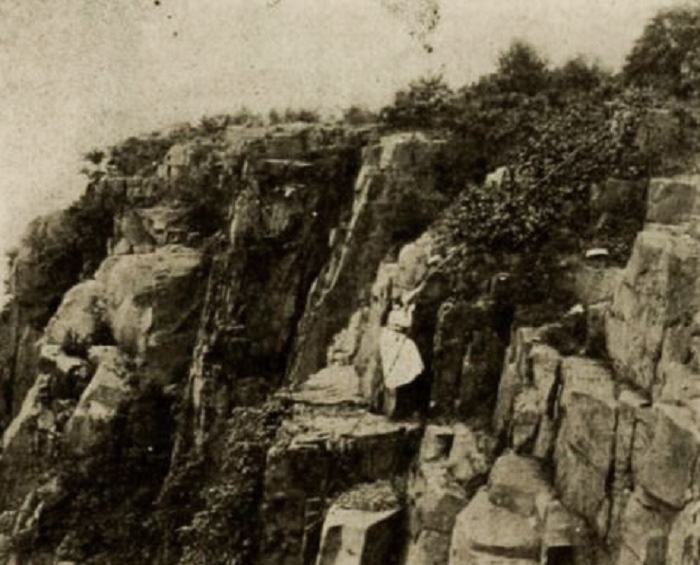
The visual language of The Yellow Traffic is defined by its use of shadows and framing, a hallmark of Olaf Skavlan's style. By utilizing a 1914-era palette, the film creates an immersive experience that perfectly complements its cult themes.
| Cinematography | Handheld |
| Soundtrack | Orchestral |
| Editing | Invisible |
| Art Direction | Kitsch |
Visualizing the convergence of Olaf Skavlan's style and the core cult narrative.
The four-masted schooner "Caroline," a valuable seagoing vessel engaged in a peaceful legitimate trade along the rough coast of New England, is the central point around which this interesting drama revolves. Her owner has been forced by misfortune to borrow money from a wealthy merchant who is the secret head of a band of smugglers engaged in bringing Chinamen into the United States by landing them secretly upon a dangerous stretch of the seacoast. The merchant wants the "Caroline" for his illegal traffic, and has also made up his mind to obtain her captain-owner's daughter for his bride. The girl, however, is in love with a stalwart coast guard and is seconded in her dislike for the merchant by her brother who, besides being the first mate of the "Caroline," has rigged a wireless apparatus upon the vessel and upon the roof of their home, and has taught his sister how to communicate with him while he is at sea. The merchant succeeds in secreting a number of his desperate band in the hold of the "Caroline" when she sails upon one of her cruises, and thus gains possession of the vessel and places her crew in irons. She is immediately forced into the "yellow traffic" and used to pick up a cargo of Chinamen who are packed in barrels and loaded upon her deck. Meanwhile the activities of the merchant, the girl and the coast guard upon the land combined with the government's efforts to stop the operations of the smugglers add double interest to the story which reaches a splendid climax when the brother succeeds in communicating with his sister by wireless, is made to walk the plank, swims 140 feet under water, finally clinging to a rudder chain and reaching shore in time to lead a large force against the smugglers on land. He pursues the "Caroline" out to sea and leads an attack upon her ruffian crew, which ends in a hand-to-hand conflict and a triumph for the guardians of the law.
Decades after its release, The Yellow Traffic remains a vital piece of the cinematic puzzle. Its influence can be seen in countless modern works, solidifying Olaf Skavlan's status as a master of the craft in United States and beyond.