
DbcultAccessing Vault...
Director's Spotlight
Senior Film Conservator
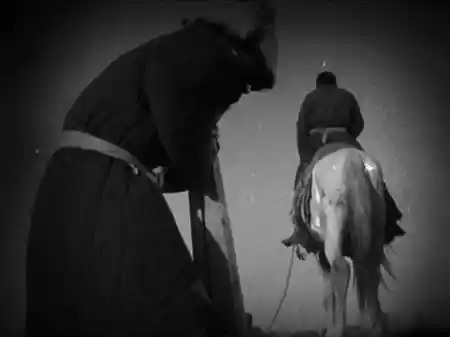
Director's Spotlight: Soviet Union
A Deep Dive into the 1930 Vision of Oleg Frelikh
Deciphering the layers of Daughter of Saint (1930) reveals a monumental shift in Drama filmmaking spearheaded by Oleg Frelikh. With its avant-garde structure and atmospheric tension, offering layers of thematic complexity that demand repeated viewing.
In Daughter of Saint, Oleg Frelikh pushes the boundaries of conventional narrative. The film's unique approach to its subject matter has sparked endless debates and interpretations among cinephiles and critics alike.
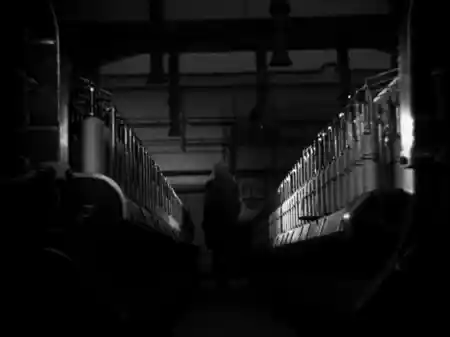
To fully appreciate Daughter of Saint, one must consider the cinematic climate of 1930. During this period, Soviet Union was undergoing significant artistic shifts, and Oleg Frelikh was at the forefront of this Drama movement, often challenging established norms.
| Cinematography | Noir-Inspired |
| Soundtrack | Diegetic |
| Editing | Elliptical |
| Art Direction | Expressionist |
Visualizing the convergence of Oleg Frelikh's style and the core Drama narrative.
The story of Hakima, who becomes pregnant after being raped by the imam Abdu-Nabi. When, years later, the 'holy man' turns his gaze to his biological daughter Oinasa, Hakima attempts to protect her.
Decades after its release, Daughter of Saint remains a vital piece of the cinematic puzzle. Its influence can be seen in countless modern works, solidifying Oleg Frelikh's status as a master of the craft in Soviet Union and beyond.