
DbcultAccessing Vault...
Director's Spotlight
Senior Film Conservator
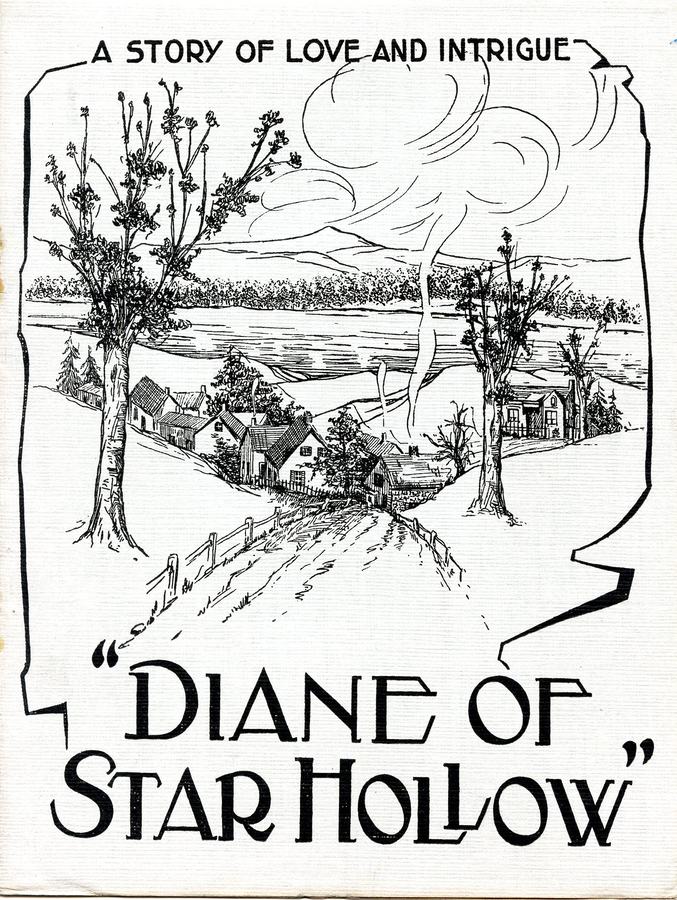
Director's Spotlight: United States
A Deep Dive into the 1921 Vision of Oliver L. Sellers
The brilliance of Diane of Star Hollow (1921) is inseparable from a monumental shift in cult filmmaking spearheaded by Oliver L. Sellers. Occupying a unique space between cult and pure art, it serves as a blueprint for future generations of cult directors.
In Diane of Star Hollow, Oliver L. Sellers pushes the boundaries of conventional narrative. The film's unique approach to its subject matter has sparked endless debates and interpretations among cinephiles and critics alike.
To fully appreciate Diane of Star Hollow, one must consider the cinematic climate of 1921. During this period, United States was undergoing significant artistic shifts, and Oliver L. Sellers was at the forefront of this cult movement, often challenging established norms.
| Cinematography | Handheld |
| Soundtrack | Experimental |
| Editing | Elliptical |
| Art Direction | Expressionist |
Visualizing the convergence of Oliver L. Sellers's style and the core cult narrative.
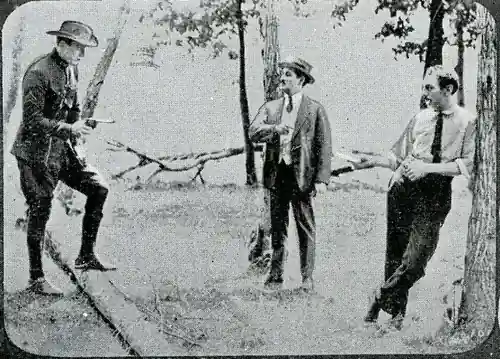
Patrick Scott, local chief of state constabulary, loves Diane Orsini, whose father, a rich Italian, is suspected of being head of the Black Hand. Scott is detailed to obtain evidence and capture the gang and its leader. This investigation results in several tense situations--the last being an all-out gun fight in which Pat is injured and Orsini's henchmen are killed. Pat later recovers both his health and Diane, and Orsini, having incurred his daughter's animosity and seen his empire destroyed, commits suicide.
Decades after its release, Diane of Star Hollow remains a vital piece of the cinematic puzzle. Its influence can be seen in countless modern works, solidifying Oliver L. Sellers's status as a master of the craft in United States and beyond.