
DbcultAccessing Vault...
Director's Spotlight
Senior Film Conservator
Director's Spotlight: United States
A Deep Dive into the 1926 Vision of Orville O. Dull
Under the meticulous guidance of Orville O. Dull, A Lickpenny Lover became the complex thematic architecture established by Orville O. Dull. Occupying a unique space between Short and pure art, it redefined what audiences could expect from a Short experience.
In A Lickpenny Lover, Orville O. Dull pushes the boundaries of conventional narrative. The film's unique approach to its subject matter has sparked endless debates and interpretations among cinephiles and critics alike.
The visual language of A Lickpenny Lover is defined by its use of shadows and framing, a hallmark of Orville O. Dull's style. By utilizing a 1926-era palette, the film creates an immersive experience that perfectly complements its Short themes.
| Cinematography | Static |
| Soundtrack | Minimalist |
| Editing | Disjunctive |
| Art Direction | Baroque |
Visualizing the convergence of Orville O. Dull's style and the core Short narrative.
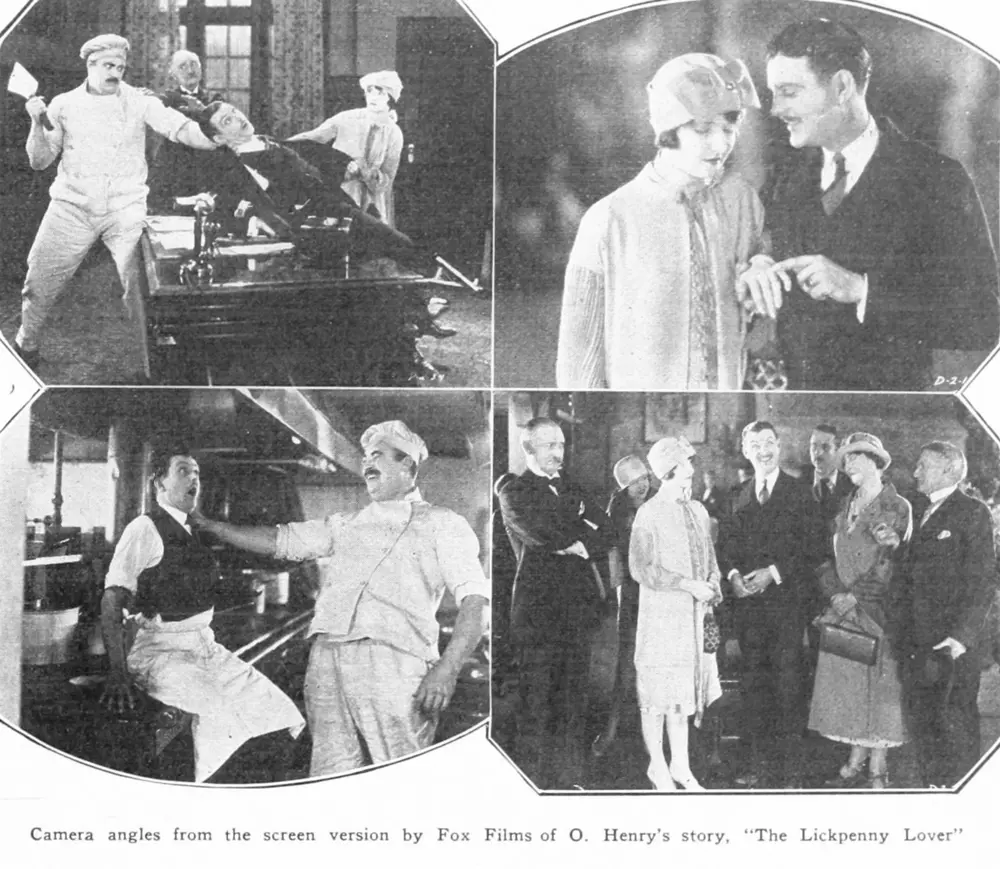
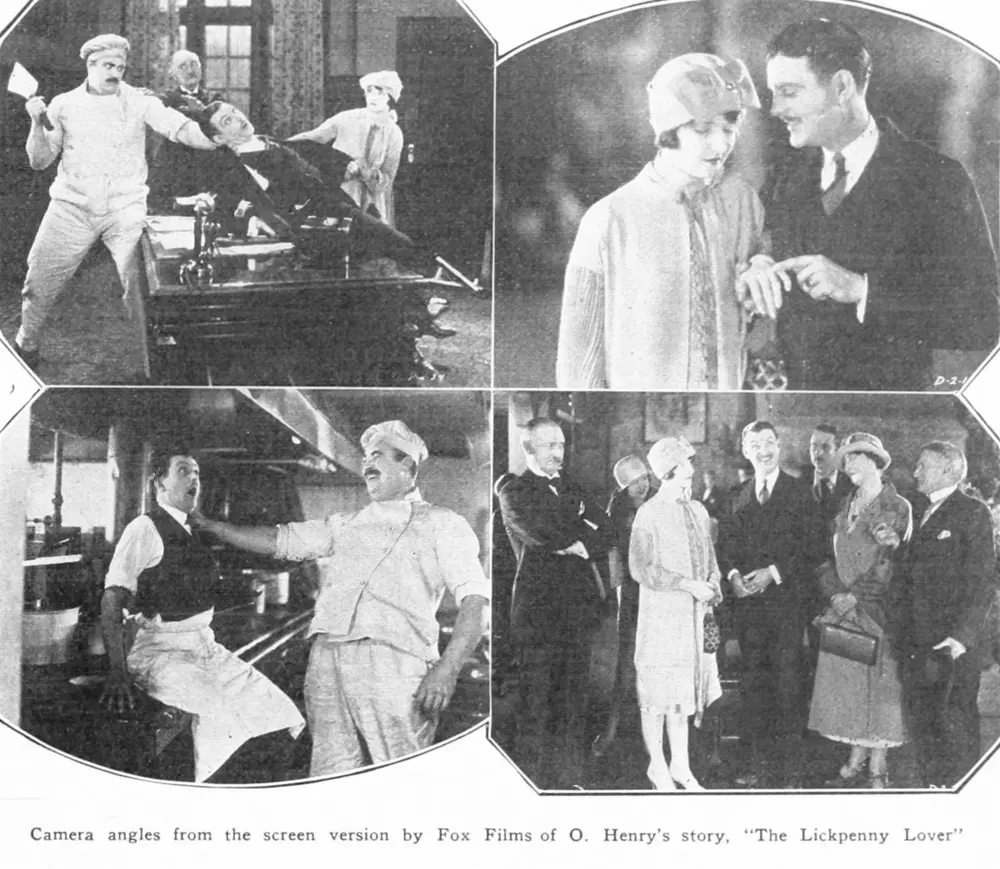
The action takes place in a hotel where there is a hard-boiled manager and a man-mountain of a chef. This chef takes a dislike to the society boy, who is forced to work out his board bill in the kitchen. The manager fires the chef, who immediately runs amok and chases the manager and his new assistant all over the hotel. During these pleasantries the boy's sweetheart arrives with a party of friends and she thinks that he is the new manager. Many embarrassing situations are turned into laughable moments here until the boy's father arrives and saves the situation by announcing that he has bought the hotel and that his son is now the manager. This eliminates both the old manager and the cook, and the girl accepts her present manager-lover.
Decades after its release, A Lickpenny Lover remains a vital piece of the cinematic puzzle. Its influence can be seen in countless modern works, solidifying Orville O. Dull's status as a master of the craft in United States and beyond.