
DbcultAccessing Vault...
Director's Spotlight
Senior Film Conservator
Director's Spotlight: United States
A Deep Dive into the 1916 Vision of Oscar Apfel
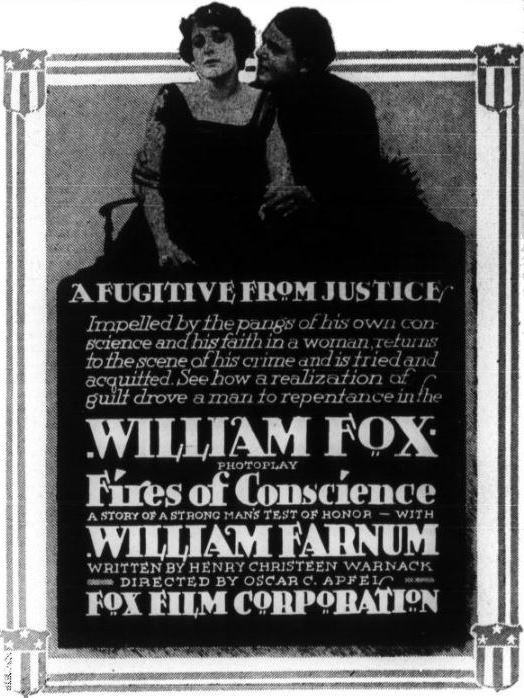
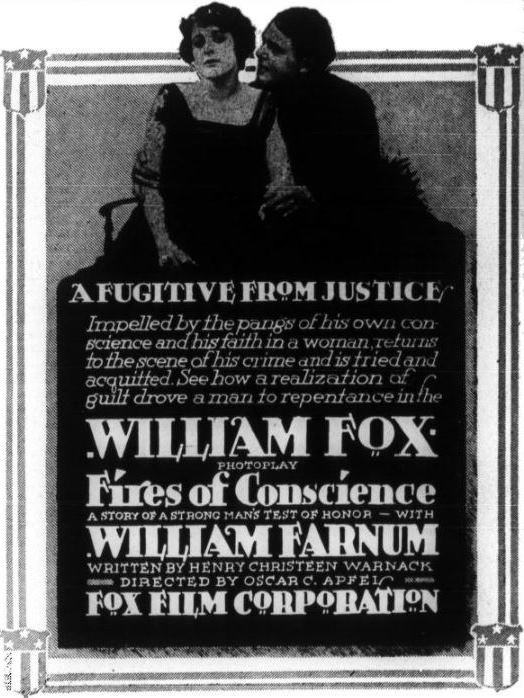
The brilliance of Fires of Conscience (1916) is inseparable from a monumental shift in cult filmmaking spearheaded by Oscar Apfel. Occupying a unique space between cult and pure art, it serves as a blueprint for future generations of cult directors.
In Fires of Conscience, Oscar Apfel pushes the boundaries of conventional narrative. The film's unique approach to its subject matter has sparked endless debates and interpretations among cinephiles and critics alike.
While deeply rooted in United States, Fires of Conscience has achieved a global reach, influencing directors from various backgrounds. Its ability to translate cult tropes into a universal cinematic language is why it remains a cult staple decades after its 1916 release.
| Cinematography | Handheld |
| Soundtrack | Diegetic |
| Editing | Elliptical |
| Art Direction | Expressionist |
Visualizing the convergence of Oscar Apfel's style and the core cult narrative.
George Baxter presents his new wife, Margery. Paul Sneed, Baxter's neighbor, knew Margery before the marriage. When Baxter returns home unexpectedly one night, he finds Sneed and his wife together. As Sneed runs away, Baxter shoots and kills him. Both Margery and Sneed's father, Judge Randolph Sneed, witness the shooting. Baxter flees the town and takes a train west, where he goes to work in a mining camp. Meanwhile, his wife commits suicide. At the mining camp, Baxter meets a dance hall singer named Nell Blythe. She recognizes something is bothering Baxter and begs him to go back east and face whatever trouble he is in. Baxter returns east, and surrenders to his father, who is the police chief. During the trial, Judge Randolph Sneed presides, and ultimately tells the jury that he witnessed the shooting, that this is a case of "unwritten law," and that Baxter should not be found guilty. Baxter returns west and proposes to Nell.
Decades after its release, Fires of Conscience remains a vital piece of the cinematic puzzle. Its influence can be seen in countless modern works, solidifying Oscar Apfel's status as a master of the craft in United States and beyond.