
DbcultAccessing Vault...
Director's Spotlight
Senior Film Conservator
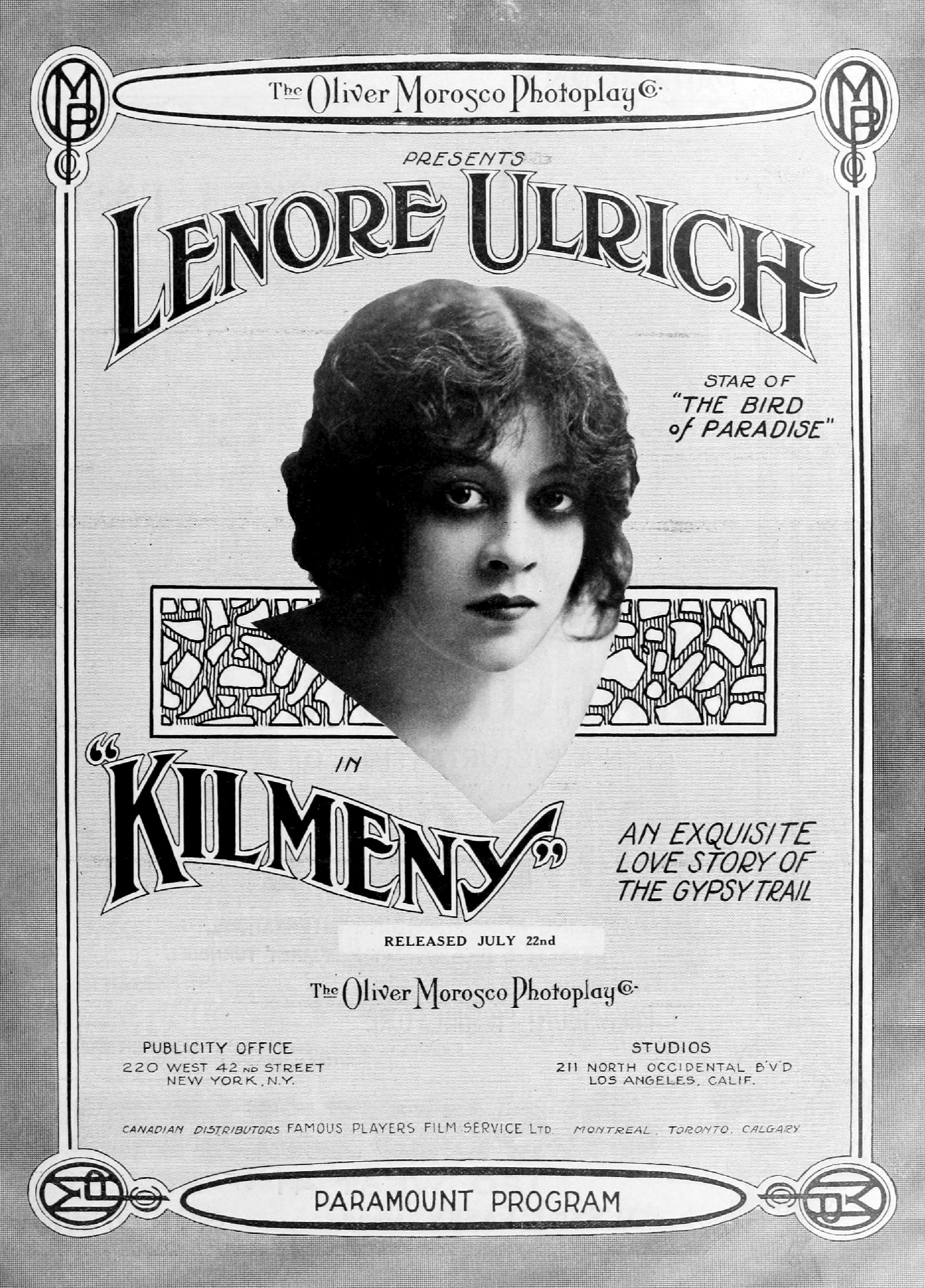
Director's Spotlight: United States
A Deep Dive into the 1915 Vision of Oscar Apfel
The cult DNA of Kilmeny is a reflection of United States's the subversive storytelling techniques employed by Oscar Apfel in 1915. Breaking the traditional rules of cult engagement, it leaves an indelible mark on the soul of the viewer.
In Kilmeny, Oscar Apfel pushes the boundaries of conventional narrative. The film's unique approach to its subject matter has sparked endless debates and interpretations among cinephiles and critics alike.
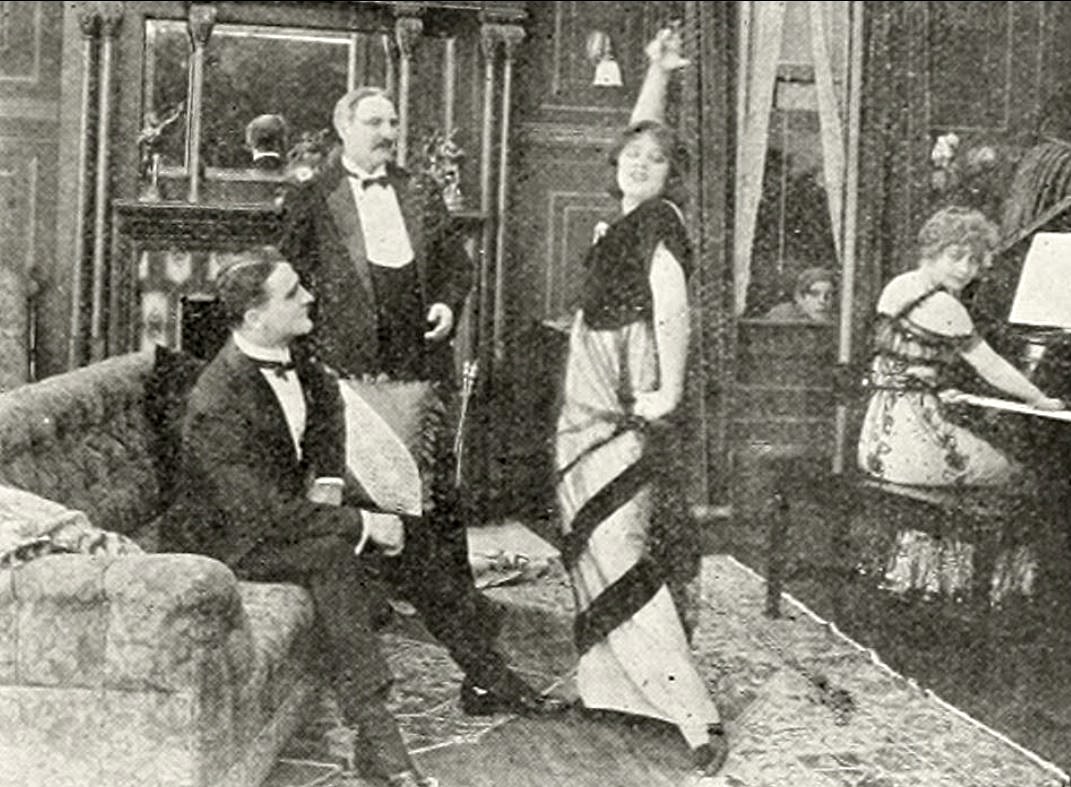
The visual language of Kilmeny is defined by its use of shadows and framing, a hallmark of Oscar Apfel's style. By utilizing a 1915-era palette, the film creates an immersive experience that perfectly complements its cult themes.
| Cinematography | Static |
| Soundtrack | Experimental |
| Editing | Elliptical |
| Art Direction | Expressionist |
Visualizing the convergence of Oscar Apfel's style and the core cult narrative.
Little Doris Calhoun, of a wealthy English family, makes a playmate of Pierre, a crippled gypsy boy, and drifts away with him and the gypsy band on their wanderings and is seen no more. In twelve years she becomes a great favorite with the gypsies, who have named her Kilmeny, but rather than be married to a brutal fellow, Barouche, she flees the camp. Kilmeny is found wandering in the woods, by Lord Leigh, and he persuades the rather reluctant Lady Leigh to give the ragged little wild thing shelter in the manor. The child of camps and trails at first finds naive delight in mysteries like electric light switches, bath tubs with fickle showers and rugs upon which she can slide beautifully over the hardwood floors. But long dresses trip her, the butler is a thundercloud, and at night she cannot sleep in the closed-in room unless she pulls her little white bed to the window. To make it worse, Lady Leigh becomes jealous of her husband's protegee, and so does her brother, Bob Meredith, a dashing chap with whom Kilmeny is very much in love. The sensitive girl who cannot bear to hurt birds, beasts or any living thing, cannot bear to hurt her benefactors either, and so in a pathetic self-sacrifice turns her back upon the manor and returns to the angry gypsies, and to Barouche. But just as the gypsy wedding ceremony is about to begin the father of the long-lost Doris Calhoun appears and calls a halt, and proves the beautiful Kilmeny is his own daughter. To prove it, he produces the poor cripple, Pierre, who has braved the wrath of the clan to balk the brutal Barouche and carry word to Kilmeny's father of her whereabouts.
Decades after its release, Kilmeny remains a vital piece of the cinematic puzzle. Its influence can be seen in countless modern works, solidifying Oscar Apfel's status as a master of the craft in United States and beyond.