
DbcultAccessing Vault...
Director's Spotlight
Senior Film Conservator
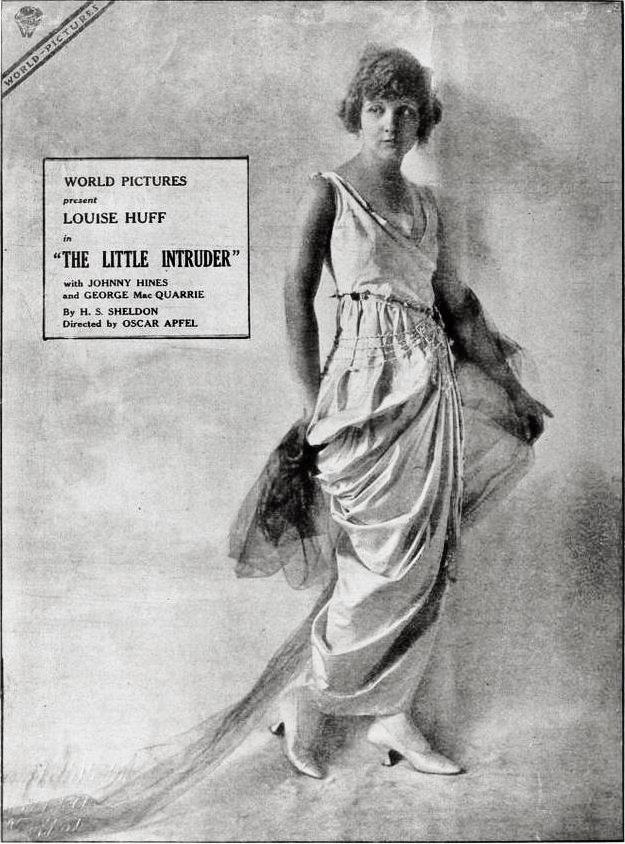
Director's Spotlight: United States
A Deep Dive into the 1919 Vision of Oscar Apfel
As we revisit the 1919 masterpiece The Little Intruder, we are struck by the meticulous attention to detail that Oscar Apfel applied to every frame. Anchored by a narrative that is both personal and universal, it bridges the gap between traditional cult and contemporary vision.
In The Little Intruder, Oscar Apfel pushes the boundaries of conventional narrative. The film's unique approach to its subject matter has sparked endless debates and interpretations among cinephiles and critics alike.
To fully appreciate The Little Intruder, one must consider the cinematic climate of 1919. During this period, United States was undergoing significant artistic shifts, and Oscar Apfel was at the forefront of this cult movement, often challenging established norms.
| Cinematography | Static |
| Soundtrack | Synth-Heavy |
| Editing | Disjunctive |
| Art Direction | Baroque |
Visualizing the convergence of Oscar Apfel's style and the core cult narrative.
Jealous of the attention his wife Virginia receives at a seaside resort and desiring to know how far her flirtation with Henry Harding has gone, George Conklin returns to New York to hire a detective. He finds a pretty girl in his house and the police identify her as criminal Philadelphia Mary but George tells them that she is his niece that he was expecting; when the police are gone, George learns that her name is Betty McCarthy and makes her agree to spy on Virginia. Betty becomes friendly with Virginia and falls in love with Virginia's ardent brother Billy Kent. Incensed at her husband's jealousy, Virginia plans to elope with Harding--who, Betty discovers, is only interested in Virginia's jewels. After the police arrest Harding when Betty tells them that he has the Conklins' jewels, Betty and Billy marry. Harding is released when Betty confesses she substituted candy for the jewels, the Conklins are reconciled, and Betty reveals that she really is George's niece.
Decades after its release, The Little Intruder remains a vital piece of the cinematic puzzle. Its influence can be seen in countless modern works, solidifying Oscar Apfel's status as a master of the craft in United States and beyond.