
DbcultAccessing Vault...
Director's Spotlight
Senior Film Conservator
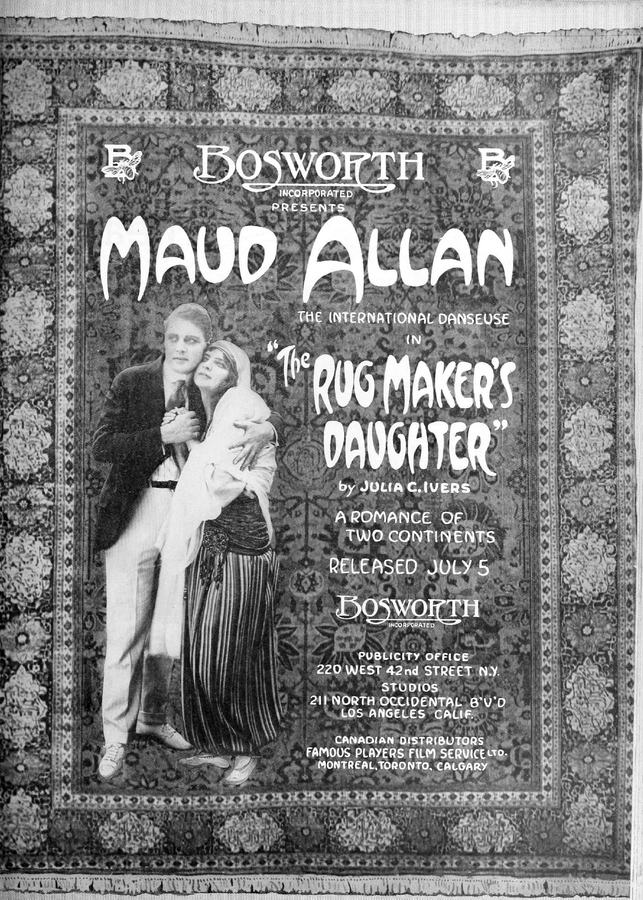
Director's Spotlight: United States
A Deep Dive into the 1915 Vision of Oscar Apfel
The enduring fascination with The Rug Maker's Daughter is a testament to the artistic risks taken by Oscar Apfel that eventually paid off. Challenging the viewer to find meaning in the cult shadows, it reminds us of the fragility and beauty of the 1915s.
In The Rug Maker's Daughter, Oscar Apfel pushes the boundaries of conventional narrative. The film's unique approach to its subject matter has sparked endless debates and interpretations among cinephiles and critics alike.
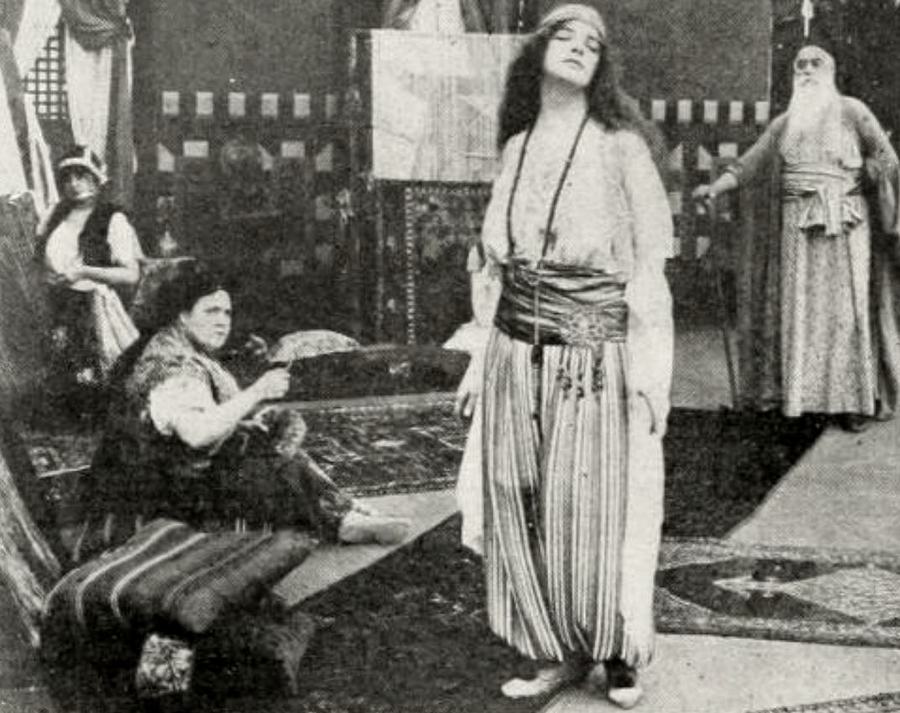
The visual language of The Rug Maker's Daughter is defined by its use of shadows and framing, a hallmark of Oscar Apfel's style. By utilizing a 1915-era palette, the film creates an immersive experience that perfectly complements its cult themes.
| Cinematography | Handheld |
| Soundtrack | Experimental |
| Editing | Elliptical |
| Art Direction | Expressionist |
Visualizing the convergence of Oscar Apfel's style and the core cult narrative.
Bob Van Buren's rescue of an upper-class Turkish girl and her duenna in Constantinople when they are waylaid by robbers paves the way for a romance between them. The romance progresses rapidly despite the hullabaloo raised by Demetra's father and by the Turk fiancé he is trying to force upon her; but the very thought of a girl, so highly educated, so gifted with needle and loom, so famously graceful as a dancer ending up in a harem instead of a respectable home, drives Bob Van Buren to desperation. At length he persuades Demetra to elope with him to America, where Demetra could be married at his mother's in New York. Getting wind of it, the malicious Osman hires a band of ruffians who make away with Bob Van Buren on the very eve of departure. With her young American mysteriously vanished, and the day of her now-all-the-more-odious wedding to Osman drawing near, Demetra can stand it no longer, and taking her duenna, flees to a cousin's in New York on the P. and O. boat on which Bob had reserved sailings. Osman pursues the little refugee, corners her in New York, and with oriental cunning sets a trap into which Demetra walks blindly. Having her in his toils again Osman summons a second Turkish priest and is just forcing Demetra to her knees before him when the door bursts open and in rushes Bob Van Buren, who had finally escaped the dungeon in Constantinople to which he had been consigned. He routes Osman and takes Demetra to his mother's. Mrs. Van Buren suggested that the lovers wait until September, but their hearts were set on June. And so, as you may very well imagine, June it was.
Decades after its release, The Rug Maker's Daughter remains a vital piece of the cinematic puzzle. Its influence can be seen in countless modern works, solidifying Oscar Apfel's status as a master of the craft in United States and beyond.