
DbcultAccessing Vault...
Director's Spotlight
Senior Film Conservator
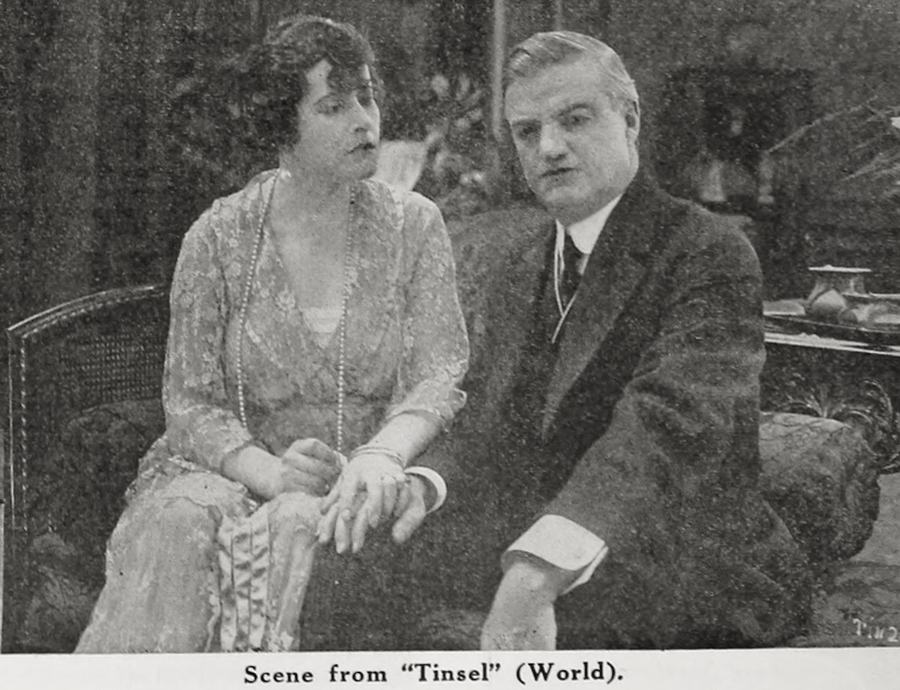
Director's Spotlight: United States
A Deep Dive into the 1918 Vision of Oscar Apfel
The artistic breakthrough represented by Tinsel in 1918 highlights the philosophical inquiries that Oscar Apfel embeds within the narrative. Framed by the hauntingly beautiful landscapes of the production, it leaves an indelible mark on the soul of the viewer.
In Tinsel, Oscar Apfel pushes the boundaries of conventional narrative. The film's unique approach to its subject matter has sparked endless debates and interpretations among cinephiles and critics alike.
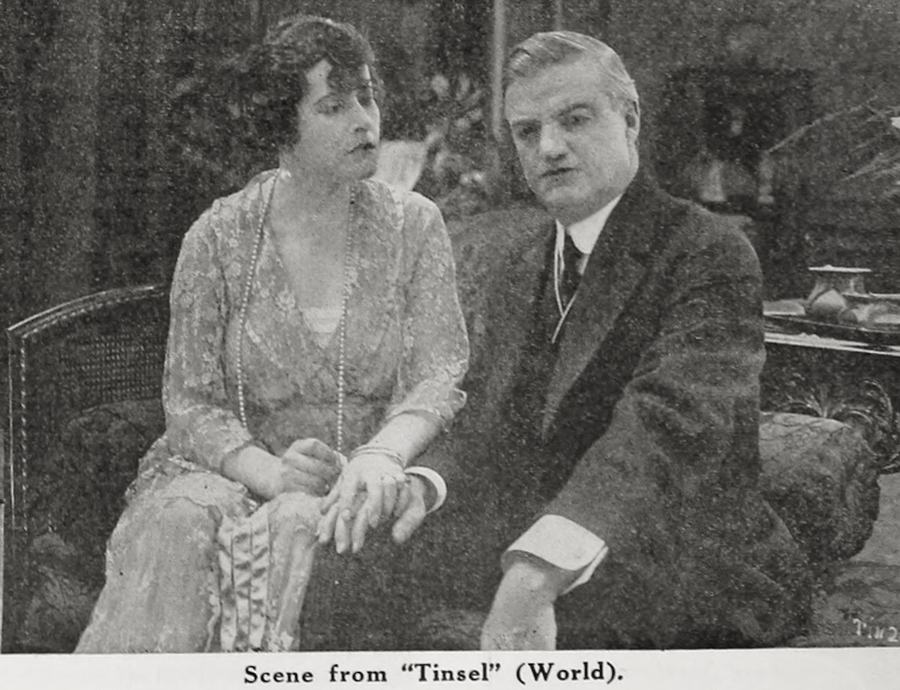
The visual language of Tinsel is defined by its use of shadows and framing, a hallmark of Oscar Apfel's style. By utilizing a 1918-era palette, the film creates an immersive experience that perfectly complements its cult themes.
| Cinematography | Handheld |
| Soundtrack | Experimental |
| Editing | Invisible |
| Art Direction | Kitsch |
Visualizing the convergence of Oscar Apfel's style and the core cult narrative.
After her second husband dies, Princess Sylvia Carzoni writes to her first husband, Richard Carmichael, requesting the custody of their daughter Ruth. The naïve Ruth is so thrilled at the prospect of entering society that Richard reluctantly allows her to go, and in her new surroundings, she happily receives the attentions of several of her mother's friends. Through her own innocence, Ruth withstands their advances, but she falls victim to the dashing Jefferson Kane, who suggests that she visit him at his home. Suspicious, Sylvia follows her daughter to Jefferson's estate, where she finds Ruth struggling with the villain, and after denouncing him, Sylvia takes the girl home. Sylvia lovingly embraces Ruth, and as she is discussing the shallowness of society life, Richard and Bobby Woodward, Ruth's old sweetheart, arrive demanding Ruth's return. Eventually, however, Sylvia regains Richard's love, and Ruth is united with Bobby.
Decades after its release, Tinsel remains a vital piece of the cinematic puzzle. Its influence can be seen in countless modern works, solidifying Oscar Apfel's status as a master of the craft in United States and beyond.