
DbcultAccessing Vault...
Director's Spotlight
Senior Film Conservator
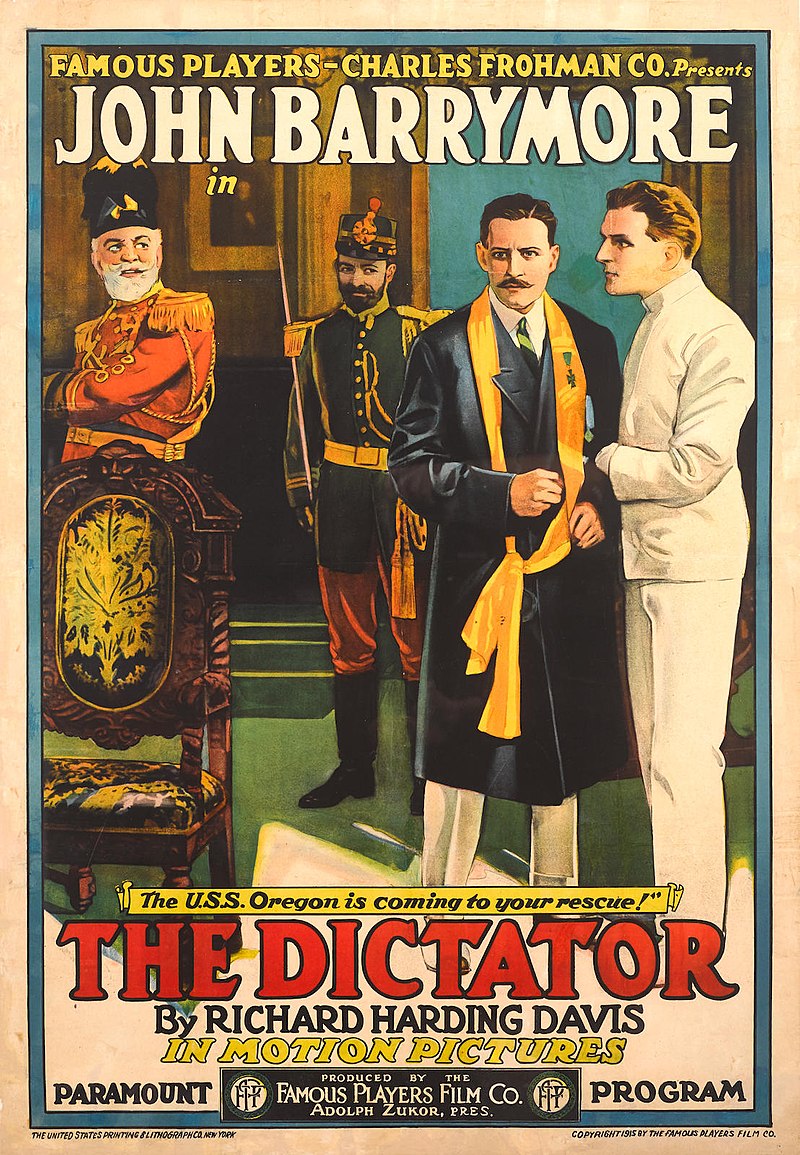
Director's Spotlight: United States
A Deep Dive into the 1915 Vision of Oscar Eagle
To understand the modern evolution of United States film, one must first look at The Dictator and the collaborative alchemy between Oscar Eagle and the 1915 creative team. Subverting the expectations of the typical 1915 audience, it remains a vital reference point for anyone studying the evolution of Oscar Eagle.
In The Dictator, Oscar Eagle pushes the boundaries of conventional narrative. The film's unique approach to its subject matter has sparked endless debates and interpretations among cinephiles and critics alike.
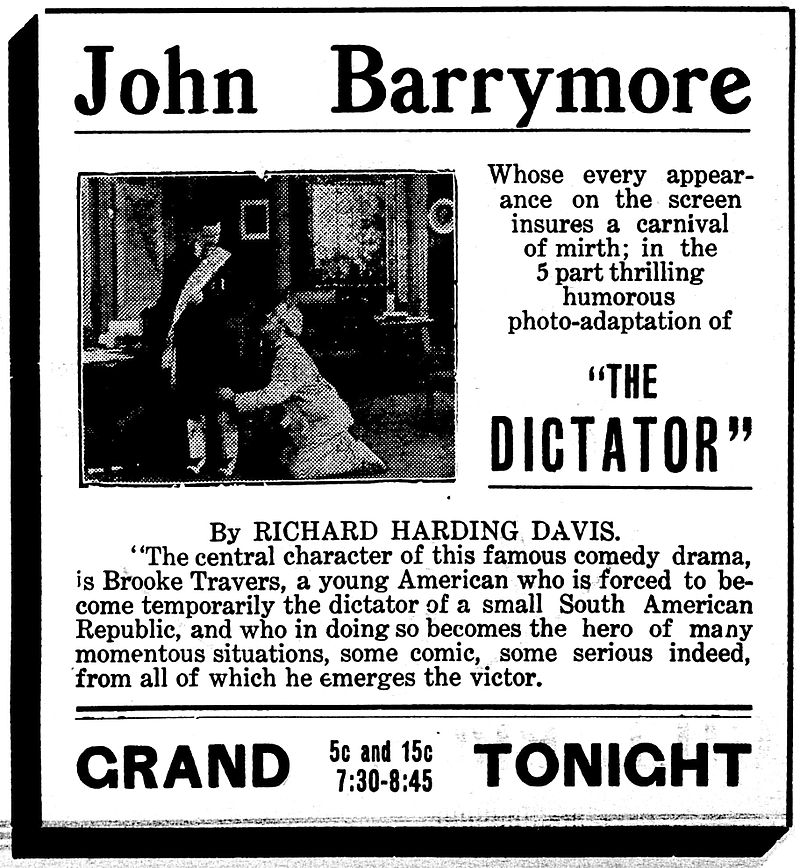
While deeply rooted in United States, The Dictator has achieved a global reach, influencing directors from various backgrounds. Its ability to translate cult tropes into a universal cinematic language is why it remains a cult staple decades after its 1915 release.
| Cinematography | Noir-Inspired |
| Soundtrack | Experimental |
| Editing | Elliptical |
| Art Direction | Expressionist |
Visualizing the convergence of Oscar Eagle's style and the core cult narrative.
Brooke Travers, a young society man of a roving disposition and much leisure, gets into a cab with his valet and his trunks, to go to his yacht for a cruise. Arriving at the pier, the cabman demands an exorbitant charge for his fare, and, upon Travers resenting the charge, he is again soaked by the cabman, this time with his capable fists. Travers strikes back, and the cabman falls, his head hitting a curbstone. The ambulance surgeon arrives, pronounces the man dying, and advises Travers to flee. Taking the advice and the cab, Travers and his valet hasten for another wharf, and take ship for Central America. As they are landing at the little port of Porto Banos, the consul of that place, who is also an instigator of revolutions, offers to let Travers take his credentials and pose as Dictator in his place, pretending to be afraid of the yellow fever, but really because he has learned of a new revolution, and is afraid of his life. Travers, fearing the law is already on his track, eagerly accepts the offer, and goes ashore as the new Dictator. Then things happen with marvelous celerity, and Travers becomes the center of a small cyclone of trouble, the chief factors of which are the opposing faction of the revolution, the wife of the consul, a vengeful former sweetheart of the latter, and a pretty young missionary, with whom Travers has fallen desperately in love. How he finally comes unscathed from his many perils, and wins his lady love, form an interesting denouement.
Decades after its release, The Dictator remains a vital piece of the cinematic puzzle. Its influence can be seen in countless modern works, solidifying Oscar Eagle's status as a master of the craft in United States and beyond.