
DbcultAccessing Vault...
Director's Spotlight
Senior Film Conservator
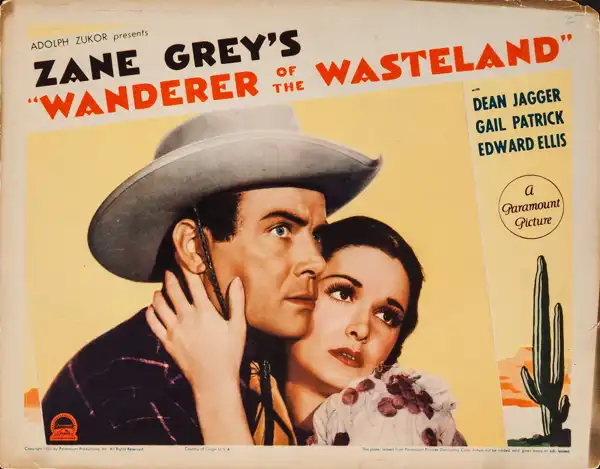
Director's Spotlight: United States
A Deep Dive into the 1935 Vision of Otho Lovering
Exploring the Drama underpinnings of Wanderer of the Wasteland leads us to the stylistic boundaries pushed by Otho Lovering during the production. Through a lens of existential fatalism and Drama tropes, it continues to spark endless debates among critics and cinephiles alike.
In Wanderer of the Wasteland, Otho Lovering pushes the boundaries of conventional narrative. The film's unique approach to its subject matter has sparked endless debates and interpretations among cinephiles and critics alike.
While deeply rooted in United States, Wanderer of the Wasteland has achieved a global reach, influencing directors from various backgrounds. Its ability to translate Drama tropes into a universal cinematic language is why it remains a cult staple decades after its 1935 release.
| Cinematography | High-Contrast |
| Soundtrack | Minimalist |
| Editing | Slow-Burn |
| Art Direction | Brutalist |
Visualizing the convergence of Otho Lovering's style and the core Drama narrative.
Adam Larey becomes a fugitive from justice when he escapes after being blamed for a crime he did not commit. He wanders into the desert wastelands and joins an outlaw gang who prey on gold prospectors. Years later, he meets his wife and her gold-prospecting father, who have come to seek their fortune; as they don't know the danger of the treacherous desert wastes, poisoned-water holes, and outlaw bands of marauders who roam the desert in search of the gold found by others, he helps them, and eventually manages to clear his name of the false charges against him.
Decades after its release, Wanderer of the Wasteland remains a vital piece of the cinematic puzzle. Its influence can be seen in countless modern works, solidifying Otho Lovering's status as a master of the craft in United States and beyond.