
DbcultAccessing Vault...
Director's Spotlight
Senior Film Conservator
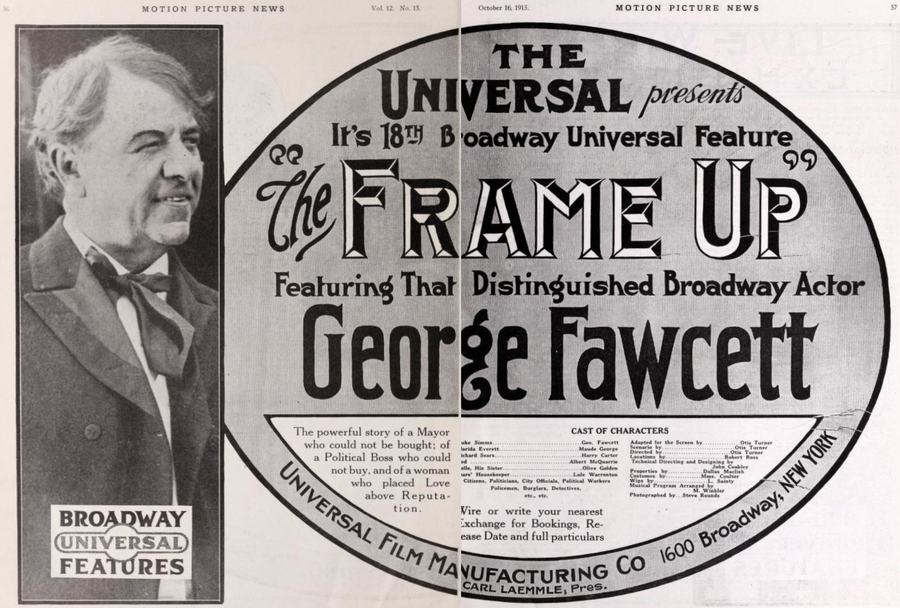
Director's Spotlight: United States
A Deep Dive into the 1915 Vision of Otis Turner
Few works in United States cinema carry the same weight as The Frame-Up, especially regarding the technical innovation that Otis Turner introduced to the cult format. Subverting the expectations of the typical 1915 audience, it bridges the gap between traditional cult and contemporary vision.
In The Frame-Up, Otis Turner pushes the boundaries of conventional narrative. The film's unique approach to its subject matter has sparked endless debates and interpretations among cinephiles and critics alike.
While deeply rooted in United States, The Frame-Up has achieved a global reach, influencing directors from various backgrounds. Its ability to translate cult tropes into a universal cinematic language is why it remains a cult staple decades after its 1915 release.
| Cinematography | Noir-Inspired |
| Soundtrack | Synth-Heavy |
| Editing | Disjunctive |
| Art Direction | Baroque |
Visualizing the convergence of Otis Turner's style and the core cult narrative.
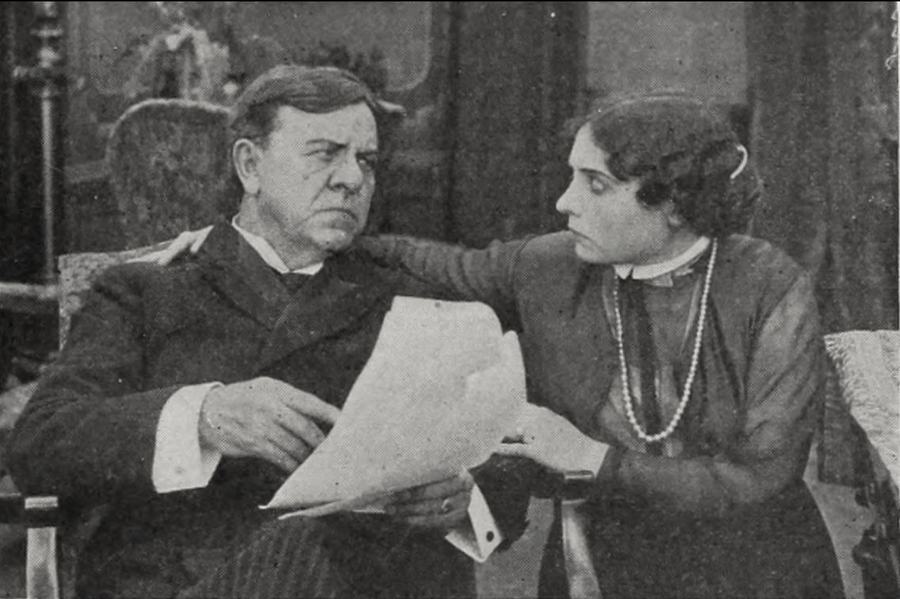
Luke Simms is an honest politician: He is as charitable as he is honest and his greatest pleasure is found in giving excursions to the poor little ones of the slums. The nomination for mayor is refused by Franz Hargraves, on the score that he believes he would be expected to sign away the people's rights in favor of the Electric Company. Simms is nominated and finally elected, after declaring himself in favor of the people. Richard Sears, the leader of the corruptionists, presents a fraudulent bill to the mayor, who refuses to sign it. Sears then decides to get the ordinance passed by working on Simms' weak spot. Calling upon the mayor, Sears learns how the former's sweetheart was killed in trying to avoid running down a child while she was riding in an auto with him. Believing that he has found the mayor's weakness, that of his love of children; Sears returns home and tells his mistress, Florida Everett, that she must get acquainted with Simms and eventually marry him. Florida, a good woman at heart, longs for a decent, wholesome existence, and Sears tells her this is her chance to get it. Plans are laid to entrap Simms. The scheme works and Florida and Simms are married, and are living happily. Meanwhile Sears' stenographer, Nell, whom he has betrayed, gives birth to a child which dies a few days later. Under the assumption that he has now got the honest mayor in his power, Sears again presents the crooked ordinance, but again Simms refuses to sign it. The corruptionist then commands Florida to induce her husband to honor the measure, but she begs to be left alone. Sears threatens to expose her and she tries to get her husband to sign the bill, but he refuses. Learning of her failure, Sears sends her a telegram to meet him that night at Ardsleigh Towers, and signs it Ned Harter, who is secretary to the mayor and brother of Nell, the betrayed girl. Florida finds herself trapped, and she is kept there all night. When the mayor again refuses to sign the bill, Sears threatens to expose his wife. The corruptionist tells the mayor to find out where his wife spent the preceding night. Angered, Simms questions Florida closely, and in her anguish and fear, she begs him not to go to Sears. This decides him and he departs with vengeance in his heart. In the meantime Nell has returned to her brother. Ned drags the truth from her. He steals into Sears' home and, finding a revolver in a table drawer, extracts the cartridges and replaces the weapon, determined that his victim shall not have even a dog's chance. He secretes himself behind a curtain and hears Sears entering, and is about to shoot when the maid comes in. Simms calls and informs Sears to keep his wife's name out of their affairs. A fight starts, and just as Sears is about to stab Simms, who has the empty revolver pointed at the crook and who pulls the trigger, Ned fires unseen by the others and Sears is killed. Simms thinks he has killed him, and giving away to his grief, tries to revive Sears, and does not see the youth steal from the curtain, grab up the empty revolver and leave. Simms is arrested and indicted for murder in the first degree. Against his command, Florida takes the stand and bares her life. She relates how Sears deceived her when she was young and innocent, and of her continued bad life until she met her husband. The jury releases Simms, who, horrified at the thought of being a murderer, resolves to part from his wife, whom he reverences more than before. He does not consider himself worthy of her. Officer Ryan, ambitious for promotion, and suspecting Ned knows more than has been brought out, follows him and learns enough to make him suspicious. Simms has returned home and is preparing to leave. Officer Ryan follows Ned to Simms' house. Ned becomes alarmed and takes to the roof. Just as Simms is leaving, Ned rushes in, wounded and bleeding from the revolver of his pursuer, and confesses that he killed Sears. Ned dies and Florida and Luke are reunited.
Decades after its release, The Frame-Up remains a vital piece of the cinematic puzzle. Its influence can be seen in countless modern works, solidifying Otis Turner's status as a master of the craft in United States and beyond.