
DbcultAccessing Vault...
Director's Spotlight
Senior Film Conservator
Director's Spotlight: United States
A Deep Dive into the 1915 Vision of Otis Turner
Witnessing the stylistic transformation of cult through The Scarlet Sin reveals the global recognition that Otis Turner garnered after the release of The Scarlet Sin. Serving as a mirror to the anxieties of a changing world, offering layers of thematic complexity that demand repeated viewing.
In The Scarlet Sin, Otis Turner pushes the boundaries of conventional narrative. The film's unique approach to its subject matter has sparked endless debates and interpretations among cinephiles and critics alike.

In this work, Otis Turner explores the intersection of cult and United States cultural identity. The meticulous attention to detail suggests a deep-seated commitment to pushing the boundaries of the medium, ensuring that The Scarlet Sin remains a relevant topic of study for cult enthusiasts.
| Cinematography | Noir-Inspired |
| Soundtrack | Minimalist |
| Editing | Disjunctive |
| Art Direction | Baroque |
Visualizing the convergence of Otis Turner's style and the core cult narrative.
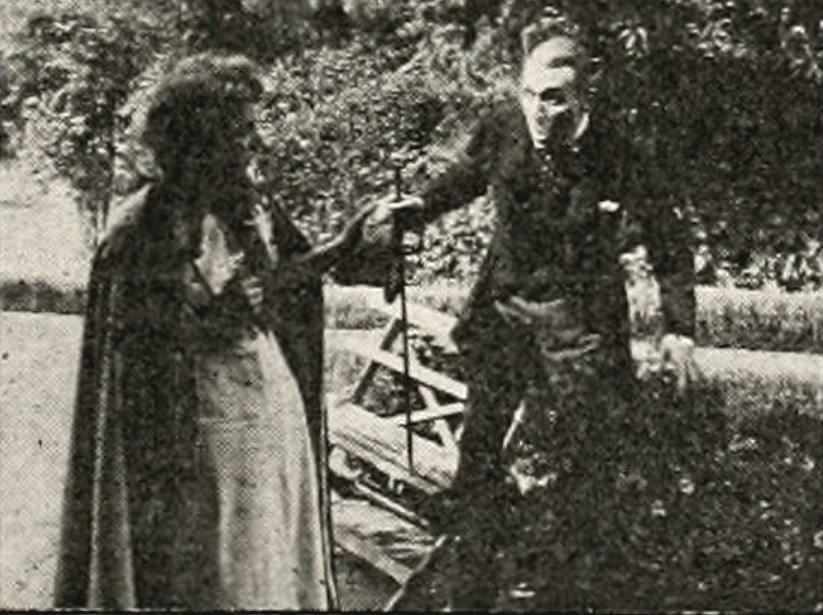
Reverend Eric Norton leaves his position in a fashionable New York congregation to preach in a poor mining town, against the wishes of his wife Cecelia. Disputes rage about the safety of the mines, which have been closed under pressure, but in spite of threats from powerful miner "Bull" Morgan, Eric uses his influence with the owner to reopen the mines. Bored with her drab life, Cecelia deserts her infant son and runs off to Paris with former lover Richard Allen, who eventually leaves her. Penitent, Cecelia decides to return home only to find that her husband, believing her dead after reading about her apparent suicide in a newspaper, has married Edith Jackson, his ward. Bull Morgan attempts to blow up the mines but is buried in the explosion instead. Sneaking into her home for a last look at her son, Cecelia accidentally sets the house on fire. After a brave rescue of the baby, Cecelia begs Eric's forgiveness, then dies.
Decades after its release, The Scarlet Sin remains a vital piece of the cinematic puzzle. Its influence can be seen in countless modern works, solidifying Otis Turner's status as a master of the craft in United States and beyond.