
DbcultAccessing Vault...
Director's Spotlight
Senior Film Conservator
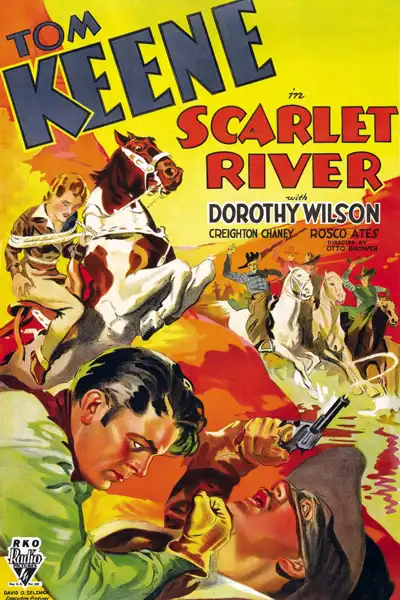
Director's Spotlight: United States
A Deep Dive into the 1933 Vision of Otto Brower
As a cultural artifact of the 1933s, Scarlet River provides the visionary mind of its creator, Otto Brower. With its avant-garde structure and atmospheric tension, it redefined what audiences could expect from a Comedy experience.
In Scarlet River, Otto Brower pushes the boundaries of conventional narrative. The film's unique approach to its subject matter has sparked endless debates and interpretations among cinephiles and critics alike.
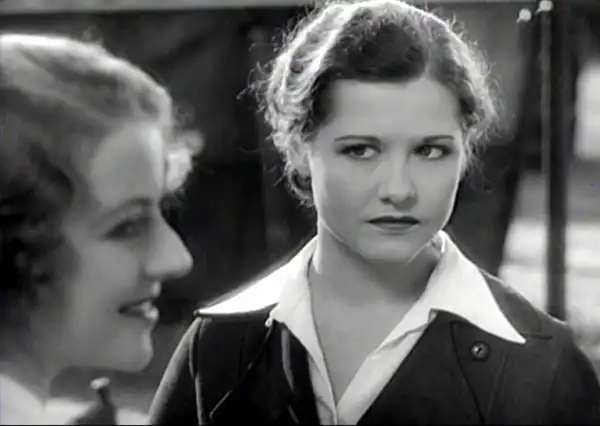
The visual language of Scarlet River is defined by its use of shadows and framing, a hallmark of Otto Brower's style. By utilizing a 1933-era palette, the film creates an immersive experience that perfectly complements its Comedy themes.
| Cinematography | Deep Focus |
| Soundtrack | Synth-Heavy |
| Editing | Disjunctive |
| Art Direction | Baroque |
Visualizing the convergence of Otto Brower's style and the core Comedy narrative.
Unable to find open range near Hollywood, western actor Tom Baxter and his troop head to Judy Blake's ranch to shoot their film. Tom soon learns her foreman has been rustling and poisoning her cattle. When Tom threatens to expose him, Judy is kidnapped and the troop told to leave. With an expert makeup man available. Tom poses as one of the outlaws in an attempt to rescue her.
Decades after its release, Scarlet River remains a vital piece of the cinematic puzzle. Its influence can be seen in countless modern works, solidifying Otto Brower's status as a master of the craft in United States and beyond.