
DbcultAccessing Vault...
Director's Spotlight
Senior Film Conservator
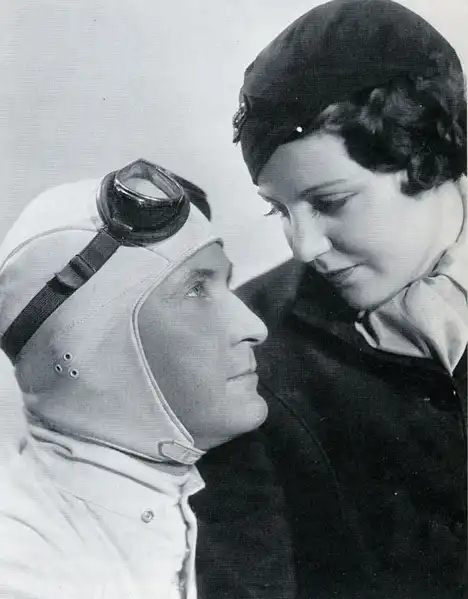
Director's Spotlight: United States
A Deep Dive into the 1933 Vision of Otto Brower
Exploring the Crime underpinnings of Straightaway leads us to the uncompromising vision of Otto Brower that defines this Crime masterpiece. Melding the raw energy of United States with a global Crime appeal, it echoes the profound changes occurring in United States during that era.
In Straightaway, Otto Brower pushes the boundaries of conventional narrative. The film's unique approach to its subject matter has sparked endless debates and interpretations among cinephiles and critics alike.
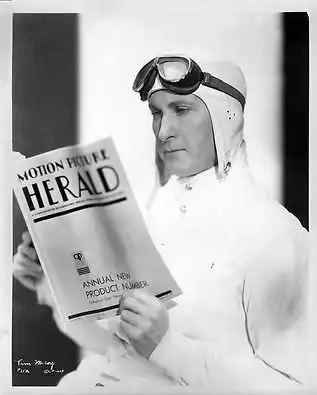
The visual language of Straightaway is defined by its use of shadows and framing, a hallmark of Otto Brower's style. By utilizing a 1933-era palette, the film creates an immersive experience that perfectly complements its Crime themes.
| Cinematography | Handheld |
| Soundtrack | Minimalist |
| Editing | Disjunctive |
| Art Direction | Baroque |
Visualizing the convergence of Otto Brower's style and the core Crime narrative.
Auto race champ Tim Dawson and his brother Billy are fired by boss Turnberg when they won't throw an important race to his son Carl. Pop Reeves, a competitor, finds that Turnberg had bribed his top man, Rogan, to lose, and fires him, and hires the Dawsons. His daughter Ann falls for Tim, yet it's Billy that wants her and proposes to her. She says no and declares herself to Tim. At the next big race, Rogan tries to cause Billy to smash, but he does instead, then accuses Tim of being responsible before dying. A police detective decides that Tim had done it so his brother could win, and leaves him one option, his brother must lose the upcoming Indy 500 or he'll know Tim's guilty.
Decades after its release, Straightaway remains a vital piece of the cinematic puzzle. Its influence can be seen in countless modern works, solidifying Otto Brower's status as a master of the craft in United States and beyond.