
DbcultAccessing Vault...
Director's Spotlight
Senior Film Conservator
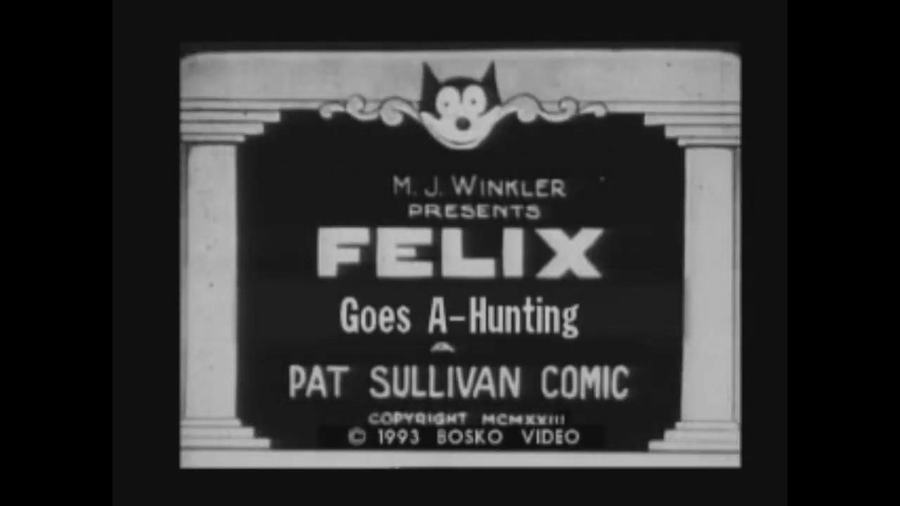
Director's Spotlight: United States
A Deep Dive into the 1923 Vision of Otto Messmer
The evocative power of Felix Goes A-Hunting stems from the unique collaboration between the bold experimentation that has become synonymous with Otto Messmer. Framed by the hauntingly beautiful landscapes of the production, it echoes the profound changes occurring in United States during that era.
In Felix Goes A-Hunting, Otto Messmer pushes the boundaries of conventional narrative. The film's unique approach to its subject matter has sparked endless debates and interpretations among cinephiles and critics alike.
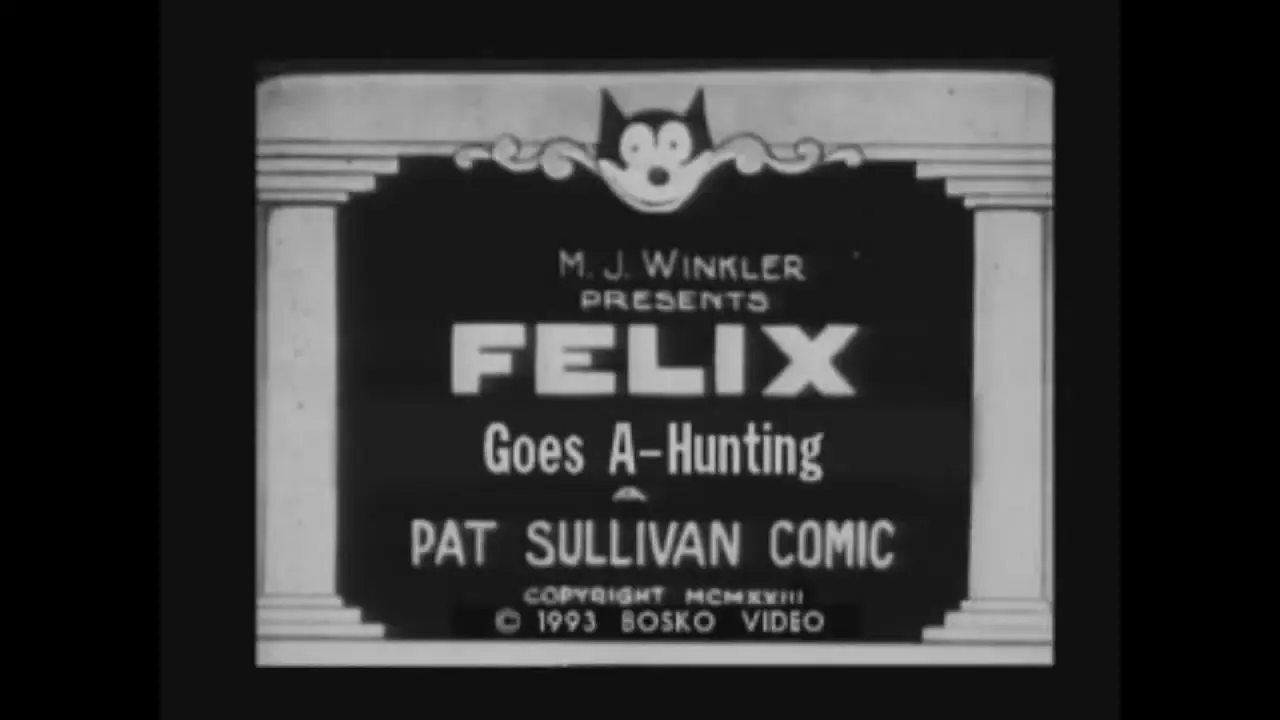
To fully appreciate Felix Goes A-Hunting, one must consider the cinematic climate of 1923. During this period, United States was undergoing significant artistic shifts, and Otto Messmer was at the forefront of this Comedy movement, often challenging established norms.
| Cinematography | Noir-Inspired |
| Soundtrack | Experimental |
| Editing | Elliptical |
| Art Direction | Expressionist |
Visualizing the convergence of Otto Messmer's style and the core Comedy narrative.
A wife throws her husband out of the house, telling him not to return unless he brings her a fur coat. Deciding that the only way he'll get one is to make his own, he grabs his rifle and goes hunting. All his efforts fail, though, until he meets Felix, who offers to help him shoot rabbits, and impresses the man with his marksmanship skills. However, it turns out that shooting the rabbits isn't quite as easy as they thought it would be.
Decades after its release, Felix Goes A-Hunting remains a vital piece of the cinematic puzzle. Its influence can be seen in countless modern works, solidifying Otto Messmer's status as a master of the craft in United States and beyond.