
DbcultAccessing Vault...
Director's Spotlight
Senior Film Conservator
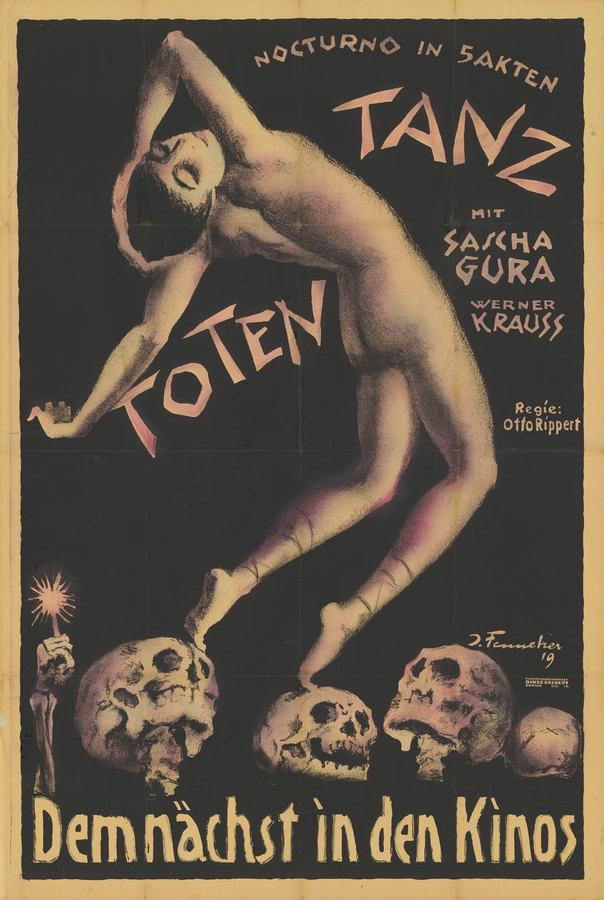
Director's Spotlight: Austria
A Deep Dive into the 1919 Vision of Otto Rippert
To understand the modern evolution of Austria film, one must first look at The Dance of Death and the collaborative alchemy between Otto Rippert and the 1919 creative team. Subverting the expectations of the typical 1919 audience, it remains a vital reference point for anyone studying the evolution of Otto Rippert.
In The Dance of Death, Otto Rippert pushes the boundaries of conventional narrative. The film's unique approach to its subject matter has sparked endless debates and interpretations among cinephiles and critics alike.
To fully appreciate The Dance of Death, one must consider the cinematic climate of 1919. During this period, Austria was undergoing significant artistic shifts, and Otto Rippert was at the forefront of this cult movement, often challenging established norms.
| Cinematography | Static |
| Soundtrack | Synth-Heavy |
| Editing | Disjunctive |
| Art Direction | Baroque |
Visualizing the convergence of Otto Rippert's style and the core cult narrative.
In this apparently lost film, a beautiful dancer's sexual allure is used by an evil cripple to entice men to their deaths. Falling in love with one of the potential victims, she is told by the cripple that he will set her free if her lover, actually a murderer himself, survives and escapes a bizarre labyrinthe which runs beneath the cripple's house.
Decades after its release, The Dance of Death remains a vital piece of the cinematic puzzle. Its influence can be seen in countless modern works, solidifying Otto Rippert's status as a master of the craft in Austria and beyond.