
DbcultAccessing Vault...
Director's Spotlight
Senior Film Conservator
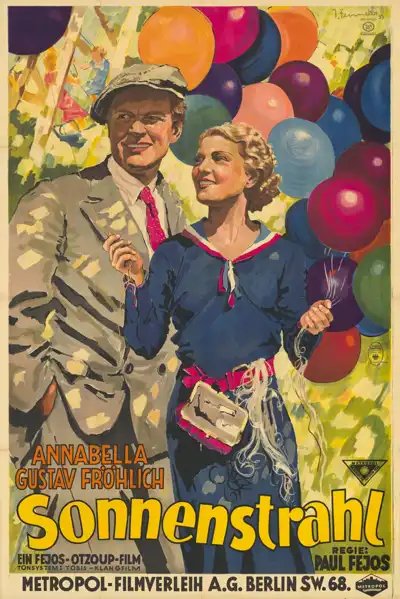
Director's Spotlight: Germany
A Deep Dive into the 1933 Vision of Pál Fejös
Witnessing the stylistic transformation of Drama through Ray of Sunshine reveals the provocative questions that Pál Fejös poses to the Germany audience. Exploring the nuances of the human condition with Drama flair, it showcases the power of Drama as a tool for social commentary.
In Ray of Sunshine, Pál Fejös pushes the boundaries of conventional narrative. The film's unique approach to its subject matter has sparked endless debates and interpretations among cinephiles and critics alike.
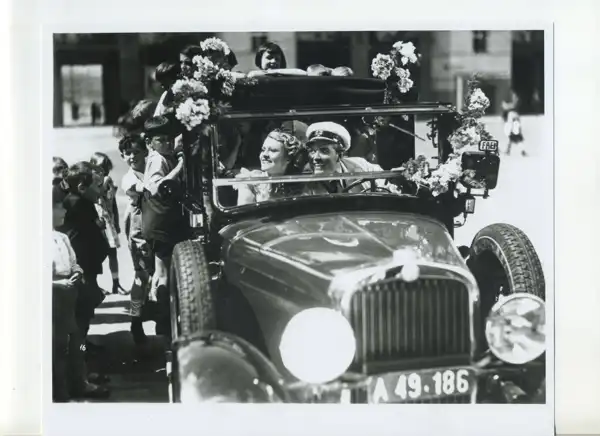
While deeply rooted in Germany, Ray of Sunshine has achieved a global reach, influencing directors from various backgrounds. Its ability to translate Drama tropes into a universal cinematic language is why it remains a cult staple decades after its 1933 release.
| Cinematography | High-Contrast |
| Soundtrack | Experimental |
| Editing | Elliptical |
| Art Direction | Expressionist |
Visualizing the convergence of Pál Fejös's style and the core Drama narrative.
Vienna, at the height of the Great Depression. Like so many others, Hans has no work, no money, nowhere to live. Having lost his livelihood as a taxi driver, he decides that the only solution is to kill himself. But just as he is about to drown himself, he sees a young woman dive into the river, obviously with the same intention. Without a thought, Hans pulls the woman out of the water and does his best to comfort her. Her name is Anna and she is only 18, but like Hans she no longer has the strength to go on living.
Decades after its release, Ray of Sunshine remains a vital piece of the cinematic puzzle. Its influence can be seen in countless modern works, solidifying Pál Fejös's status as a master of the craft in Germany and beyond.