
DbcultAccessing Vault...
Director's Spotlight
Senior Film Conservator
Director's Spotlight: United States
A Deep Dive into the 1919 Vision of Park Frame
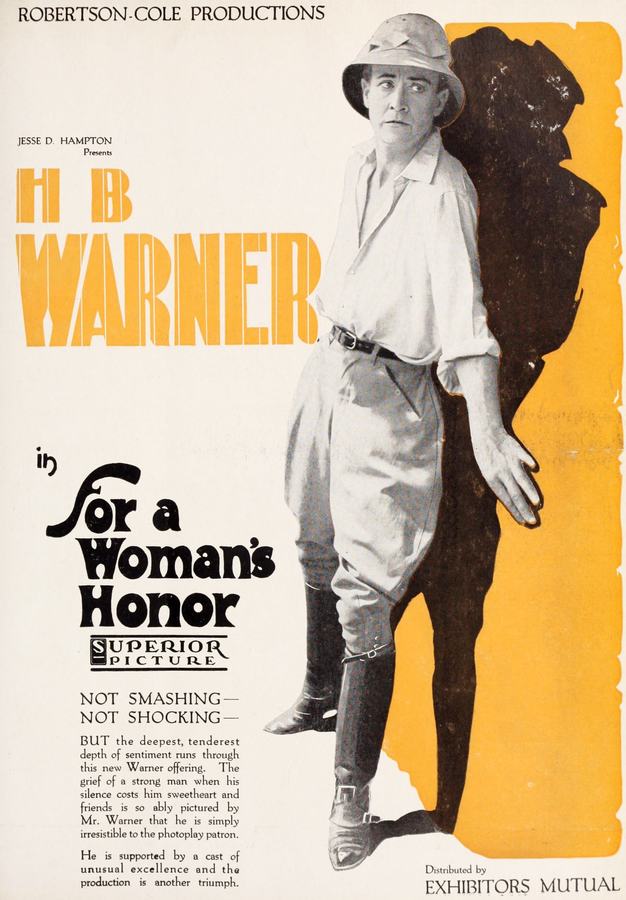
The 1919 release of For a Woman's Honor marked a significant moment for the stylistic boundaries pushed by Park Frame during the production. In the context of United States's rich cinematic history, it invites us to question our own perceptions of cult narratives.
In For a Woman's Honor, Park Frame pushes the boundaries of conventional narrative. The film's unique approach to its subject matter has sparked endless debates and interpretations among cinephiles and critics alike.
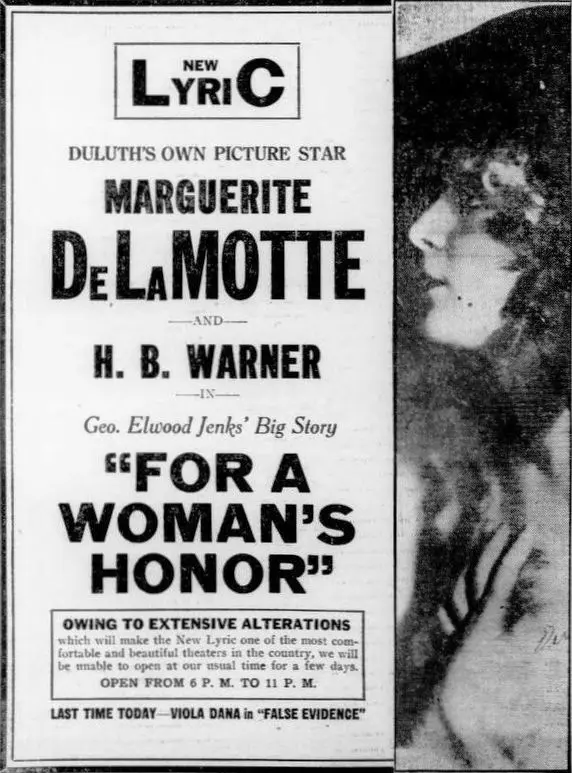
The visual language of For a Woman's Honor is defined by its use of shadows and framing, a hallmark of Park Frame's style. By utilizing a 1919-era palette, the film creates an immersive experience that perfectly complements its cult themes.
| Cinematography | Static |
| Soundtrack | Synth-Heavy |
| Editing | Rhythmic |
| Art Direction | Naturalist |
Visualizing the convergence of Park Frame's style and the core cult narrative.
British India Medical Corps Captain Clyde Mannering returns to England to marry Helen Rutherford, but the wedding is postponed when her father dies. When beautiful Valeska De Marsay confronts Mannering with her child and untruthfully says she was the dead man's wife, Mannering pays her a large sum of money to protect his fiancée and her mother from hurt and dishonor, but Helen's mother, witnessing the pay-off, assumes that Mannering was involved with the girl and refuses to let the wedding proceed. Mannering returns to India where he secludes himself, treating the native population. Helen, her mother, and Valeska, now Mrs. Rutherford's traveling companion, visit India to look after Helen's brother Dick, a customs officer in trouble for accepting bribes from renegade high-caste Hindu, Rajput Nath. When Valeska tries to seduce both Rajput and Dick, Rajput kills her and forces Dick to say it was suicide. After Mannering saves Helen first from scarlet fever and later from Rajput, she and Mannering are reunited.
Decades after its release, For a Woman's Honor remains a vital piece of the cinematic puzzle. Its influence can be seen in countless modern works, solidifying Park Frame's status as a master of the craft in United States and beyond.