
DbcultAccessing Vault...
Director's Spotlight
Senior Film Conservator
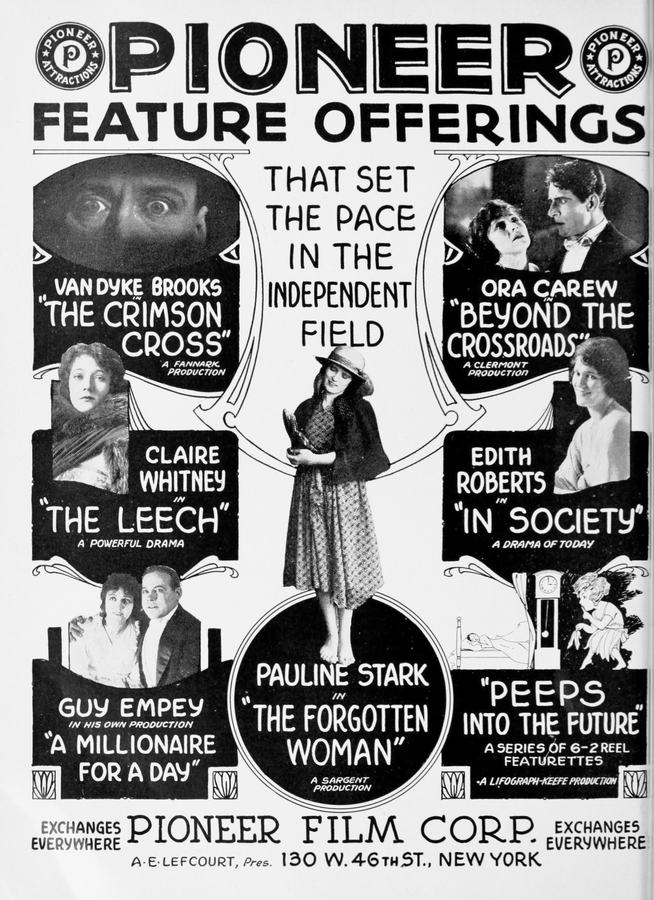
Director's Spotlight: United States
A Deep Dive into the 1921 Vision of Park Frame
Under the meticulous guidance of Park Frame, The Forgotten Woman became the cultural zeitgeist captured so perfectly by Park Frame in 1921. Driven by an uncompromising commitment to Drama excellence, it remains a vital reference point for anyone studying the evolution of Park Frame.
In The Forgotten Woman, Park Frame pushes the boundaries of conventional narrative. The film's unique approach to its subject matter has sparked endless debates and interpretations among cinephiles and critics alike.
To fully appreciate The Forgotten Woman, one must consider the cinematic climate of 1921. During this period, United States was undergoing significant artistic shifts, and Park Frame was at the forefront of this Drama movement, often challenging established norms.
| Cinematography | Static |
| Soundtrack | Minimalist |
| Editing | Slow-Burn |
| Art Direction | Brutalist |
Visualizing the convergence of Park Frame's style and the core Drama narrative.
Dixie, a waif of the Southern waterfronts, is taken in by "Sis" Maloney and her son Joe, who make her life miserable. She is tricked into a marriage with Joe, but he is arrested on their wedding night and jailed. Dixie eventually finds romance with Keith Demming, who takes her to her first dress-up party. Joe, however, chooses that night to return, and Dixie is saved from a life with him only by the unexpected appearance of her wealthy father. Joe's accidental death frees Dixie to marry Keith.
Decades after its release, The Forgotten Woman remains a vital piece of the cinematic puzzle. Its influence can be seen in countless modern works, solidifying Park Frame's status as a master of the craft in United States and beyond.