
DbcultAccessing Vault...
Director's Spotlight
Senior Film Conservator
Director's Spotlight: United States
A Deep Dive into the 1919 Vision of Park Frame
Analyzing The Pagan God (1919) requires a deep dive into the unique directorial voice that Park Frame brought to the screen. By challenging the status quo of 1919 cinema, it continues to spark endless debates among critics and cinephiles alike.
In The Pagan God, Park Frame pushes the boundaries of conventional narrative. The film's unique approach to its subject matter has sparked endless debates and interpretations among cinephiles and critics alike.
In this work, Park Frame explores the intersection of cult and United States cultural identity. The meticulous attention to detail suggests a deep-seated commitment to pushing the boundaries of the medium, ensuring that The Pagan God remains a relevant topic of study for cult enthusiasts.
| Cinematography | Static |
| Soundtrack | Minimalist |
| Editing | Slow-Burn |
| Art Direction | Brutalist |
Visualizing the convergence of Park Frame's style and the core cult narrative.
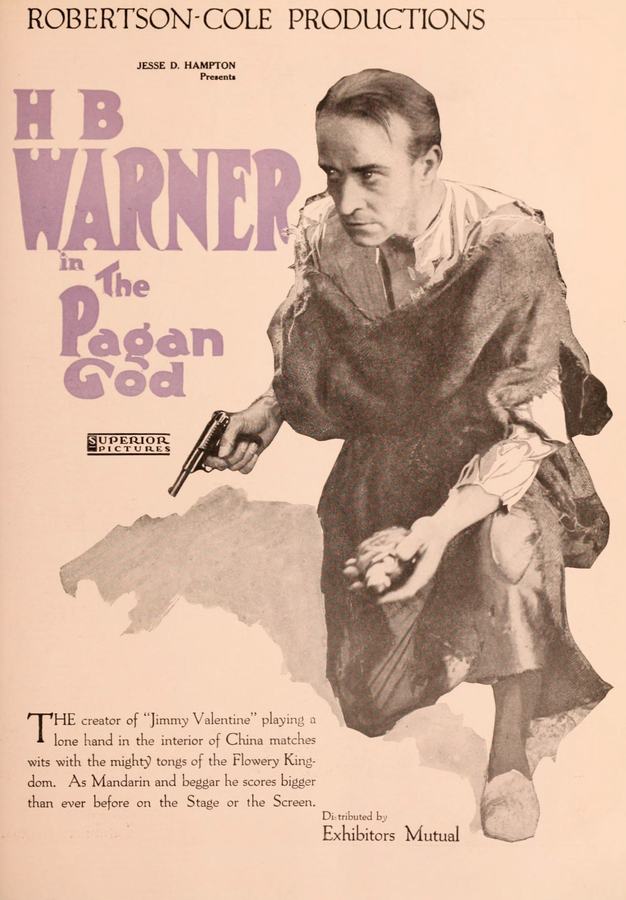
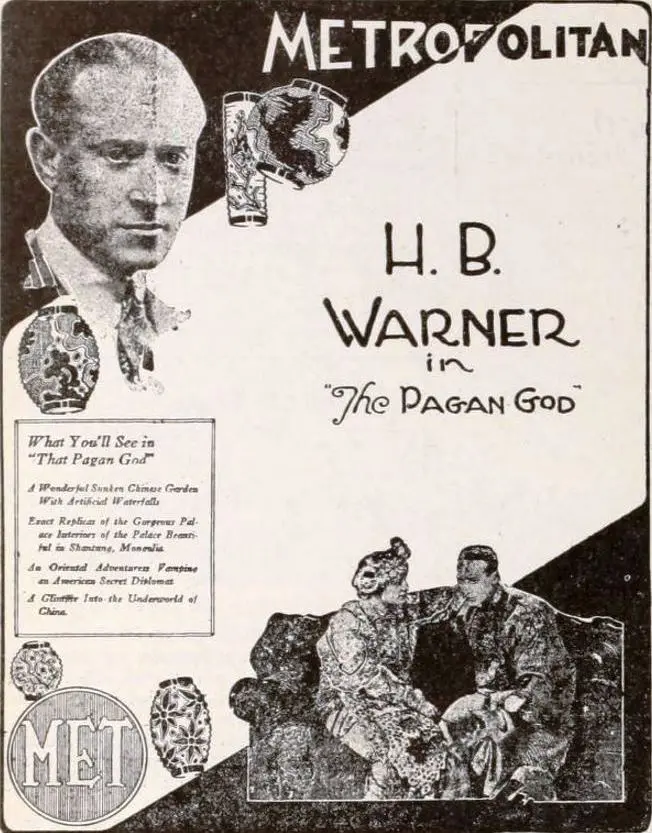
Bruce Winthrop, disguised as a clerk in the American consulate near the Mongolian border, is actually a secret United States government operative sent to quell a Chinese rebellion led by Tai Chen. His fiancée, Beryl Addison, the daughter of an antique collector, unaware of his mission, cannot understand why Bruce is so attentive to the seductive Tai, and calls off the engagement. Bruce accepts Tai's offer of a position in the interior of Mongolia and learns of revolutionary plans to put Tai on the throne. Tai confesses her love for Bruce and offers him a high position. Bruce succeeds in reading the secret list of revolutionaries, but when the list gets in the hands of Beryl's father, he and Beryl are captured and threatened with death. Bruce rescues them, and the revolutionaries return home. In the end, Tai kills herself, and Winthrop and Beryl are reunited.
Decades after its release, The Pagan God remains a vital piece of the cinematic puzzle. Its influence can be seen in countless modern works, solidifying Park Frame's status as a master of the craft in United States and beyond.