
DbcultAccessing Vault...
Director's Spotlight
Senior Film Conservator
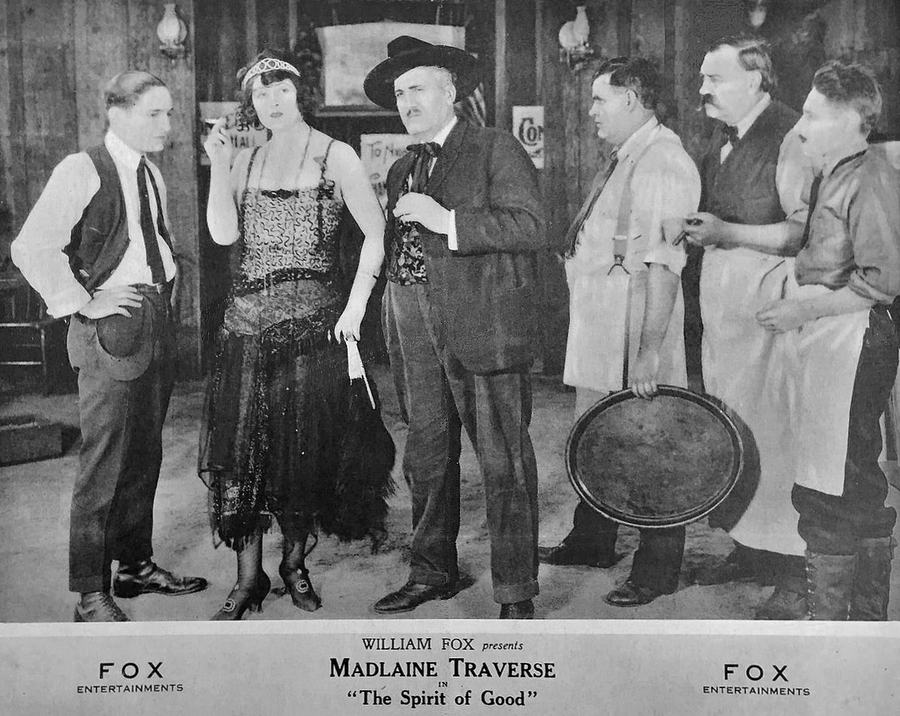
Director's Spotlight: United States
A Deep Dive into the 1920 Vision of Paul Cazeneuve
Analyzing The Spirit of Good (1920) requires a deep dive into the defining moment in Drama history that Paul Cazeneuve helped create. Defining a new era of United States artistic expression, it transcends regional boundaries to tell a universal story.
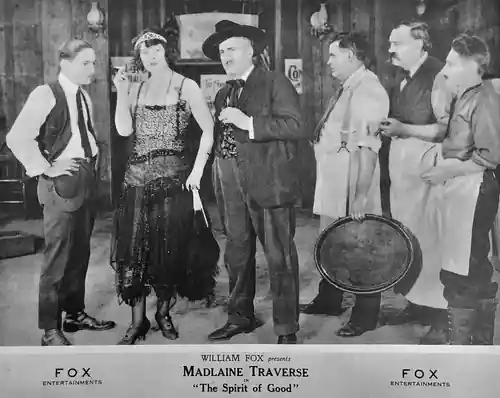
In The Spirit of Good, Paul Cazeneuve pushes the boundaries of conventional narrative. The film's unique approach to its subject matter has sparked endless debates and interpretations among cinephiles and critics alike.
| Cinematography | Deep Focus |
| Soundtrack | Minimalist |
| Editing | Disjunctive |
| Art Direction | Baroque |
Visualizing the convergence of Paul Cazeneuve's style and the core Drama narrative.
Deserted by her husband, showgirl Nell Gordon ventures West to a small desert town where she works in Chuck Lang's dance hall. When Reverend Josiah Calvin comes to town to spread the gospel, Nell and Lang, feeling their livelihood threatened, scheme to put the reverend out of business. Nell pretends to join forces with the reverend and, while fervently singing a hymn, she converts an embittered and disbelieving Neal Bradford who, inspired, falls in love with Nell. The singer is so touched by Bradford's faith that she joins forces with him and the reverend against Lang. After several skirmishes, good overcomes evil and the two converts begin a new life together.
Decades after its release, The Spirit of Good remains a vital piece of the cinematic puzzle. Its influence can be seen in countless modern works, solidifying Paul Cazeneuve's status as a master of the craft in United States and beyond.