
DbcultAccessing Vault...
Director's Spotlight
Senior Film Conservator
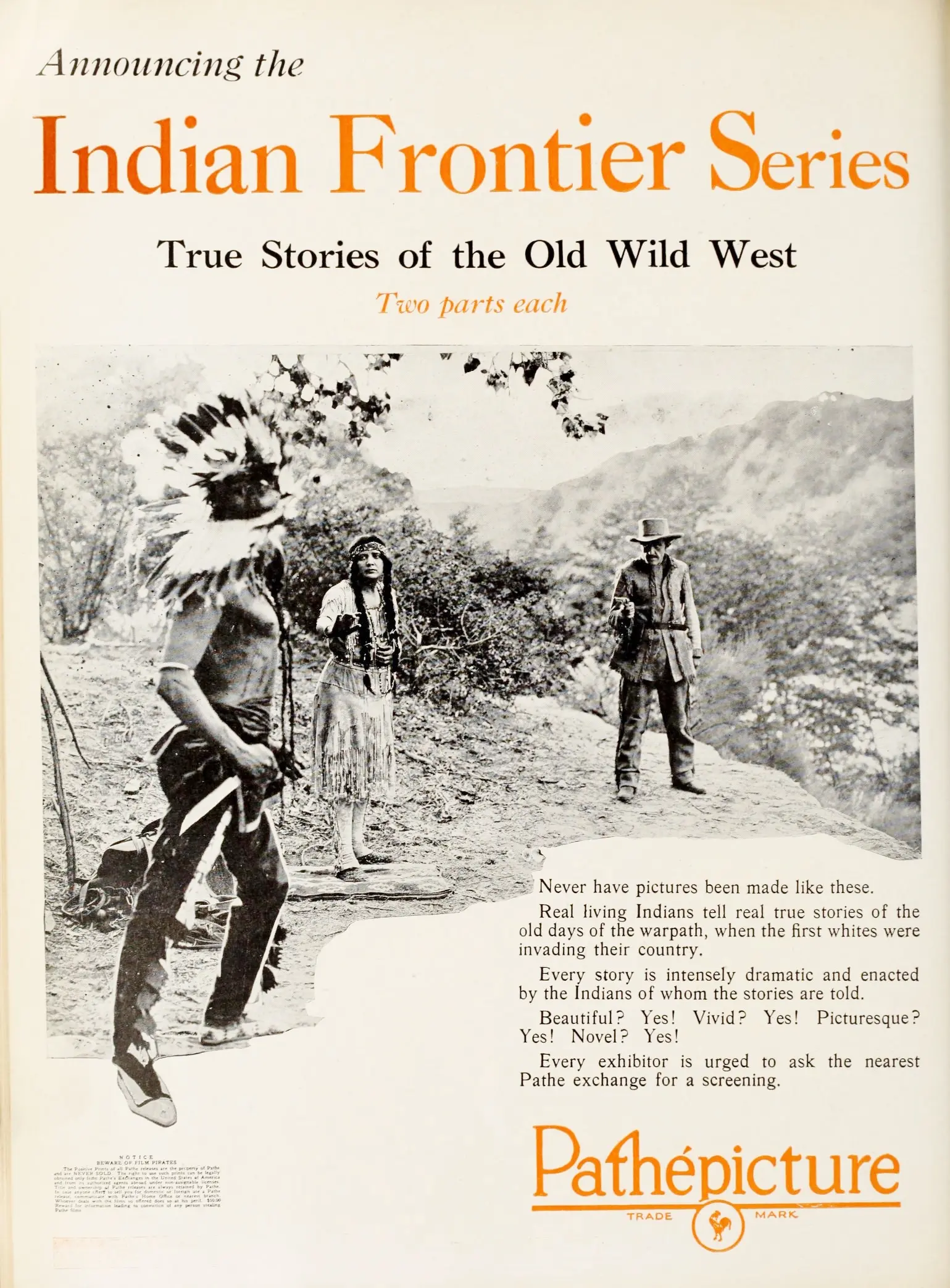
Director's Spotlight: United States
A Deep Dive into the 1924 Vision of Paul Hurst
As a cultural artifact of the 1924s, The Man Who Smiled provides the global recognition that Paul Hurst garnered after the release of The Man Who Smiled. Elevating the source material through Paul Hurst's unique vision, it solidifies Paul Hurst's reputation as a master of the craft.
In The Man Who Smiled, Paul Hurst pushes the boundaries of conventional narrative. The film's unique approach to its subject matter has sparked endless debates and interpretations among cinephiles and critics alike.
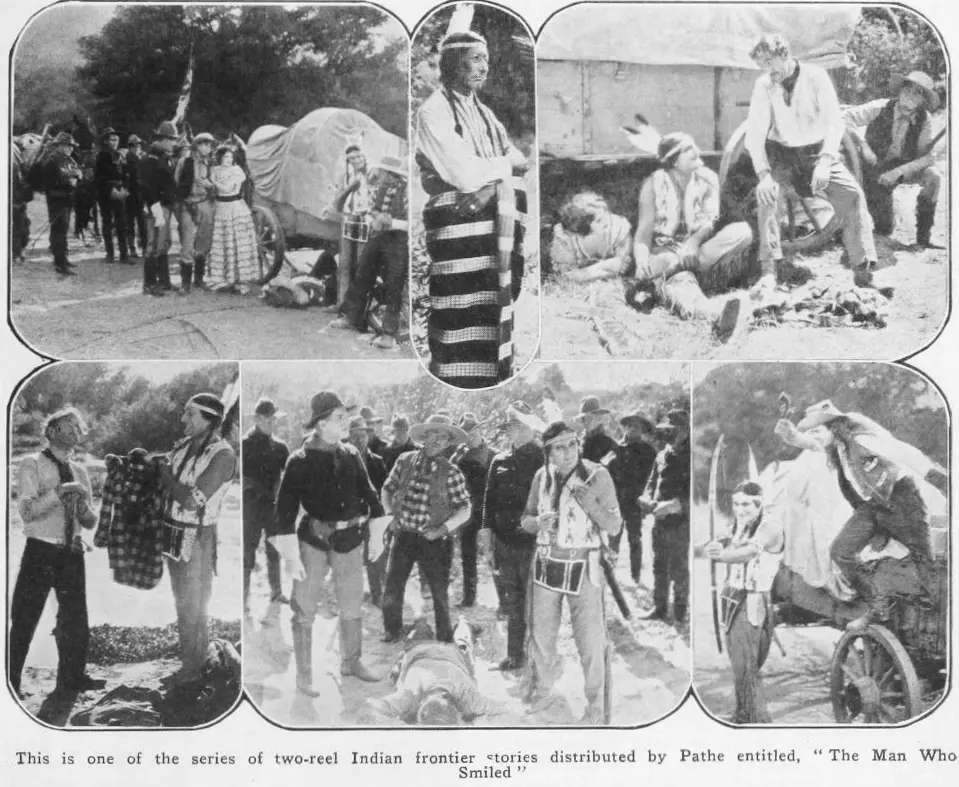
The visual language of The Man Who Smiled is defined by its use of shadows and framing, a hallmark of Paul Hurst's style. By utilizing a 1924-era palette, the film creates an immersive experience that perfectly complements its Western themes.
| Cinematography | Handheld |
| Soundtrack | Synth-Heavy |
| Editing | Disjunctive |
| Art Direction | Baroque |
Visualizing the convergence of Paul Hurst's style and the core Western narrative.
An old chief of the peaceful tribe of Arapahoes tells a tale of a friend of his youth who was a scout with the famous Seventh Cavalry in Wyoming. A pioneer bound for California with his daughter was attacked by a white renegade and his Indian allies. The "Man Who Smiled" used the strategy of his race and helped to rescue the travelers. He was shot but still smiled and did not give up until the girl was restored to her lover, the First Lieutenant of the Seventh. An interesting story of friendship between Indian and white man in the early days of the West.
Decades after its release, The Man Who Smiled remains a vital piece of the cinematic puzzle. Its influence can be seen in countless modern works, solidifying Paul Hurst's status as a master of the craft in United States and beyond.