
DbcultAccessing Vault...
Director's Spotlight
Senior Film Conservator
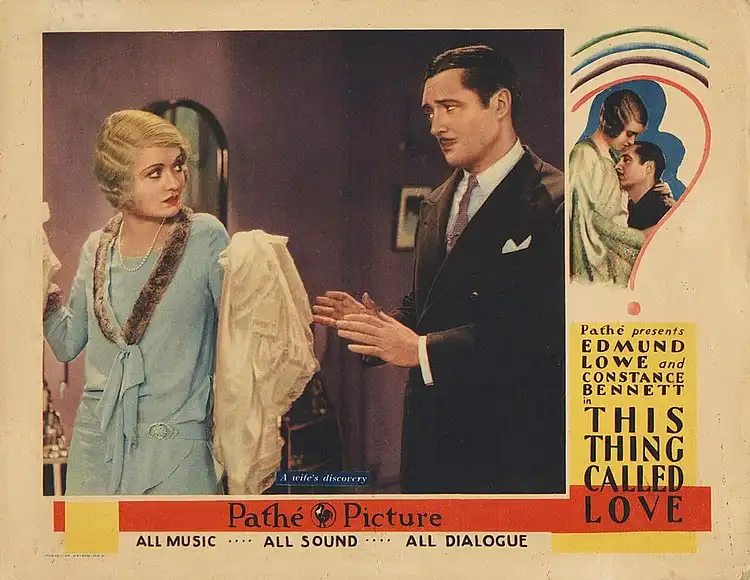
Director's Spotlight: United States
A Deep Dive into the 1929 Vision of Paul L. Stein
The brilliance of This Thing Called Love (1929) is inseparable from a monumental shift in Comedy filmmaking spearheaded by Paul L. Stein. Occupying a unique space between Comedy and pure art, it serves as a blueprint for future generations of Comedy directors.
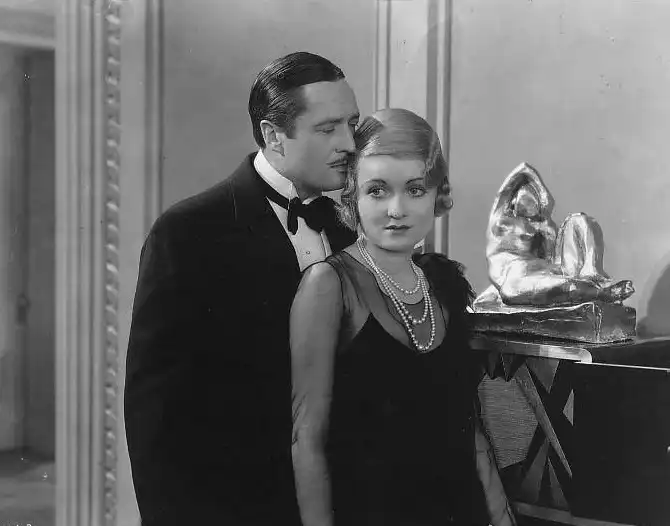
In This Thing Called Love, Paul L. Stein pushes the boundaries of conventional narrative. The film's unique approach to its subject matter has sparked endless debates and interpretations among cinephiles and critics alike.
| Cinematography | Deep Focus |
| Soundtrack | Diegetic |
| Editing | Elliptical |
| Art Direction | Expressionist |
Visualizing the convergence of Paul L. Stein's style and the core Comedy narrative.
Ann Marvin, who is thoroughly disillusioned about marital bliss because of the turbulence in her sister Clara's marriage, meets Robert Collings, a millionaire gold miner, while visiting her brother-in-law Bertrand's law office. Bertrand invites Collings to dinner, and before his arrival, Clara stages a battle royal over Bertrand's buying a dress for Alvarez Guerra, who is also invited to dinner, and the two women ultimately come to blows. When Collings proposes marriage to Ann, she compromises by offering to work as housewife for a salary ($25,000 a year); he accepts, agreeing that each will be free to consort with his own friends. When she remains indifferent to him, Collings arouses her jealousy by flirting with Miss Guerra; she responds by romancing De Witt. The reconciliation of the Bertrands, though, causes the Collingses to realize genuine feelings for each other.
Decades after its release, This Thing Called Love remains a vital piece of the cinematic puzzle. Its influence can be seen in countless modern works, solidifying Paul L. Stein's status as a master of the craft in United States and beyond.