
DbcultAccessing Vault...
Director's Spotlight
Senior Film Conservator
Director's Spotlight: United States
A Deep Dive into the 1916 Vision of Paul Powell
The 1916 release of Acquitted marked a significant moment for the stylistic boundaries pushed by Paul Powell during the production. In the context of United States's rich cinematic history, it invites us to question our own perceptions of cult narratives.
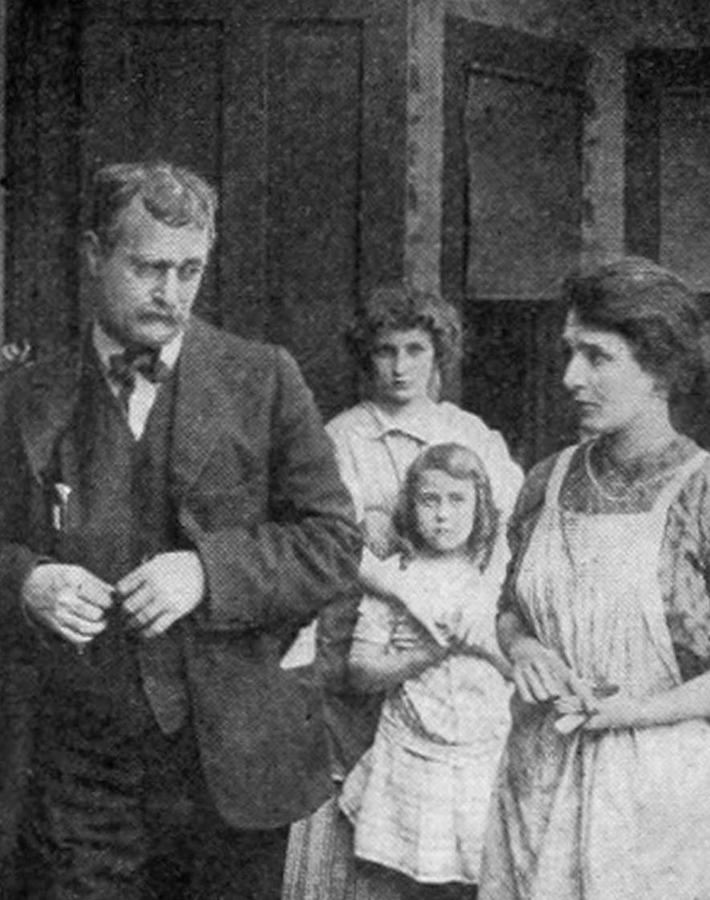
In Acquitted, Paul Powell pushes the boundaries of conventional narrative. The film's unique approach to its subject matter has sparked endless debates and interpretations among cinephiles and critics alike.
| Cinematography | High-Contrast |
| Soundtrack | Orchestral |
| Editing | Slow-Burn |
| Art Direction | Brutalist |
Visualizing the convergence of Paul Powell's style and the core cult narrative.
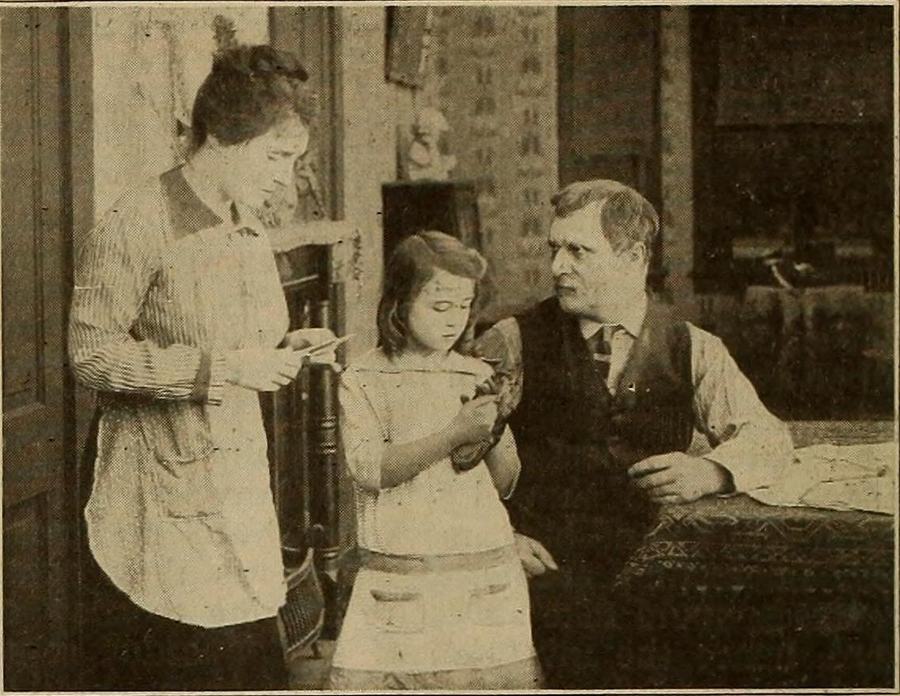
Hard-working insurance-company bookkeeper John Carter comes home on Easter eve to his suburban cottage with a potted lily for his loving wife and two daughters. The Carters live happily until cashier Charles Ryder is murdered by the night watchman, a "coke-sniffer" in need of money, and Carter is accused because he worked with Ryder that evening. During intense third-degree police questioning, Carter acts guilty, but cub reporter Ned Fowler, who loves Carter's daughter Helen, intervenes. After the watchman, arrested for fighting and in need of drugs, confesses, Carter is released, but insurance company president Ira Wolcott will not reinstate him because of his notoriety. During the next year, Carter fails to find work because of his age. As Easter approaches and his life-insurance premium comes due, Carter decides to kill himself in a gas-filled hotel room so that his starving family can collect the insurance money. When Carter's little daughter Nellie strays into Wolcott's yard, Wolcott learns about Carter's plight and rescues him. Carter returns to work, and Helen becomes engaged to Ned.
Decades after its release, Acquitted remains a vital piece of the cinematic puzzle. Its influence can be seen in countless modern works, solidifying Paul Powell's status as a master of the craft in United States and beyond.