
DbcultAccessing Vault...
Director's Spotlight
Senior Film Conservator
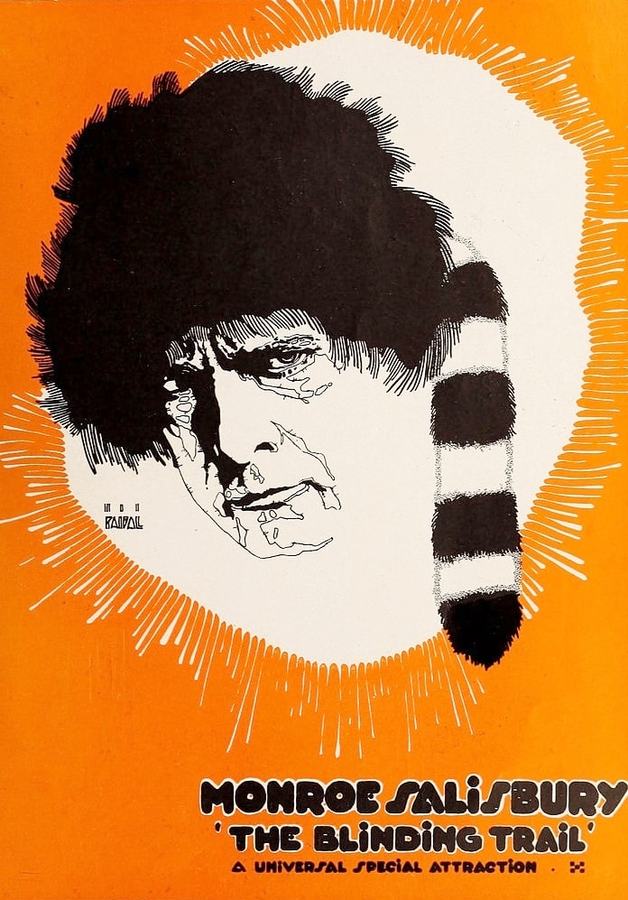
Director's Spotlight: United States
A Deep Dive into the 1919 Vision of Paul Powell
The artistic breakthrough represented by The Blinding Trail in 1919 highlights the uncompromising vision of Paul Powell that defines this cult masterpiece. In the context of United States's rich cinematic history, it captures a specific kind of cinematic magic that is rarely replicated.
In The Blinding Trail, Paul Powell pushes the boundaries of conventional narrative. The film's unique approach to its subject matter has sparked endless debates and interpretations among cinephiles and critics alike.
In this work, Paul Powell explores the intersection of cult and United States cultural identity. The meticulous attention to detail suggests a deep-seated commitment to pushing the boundaries of the medium, ensuring that The Blinding Trail remains a relevant topic of study for cult enthusiasts.
| Cinematography | Handheld |
| Soundtrack | Orchestral |
| Editing | Invisible |
| Art Direction | Kitsch |
Visualizing the convergence of Paul Powell's style and the core cult narrative.
Flighty Helen Halverson decides that she wants to marry Big Jim McKenzie, the boss of the logging camp her father owns, after he is temporarily blinded after he crashes his toboggan into a tree in order to avoid hitting Helen. She convinces her cousin Adele--who is actually also in love with Jim--to get him to propose. Jim's sight returns and he and Helen marry, but on the day their child is to be born, he goes blind again. Frustrated by being married to a blind man, Helen falls in love with his assistant Jean Du Bray. Complications ensue.
Decades after its release, The Blinding Trail remains a vital piece of the cinematic puzzle. Its influence can be seen in countless modern works, solidifying Paul Powell's status as a master of the craft in United States and beyond.