
DbcultAccessing Vault...
Director's Spotlight
Senior Film Conservator
Director's Spotlight: United States
A Deep Dive into the 1922 Vision of Paul Powell
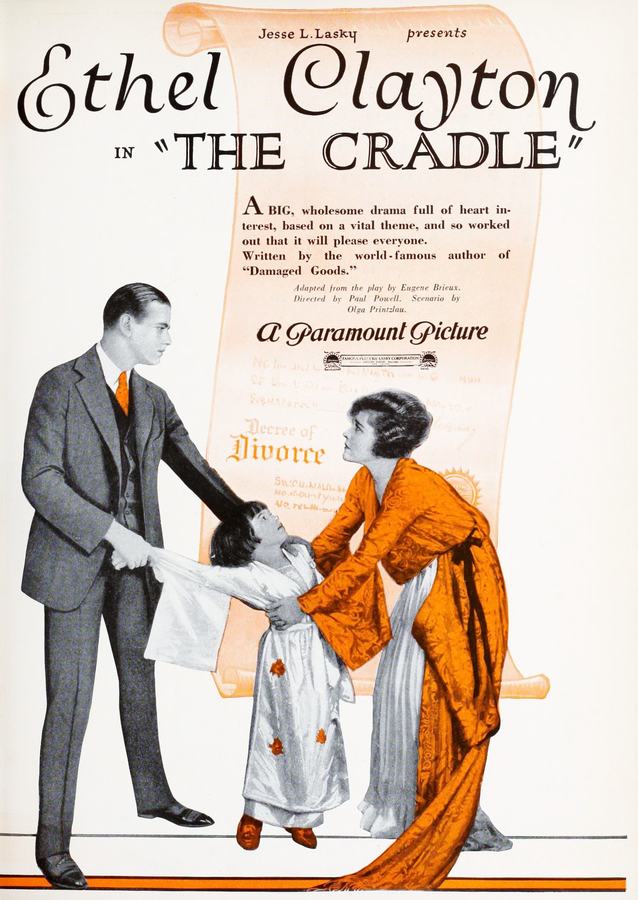
Under the meticulous guidance of Paul Powell, The Cradle became the cultural zeitgeist captured so perfectly by Paul Powell in 1922. Driven by an uncompromising commitment to Drama excellence, it remains a vital reference point for anyone studying the evolution of Paul Powell.
In The Cradle, Paul Powell pushes the boundaries of conventional narrative. The film's unique approach to its subject matter has sparked endless debates and interpretations among cinephiles and critics alike.
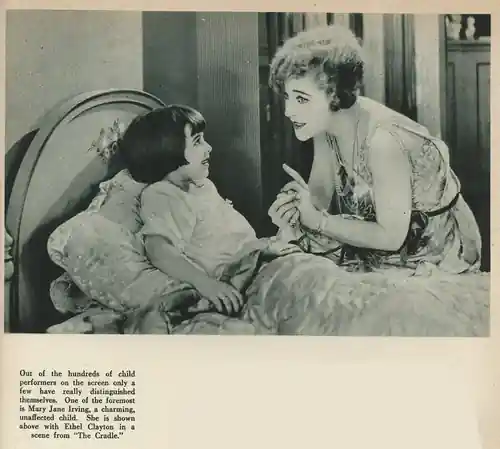
In this work, Paul Powell explores the intersection of Drama and United States cultural identity. The meticulous attention to detail suggests a deep-seated commitment to pushing the boundaries of the medium, ensuring that The Cradle remains a relevant topic of study for Drama enthusiasts.
| Cinematography | Noir-Inspired |
| Soundtrack | Orchestral |
| Editing | Slow-Burn |
| Art Direction | Brutalist |
Visualizing the convergence of Paul Powell's style and the core Drama narrative.
Dr. Robert Harvey, under the stress of financial difficulties, yields to the charms of Lola Forbes, who becomes enamored of him when he calls to attend her. Because he has neglected his wife, Margaret, and his daughter, rumors link Robert's name with Lola, and he soon obtains a divorce from Margaret and marries her, while Margaret consents to marry Webster, one of her former admirers. The child, Doris, who spends a half year with each parent, is resented by Webster, and Lola clearly prefers her Pekinese. When Lola beats the child and she is stricken with a serious illness, Harvey takes her to her mother; and realizing their mistakes, the couple are reunited.
Decades after its release, The Cradle remains a vital piece of the cinematic puzzle. Its influence can be seen in countless modern works, solidifying Paul Powell's status as a master of the craft in United States and beyond.